

Marjane Satrapi Muore a 56 Anni: Addio all’Autrice di Persepolis
Marjane Satrapi, the visionary artist and author who captured the global imagination with her seminal work Persepolis, has died at the age of 56. Her passing follows a period of declining health, with close associates noting that she had struggled profoundly since the death of her husband, Mattias Ripa, in April 2025.
Confirming the news, representatives stated that Satrapi passed away while receiving care in a Munich clinic, where she had been hospitalized for approximately two months. Her death marks the end of an era for a storyteller who transformed the harsh realities of her Iranian childhood into a universal narrative of resilience and political struggle.
A Voice for Dissent and Human Rights
Born in Racht, Iran, Satrapi rose to international prominence through her graphic novels and the subsequent film adaptation of Persepolis. Her work served as a stark, monochromatic window into the repression of the Iranian regime, detailing the daily lives of citizens under the shadow of the mollahs, arrests, and summary executions.
Beyond her artistic achievements, Satrapi was a vocal advocate for democratic freedoms. In early 2025, she made headlines by rejecting the Legion of honour, citing the “hypocritical attitude” of France regarding Iran. She framed the rejection as an act of solidarity with young Iranians and dissidents, criticizing the disparity between the treatment of ordinary Iranian citizens seeking visas and the freedom enjoyed by the children of Iranian oligarchs in Europe.
The Legacy of a Cultural Icon
French President Emmanuel Macron paid tribute to Satrapi, describing her as a “great artist” who possessed a unique ability to blend irony, tenderness, and personal demons into a moving, universal fable. Her influence extended far beyond the page, consistently sparking debate on the intersection of culture, religion, and politics.
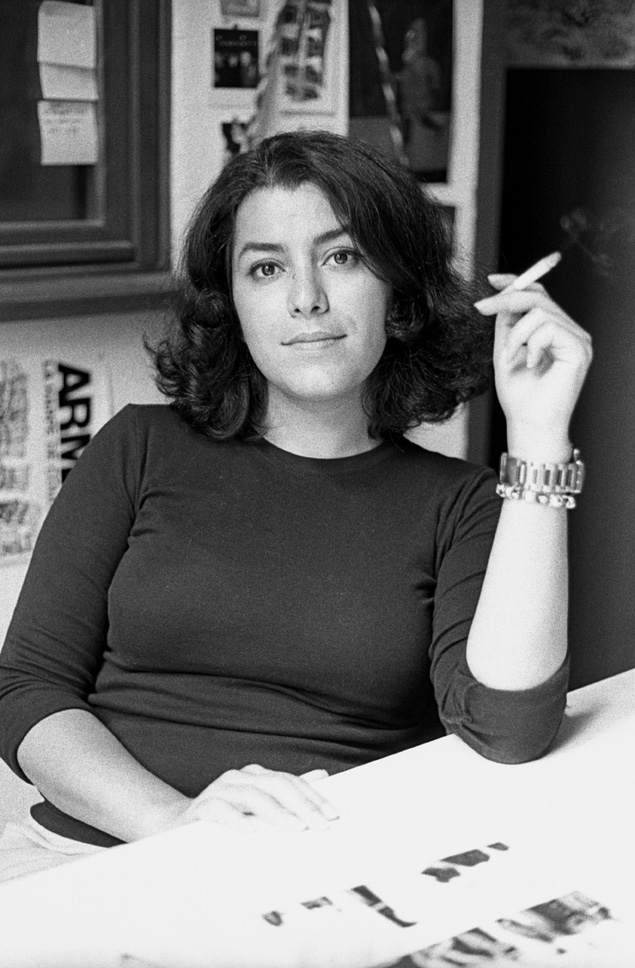
While her work was celebrated globally, it also faced significant opposition. The film Persepolis was famously labelled “anti-Iranian” by the government of Mahmoud Ahmadinejad and was banned in Lebanon under pressure from Hezbollah. More recently, in early 2026, the broadcast of her film on France 4 triggered social media criticism, demonstrating that her work remains as provocative today as it was upon its debut.
Looking Ahead: The Persistence of Her Influence
As the cultural world processes the loss of such a significant creative force, it is likely that academic and critical interest in her body of work will only intensify. Analysts suggest that her graphic novels, particularly Persepolis and Chicken with Plums, will continue to serve as essential primary texts for understanding the social and political history of modern Iran.
her public stance on political engagement and artistic integrity may influence how future generations of exiled artists navigate their relationship with both their countries of origin and their host nations. The discourse she ignited, particularly concerning the rights of Iranian women and the definition of emancipation, is expected to remain a touchstone in ongoing debates about global human rights.
Frequently Asked Questions
What was the primary reason for Marjane Satrapi’s rejection of the Legion of honour?
Satrapi rejected the award in 2025 to protest what she described as France’s hypocritical stance toward Iran, specifically regarding the denial of visas to Iranian dissidents and artists while allowing children of Iranian oligarchs to travel freely.
What were the main themes in Satrapi’s most famous work, Persepolis?
The work centers on her childhood in Iran, detailing the reality of life under the regime of the mollahs, including the repression of citizens, the influence of the moral police, and her eventual move to Europe to escape these conditions.
How did Satrapi characterize her connection to her two home countries?
In a 2023 interview, she described herself as having two homelands: France, the home of human rights, and Iran, her birthplace where she remained deeply invested in the struggle for democracy.
How do you think Satrapi’s work will be viewed by future generations in the context of global political movements?