
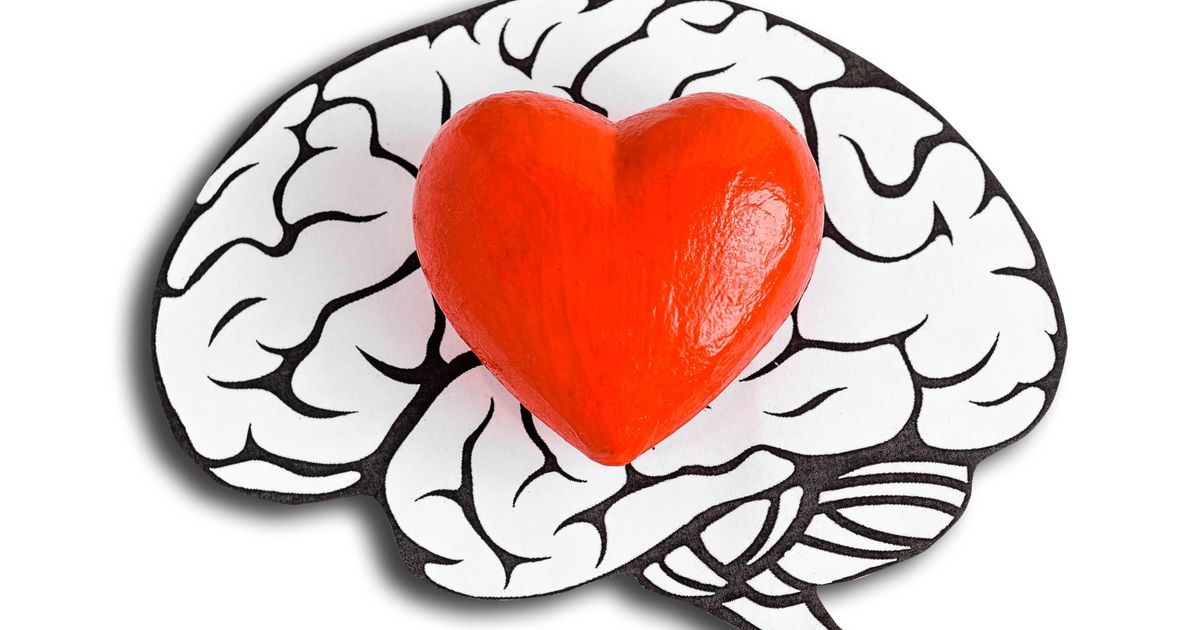
How Heart Attacks Trigger Brain Inflammation, Depression, and Dementia
Survivors of a heart attack often believe the most critical danger has passed once they leave the hospital. However, new research suggests a second, silent crisis may be unfolding within the brain, potentially leading to depression, memory loss, and dementia.
Researchers from the University of Ottawa have identified a biological link between cardiac damage and neuropsychological decline. The study reveals that a heart attack can trigger a wave of inflammation in the brain, driven by a toxic substance released into the bloodstream.
The Biological Trigger: Methylglyoxal
The study found that after a heart attack, a substance called methylglyoxal (MG) peaks in the blood. MG is an aggressive byproduct of energy metabolism that becomes toxic when the body’s cleanup systems are overwhelmed.
Within hours of the cardiac event, these toxic MG-derived compounds leak through a weakened blood-brain barrier. They primarily accumulate in the brainstem and the cerebral cortex, areas essential for regulating mood and memory.
Once inside the brain, these compounds irritate defence cells, creating a state of chronic, simmering inflammation. This biological reaction is closely linked to the development of anxiety, depression, and cognitive deterioration.
A Silent Epidemic of Cognitive Decline
The connection between heart disease and mental health is not new, but the biological mechanism is now becoming clearer. Patients suffering from both heart disease and depression are more than three times as likely to be diagnosed with dementia compared to those without this combination.
The research also highlights significant differences based on sex. In mouse models, males exhibited higher MG accumulation, more severe inflammatory responses, and greater disruption of the blood-brain barrier than females.
Scientists suggest that female hormones may provide a level of protection against these specific toxic effects, though the heart-brain trajectory remains a risk for all survivors.
The Path Toward Integrated Recovery
Because a heart attack can initiate a slow deregulation of brain function, the medical approach may need to evolve. Experts suggest that survivors should be monitored for changes in memory, mood, and concentration during the first weeks and months of recovery.
Currently, researchers are experimenting with “molecular sponges”—experimental peptides designed to capture MG and protect brain cells. While this technology is still in its early stages, it represents a possible next step in preventing post-infarct cognitive decline.
Until such treatments are available, the most effective strategy is early recognition. Identifying signs of forgetfulness, sadness, or personality changes allows for a coordinated effort between cardiologists, neurologists, and psychiatrists.
Frequently Asked Questions
What is methylglyoxal (MG)?
MG is an aggressive byproduct of the body’s energy metabolism. If the body’s cleanup system is overloaded, it acts as a toxin that can damage blood vessels and nerve cells.
How does a heart attack affect the brain?
A heart attack can cause MG levels to peak in the blood and leak through a weakened blood-brain barrier. This triggers chronic inflammation in brain regions responsible for memory and mood.
What are the long-term mental health risks after a heart attack?
Patients may face a higher risk of depression and anxiety. Those with both heart disease and depression may be more than three times more likely to develop dementia.
Do you believe mental health screenings should become a standard part of cardiac recovery protocols?