
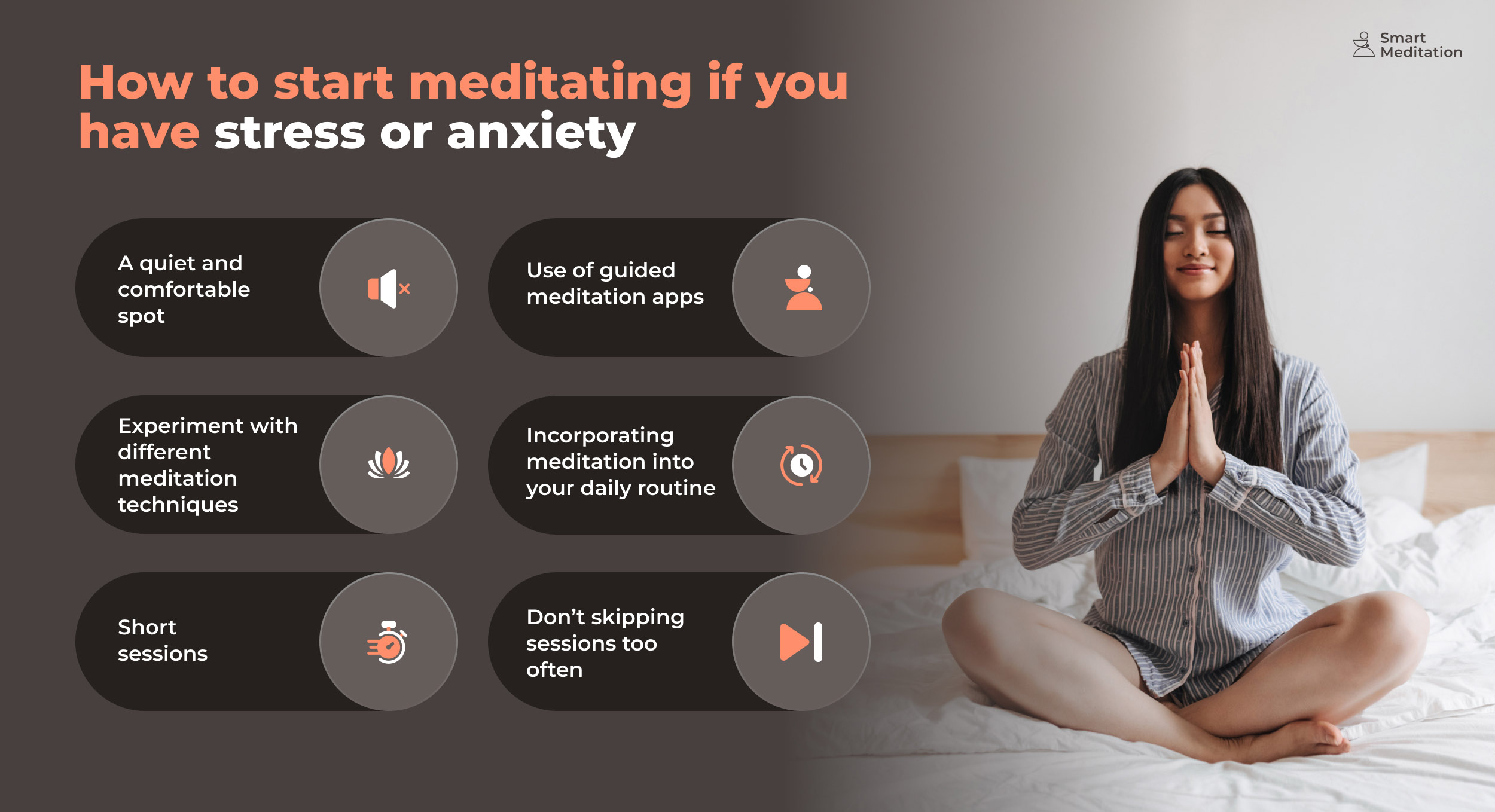
Meditation for Anxiety and Stress: A Supportive Tool, Not a Replacement
Meditation can serve as a support tool to reduce anxiety and stress but should not replace conventional medical treatments, according to experts from the Fnomceo platform “Dottore, ma è vero che…?” The practice may improve quality of life when used alongside prescribed therapies under the supervision of a medical professional.
These findings were highlighted by the National Federation of Orders of Doctors, Surgeons and Dentists (Fnomceo) in conjunction with International Yoga Day on June 21. Specialists emphasized that while meditation can accompany conventional treatments, it is not a substitute for them.
Medical experts recommend that individuals suffering from anxiety first consult their general practitioner. A doctor can evaluate the situation, rule out physical causes, and direct the patient toward psychotherapy, medication, structured meditation, or a combination of these paths.
Can meditation replace prescribed medication for anxiety?
No, research does not suggest that meditation can replace medication. According to Fnomceo specialists, meditation does not work for everyone and cannot substitute a doctor’s prescribed treatment in every case.
The most promising results are linked to moderate forms of anxiety. For more severe disorders, specialists state that evidence supporting the use of meditation alone remains insufficient.
What are the potential risks of structured meditation?
While generally safe, meditation carries specific risks. A systematic review published in Acta Psychiatrica Scandinavica estimated that approximately 8% of people who meditate may experience adverse effects.
These effects include anxiety, depressive symptoms, and cognitive anomalies such as disorientation or difficulty thinking. Doctors note these reactions can occur even in individuals with no prior history of mental disorders.
Why are mindfulness treatments underutilized?
A Consensus Conference sponsored by the Superior Institute of Health found that effective psychological treatments for anxiety, including mindfulness-based approaches, are often underutilized in Italy. This trend is attributed partly to difficulties in accessing these services.
The conference noted that similar supportive reasoning applies to the use of yoga within oncological care. Because of the risks and the discipline required, experts advise starting any structured practice with a qualified professional and in agreement with a specialist.
What may happen next for patients seeking these therapies?
Patients may see a higher emphasis on integrated care plans where general practitioners act as the primary gatekeepers. This could lead to more structured combinations of psychotherapy and mindfulness for those with moderate anxiety.
Given the reported access issues in Italy, there may be a push for better integration of mindfulness-based stress reduction into standard healthcare pathways to reduce underutilization.
Frequently Asked Questions
Can I stop taking my anxiety medication if I start meditating?
No. According to Fnomceo specialists, research does not suggest that meditation can replace prescribed medical treatments.
Who should I talk to before starting a meditation program?
You should first speak with your general practitioner to evaluate your situation, exclude physical causes, and determine the most suitable path.
What are the side effects associated with meditation?
According to a review in Acta Psychiatrica Scandinavica, about 8% of practitioners may experience adverse effects, including depressive symptoms, anxiety, or cognitive anomalies like disorientation.
Have you ever discussed integrating mindfulness or meditation into your healthcare plan with a doctor?