

Miami Center for Mental Health and Recovery: A New Era for Mental Health Diversion in Miami-Dade
The Miami-Dade Board of County Commissioners will vote Tuesday, June 16, on the operating plan for the Miami Center for Mental Health and Recovery. Located at 2200 NW 7th Avenue, the facility intends to treat individuals with serious mental illness as an alternative to incarceration, utilizing funding derived from opioid settlements.
Why is the Miami Center for Mental Health and Recovery opening?
The center aims to stop the practice of using the county jail as the community’s largest psychiatric facility. According to the project’s sponsor, this shift is designed to reduce the cost to taxpayers by offering treatment instead of incarceration.

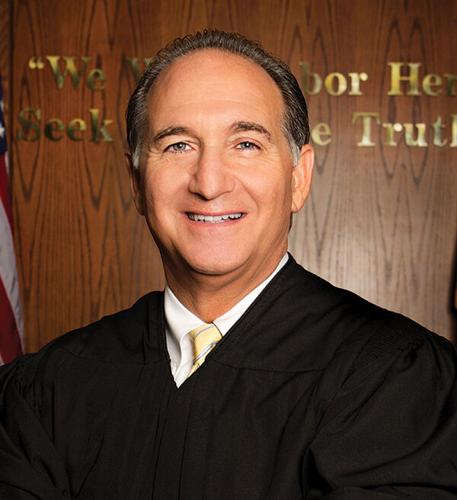
The project began over 20 years ago through the advocacy of Judge Steve Leifman. In November 2004, voters approved $22.1 million in general obligation bonds to create a mental health diversion facility.
Total capital investment in the building reached approximately $51.1 million over several years. In 2007, the Florida Legislature leased the property to the County for one dollar a year for a 99-year term.
How will the center operate and who provides care?
The first phase of the center will open with 147 beds. It will provide detoxification, crisis stabilization, primary care, transitional housing, and both short-term and longer-term residential treatment.

WestCare, a behavioral health provider in South Florida since 1973, will handle core clinical services. The Advocate Program will manage wraparound services, while the Homeless Trust and the County’s New Direction program will complete the care continuum.
How is the facility being funded?
Operational funding relies heavily on opioid settlement dollars. These funds are projected to exceed $77 million over 18 years, with roughly $47 million dedicated specifically to the center’s operations.
The sponsor stated that funding for the first three years of operations has already been identified. A new County policy will also ensure that these funds supplement, rather than replace, existing core County services.
What accountability measures are included in the plan?
The operating plan includes several oversight mechanisms. Jackson Health System or its designee will conduct independent biannual reviews of clinical service delivery and operations.
The plan also requires a centralized recordkeeping system to monitor outcomes and a biannual operational report. Additionally, the County will issue a Request for Proposals for outpatient treatment services to be located on the seventh floor.
Administrative and operational adjustments must be reported to the Behavioral Health Advisory Board. The County also intends to evaluate how individuals experiencing homelessness use the center, which may lead to a renegotiation of Homeless Trust funding.
What happens next?
If the Board of County Commissioners approves the operating plan on June 16, the center could move toward opening its doors to the public. The facility may then begin diverting individuals with serious mental illness from the jail system into clinical care.
Future adjustments to funding may occur if the evaluation of homelessness utilization suggests a need to restructure the agreement with the Homeless Trust.
Frequently Asked Questions
Where is the Miami Center for Mental Health and Recovery located?
The center is located at 2200 NW 7th Avenue.
How many beds will be available in the first phase?
The center will open with 147 beds.
Which organization is providing the core clinical services?
WestCare, a behavioral health provider serving South Florida since 1973, will deliver the core clinical services.
Do you believe diverting mental health patients from jails to specialized centers is the most effective way to manage public health crises?