

Molotov Cocktail Attack Targets Police Forensic Investigation Building
The Evolution of Institutional Vulnerability: Why Law Enforcement is Under Fire
The recent attack on a forensic investigation department and police station—using a low-tech but high-impact Molotov cocktail—is not an isolated incident. It reflects a global trend where state institutions, particularly those tasked with justice and forensics, are becoming primary targets for symbolic and physical violence.
When attackers target a Forensic Investigation (FO) unit, they aren’t just attacking a building; they are attacking the very mechanism of truth and evidence. This shift indicates a move toward “institutional intimidation,” where the goal is to disrupt the judicial process before it even reaches a courtroom.
From Molotovs to Hybrid Threats: The Future of Urban Unrest
While the use of firebombs is a classic tactic, the future of attacks on government infrastructure is moving toward a “hybrid” model. We are seeing a convergence of low-tech physical violence and high-tech disruption.
Future trends suggest that physical attacks will increasingly be coordinated via encrypted messaging apps in real-time, allowing perpetrators to strike multiple targets simultaneously to stretch police resources thin. This is often referred to as “swarm tactics,” a method seen in various civil disturbances across Europe and North America in recent years.
The Rise of “Symmetric” Low-Tech Attacks
As police departments implement more advanced surveillance—such as facial recognition and AI-driven CCTV—attackers are reverting to “analog” methods. Simple incendiary devices are harder to track via digital footprints than cyber-attacks, making them a preferred tool for those wishing to remain anonymous.
According to reports from Interpol, the challenge for modern policing is no longer just fighting organized crime, but managing spontaneous, decentralized aggression against state symbols.
Hardening the Infrastructure: The “Fortress” Trend
In response to these threats, we are seeing a global shift in how police stations and forensic labs are designed. The era of the “open-door” community police station is giving way to “hardened” architecture.
Expect to see an increase in the following architectural trends:
- Impact-Resistant Glazing: Replacing standard glass with polycarbonate or reinforced laminates that can withstand thermal shock and physical impact.
- Anti-Climb and Anti-Projectile Perimeters: The integration of aesthetic landscaping that doubles as a physical barrier to prevent projectiles from reaching building facades.
- Automated Fire Suppression: Advanced systems that can detect and extinguish chemical fires (like diesel-based incendiaries) before they penetrate the building’s interior.
The Next Frontier in Forensic Response
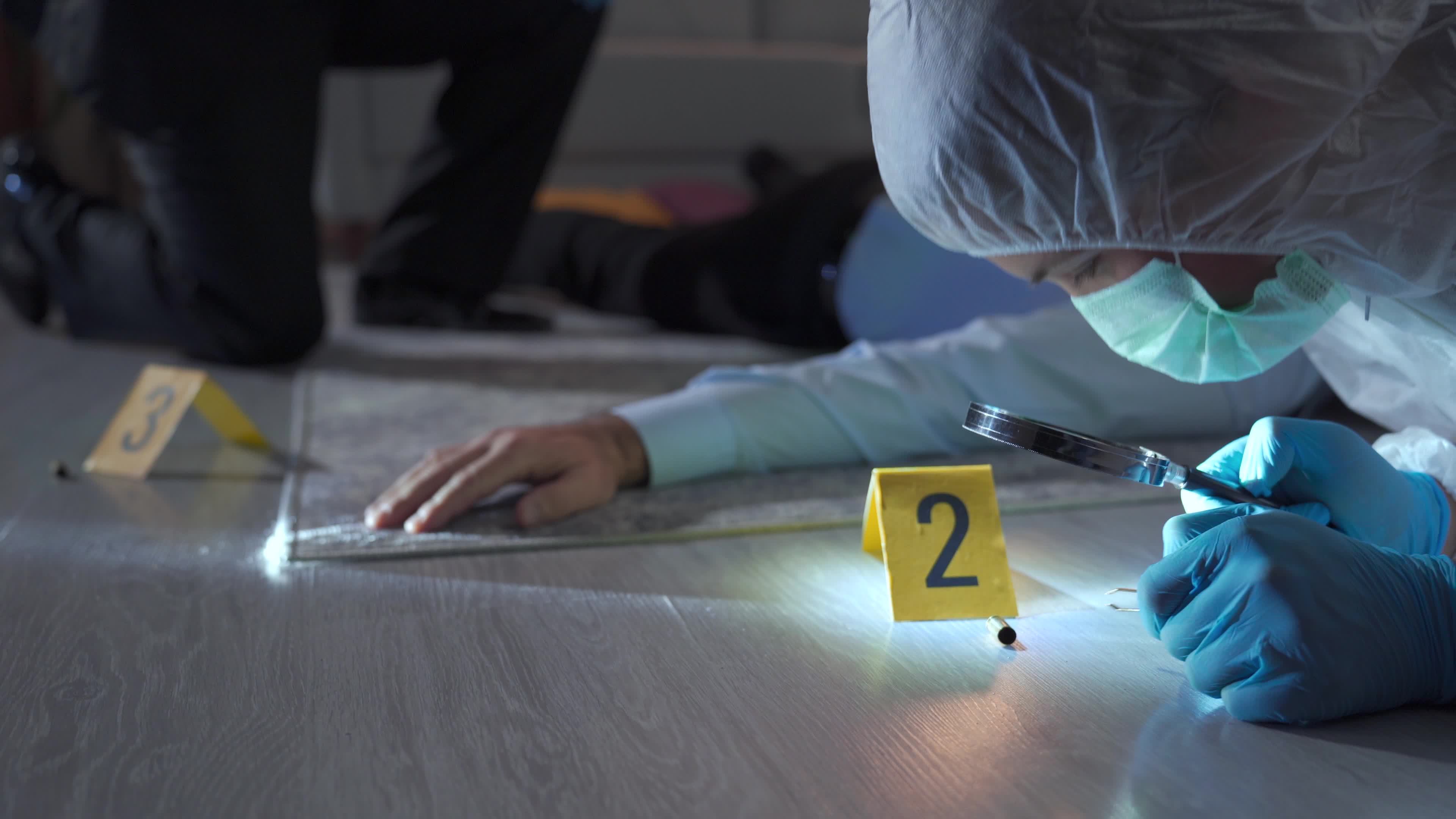
When a forensic unit is the target, the investigation takes on a meta-layer: the experts must use their own tools to investigate an attack on their own house. This is driving a revolution in “Rapid Response Forensics.”
The future of investigating such attacks lies in Chemical Fingerprinting. By analysing the specific composition of the accelerant used (the “cocktail” mix), investigators can often trace the fuel back to specific batches or suppliers, narrowing down the suspect pool significantly.
the integration of AI-driven video analytics allows investigators to backtrack a perpetrator’s movements across an entire city grid in minutes, rather than days, by identifying clothing patterns and gait analysis.
FAQ: Understanding Institutional Security Threats
Why are forensic departments targeted specifically?
Forensic units hold the evidence that convicts criminals. Targeting these facilities is often an attempt to intimidate witnesses, destroy evidence, or send a message of defiance to the legal system.
How effective are Molotov cocktails against modern buildings?
While they rarely cause total structural collapse, they are highly effective at causing panic, creating smoke damage, and forcing evacuations, which disrupts government operations.
Can AI prevent these kinds of attacks?
AI cannot stop a person from throwing a bottle, but it can identify “pre-incident indicators”—such as unusual loitering or the gathering of materials—allowing security to intervene before the attack occurs.
Join the Conversation
Do you think “hardening” police stations makes them feel less accessible to the community, or is it a necessary evil in the modern age?
Share your thoughts in the comments below or subscribe to our newsletter for more deep dives into global security trends.