

NASA reverses evacuation alert for astronauts aboard International Space Station
The Aging Orbit: What the ISS Air Leaks Reveal About the Future of Space Habitats
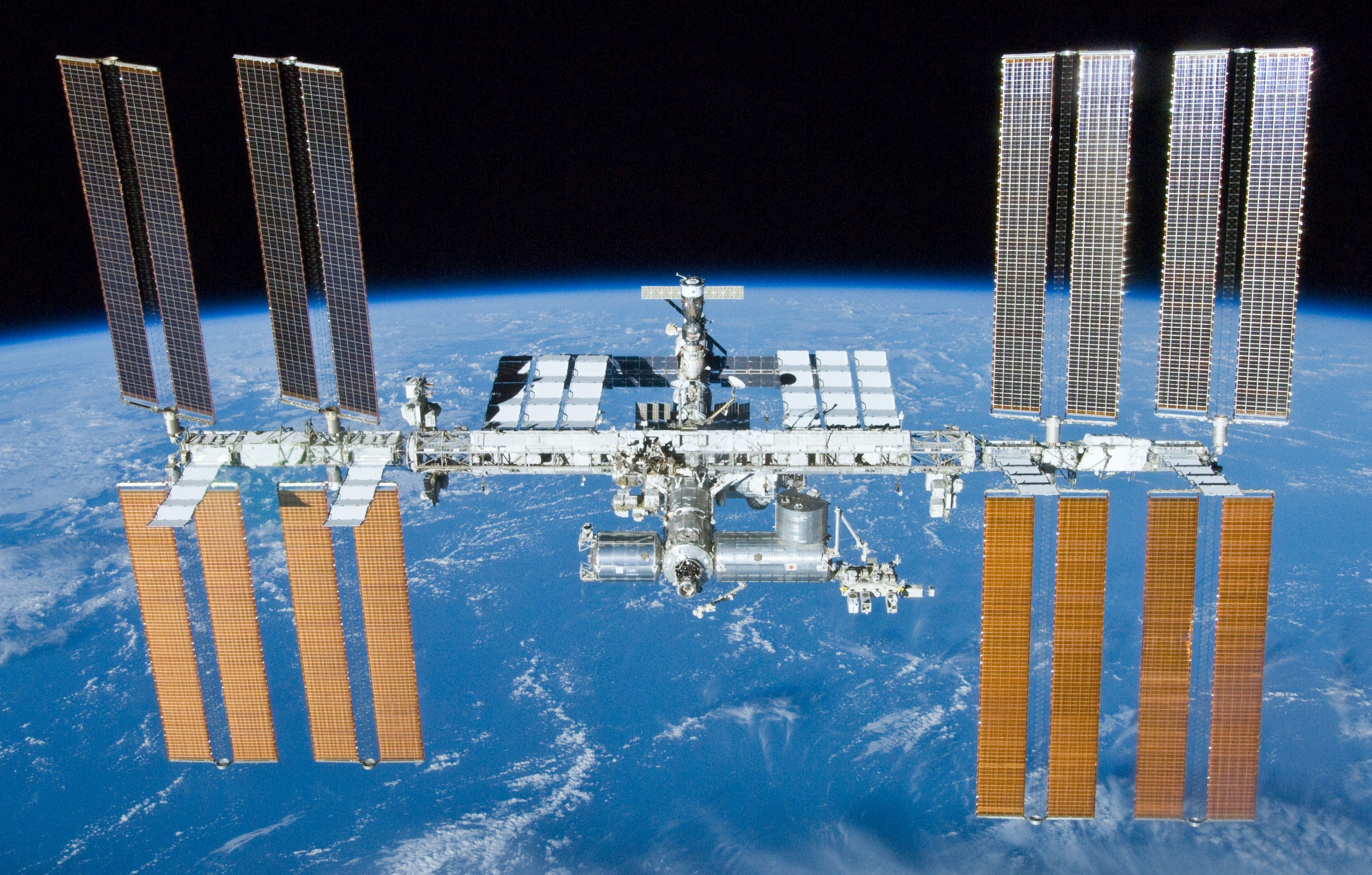
The recent emergency “safe-haven” order aboard the International Space Station (ISS) served as a stark reminder of a reality we often overlook: the ISS is an aging piece of infrastructure. When a “pesky” air leak in the Russian Zvezda module suddenly doubles in rate, it isn’t just a technical glitch—it’s a symptom of orbital fatigue.
For nearly three decades, the ISS has been the pinnacle of human cooperation. But as we see disagreements arise between NASA and Roscosmos over repair methods—such as the controversial proposal to use a saw to access a crack—it becomes clear that the era of the monolithic, government-run orbital laboratory is drawing to a close.
The Shift Toward Commercial Orbital Outposts
The current instability of the ISS is accelerating a pivot toward commercial space stations. We are moving away from the “one big station” model and toward a decentralized network of private habitats. Companies like Axiom Space and Blue Origin (with its Orbital Reef project) are designing modules that aren’t just replacements, but upgrades.
Unlike the ISS, which was patched together over decades, these new stations are being built with modularity as a core principle. If a module develops a critical leak or becomes obsolete, it can be detached and replaced without compromising the entire station’s viability.
Why Commercial Stations are the Future
- Rapid Iteration: Private companies can update hardware every few years, whereas government projects often face decade-long procurement cycles.
- Economic Diversification: Future stations will host pharmaceutical labs, space tourism hubs, and manufacturing plants for semiconductors that can only be made in microgravity.
- Reduced Geopolitical Friction: While the ISS relied on a fragile US-Russia partnership, commercial stations can host a more diverse array of international partners.
Next-Gen Materials: The End of the “Patch and Pray” Era
The struggle to fix the Zvezda leak highlights the limitations of current repair protocols. In the future, we won’t be relying on astronauts with saws or manual patches. The trend is moving toward autonomous self-healing materials.

Researchers are currently developing polymers and composites that can automatically seal punctures. Imagine a hull that reacts to a pressure drop by triggering a chemical reaction that hardens instantly, sealing a leak before the crew even realizes there is a problem.
the integration of 3D printing in orbit allows for the creation of custom-fitted repair parts on demand. Instead of waiting for a resupply mission from Earth, crews can print a precision-engineered seal based on a digital scan of the damage.
The Geopolitical Chessboard in Low Earth Orbit (LEO)
The air leak incident also underscores the tension between NASA and Roscosmos. As the ISS nears its planned retirement (potentially extended to 2032), the “divorce” between the two primary operators is becoming more apparent. This vacuum is being filled by China’s Tiangong space station, which is newer, more efficient, and entirely independent.
The trend is clear: space is becoming multipolar. We are transitioning from a period of “International Cooperation” to one of “Strategic Competition.” This will likely lead to a surge in funding for orbital infrastructure as nations race to ensure they have a permanent, reliable presence in LEO to protect their interests and research.
Comparative Analysis: ISS vs. Future Habitats
| Feature | ISS (Current) | Future Commercial Stations |
|---|---|---|
| Structure | Fixed, aging modules | Plug-and-play modularity |
| Maintenance | Manual/Reactive | AI-monitored/Self-healing |
| Funding | Government Taxpayer | Mixed Public-Private Venture |
Frequently Asked Questions
Q: How dangerous is an air leak on the ISS?
A: While small leaks are common and managed, a sudden increase in the leak rate can deplete the oxygen supply faster than it can be replenished, necessitating evacuation to “lifeboats” like the Crew Dragon.
Q: What is a “safe-haven” procedure?
A: It is an emergency protocol where astronauts retreat to their docked spacecraft. This ensures that if the station becomes uninhabitable, they are already in their escape vehicle with the hatch closed, ready for immediate departure.
Q: When will the ISS actually be decommissioned?
A: While the date fluctuates, current discussions suggest a transition toward 2030-2032, after which it will likely be steered into a controlled reentry over the Pacific Ocean.
Join the Conversation
Do you think the future of space exploration should be led by governments or private corporations? Would you trust a commercial space station over a government-run one?
Share your thoughts in the comments below or subscribe to our Space Tech newsletter for weekly updates on the final frontier!