
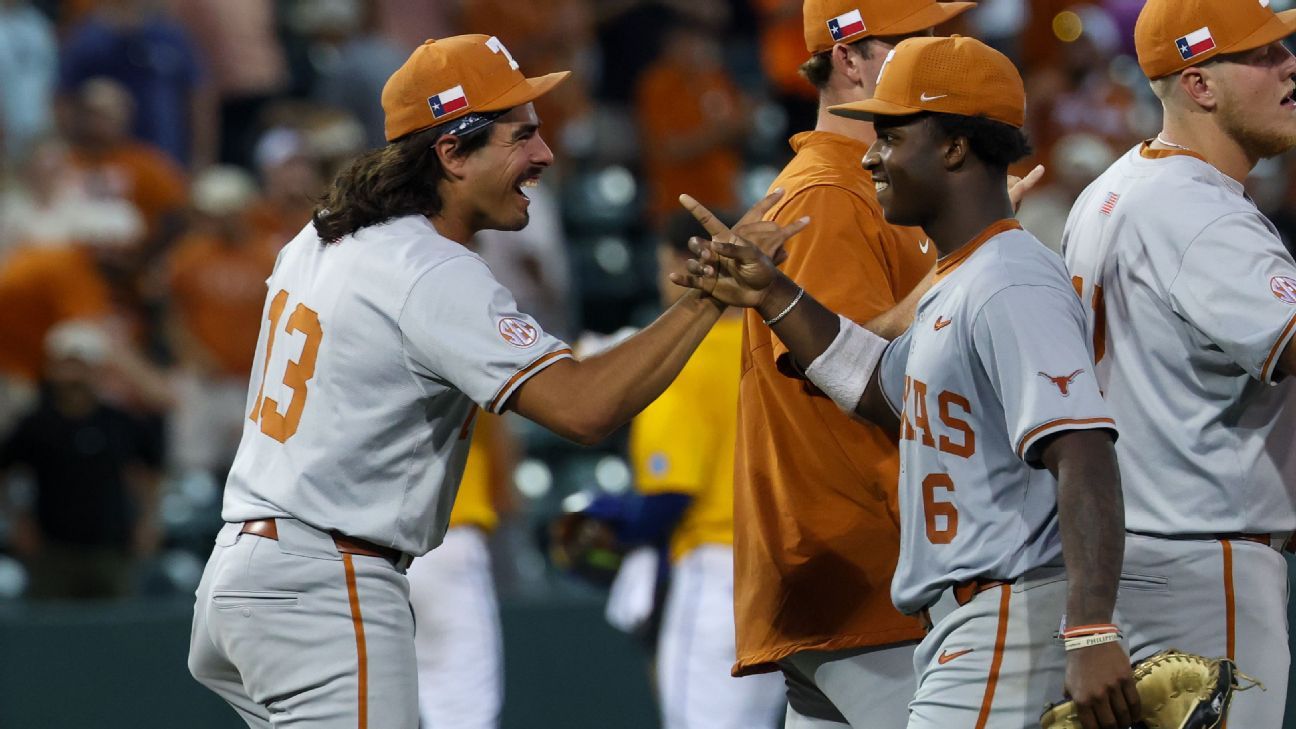
NCAA Baseball Super Regionals: 10 Things to Know, Storylines, and Top Prospects
The NCAA baseball tournament has moved past the opening regional round, leaving behind a field defined by volatility rather than traditional dominance. With seven of the original top 16 national seeds eliminated—including No. 1 UCLA and No. 2 Georgia Tech—the remaining teams have transitioned into what is effectively a “Survival 16.”
The super regionals, beginning this Friday, represent a high-stakes gauntlet. Eight teams will emerge from these matchups to secure their place in the Men’s College World Series in Omaha, Nebraska.
Did You Know? The Big Ten’s last Men’s College World Series title was won in 1966 by Ohio State, led by pitcher Steve Arlin, who started five of the Buckeyes’ six games and earned Most Outstanding Player honors.
The Conference Landscape
The SEC remains a central force, despite the absence of the defending national champions and the early exit of LSU. Seven SEC teams remain in the hunt, ensuring at least two will advance to Omaha due to internal series matchups between Georgia and Mississippi State and Auburn and Ole Miss.
The ACC, while historically significant, finds itself down to a single representative: the North Carolina Tar Heels. The Tar Heels are currently looking to move past the memory of back-to-back losses to Oregon State in the 2006 and 2007 finals.
Expert Insight: The thinning of the top national seeds suggests that the path to Omaha is increasingly unpredictable. With perennial powers like USC and Oregon representing the Big Ten, the traditional geographic boundaries of college baseball dominance are shifting, potentially altering the competitive balance for future seasons.
Underdogs and Prospects
programmes such as Cal Poly, St. John’s, and Little Rock are positioned as potential spoilers in this year’s bracket. Little Rock, in particular, is making only its third NCAA postseason appearance in program history.
Scouts and analysts are closely monitoring top prospects during this weekend’s action, including Alabama shortstop Justin Lebron, Mississippi State third baseman Ace Reese, and Texas centre fielder Aiden Robbins. These players are expected to be key figures as teams vie for their respective spots in the final eight.
Looking Ahead
The upcoming four-day series will determine which programmes maintain their momentum and which fall short of the national stage. Given the current trajectory of the tournament, a new, non-traditional champion could emerge from the remaining field, or that a legendary program could finally break a long-standing drought in Nebraska.

The intensity of the atmosphere at sites like Morgantown, Lawrence, and Troy may serve as a significant factor for the teams involved. As the tournament progresses, the reliance on deep pitching rotations and the ability to handle the pressure of the super regional environment will likely dictate the outcome of these series.
Frequently Asked Questions
Which conference has the most teams remaining in the super regionals? The SEC has seven teams participating in the super regionals, setting a new record for the conference.
What is the current status of the No. 1 national seed? The No. 1 national seed, UCLA, was eliminated during the opening regional round.
Have the Little Rock Trojans ever reached the Men’s College World Series? No, Little Rock has never reached the Men’s College World Series and is currently making only its third NCAA postseason appearance in program history.
Which of these remaining programmes do you believe has the best chance to pull off a tournament upset?