
Nutritionists Swear by These Freezer Staples-They Help Families Live Longer
Frozen fruits, vegetables, and proteins offer a nutrient-dense foundation for home cooking that rivals fresh produce, according to registered dietitians. While many consumers view freezing as a negative processing method, experts explain that it is simply a temperature change that preserves food at peak ripeness, potentially offering higher nutritional value than fresh items that have traveled long distances.
Why Frozen Produce Is a Nutritional Staple
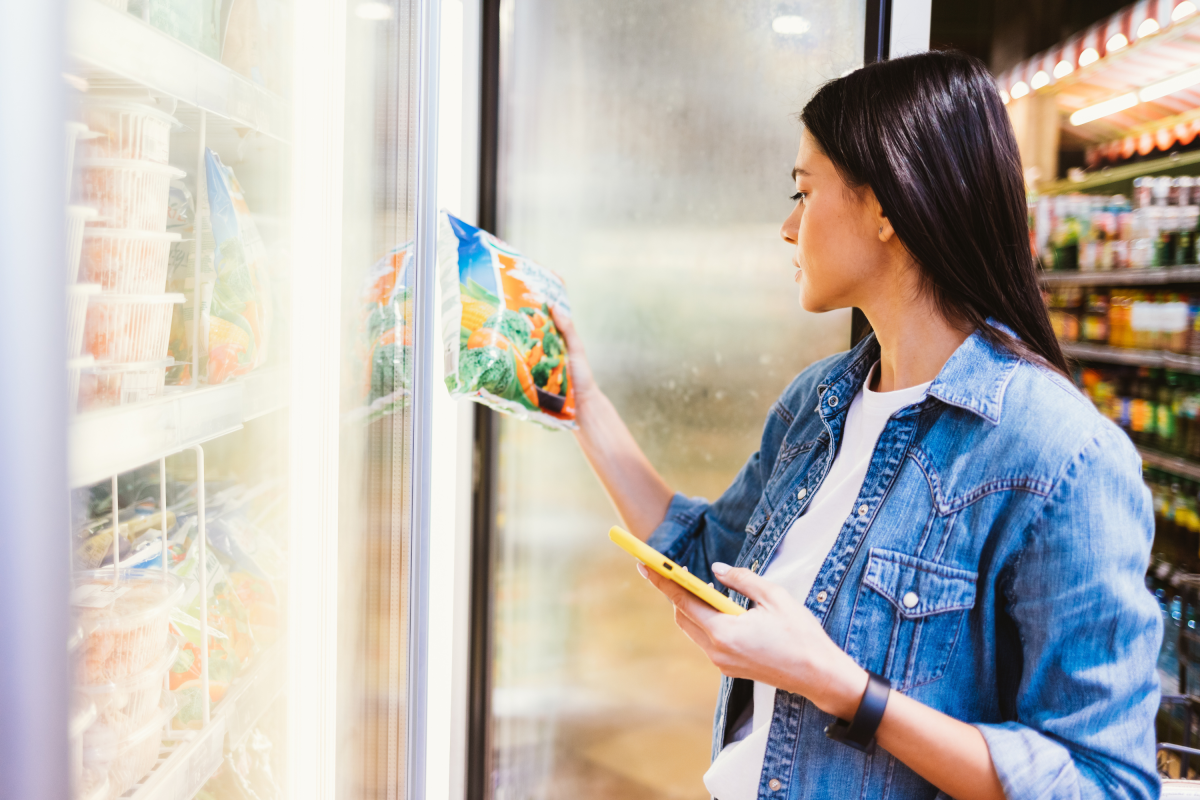
Frozen produce is often as nutritious, if not more so, than fresh alternatives because it is picked at peak ripeness and flash-frozen, according to Sarah Schlichter, a registered dietitian with a Master’s in Public Health. This process locks in nutrients that can otherwise degrade in fresh produce during transit or storage.
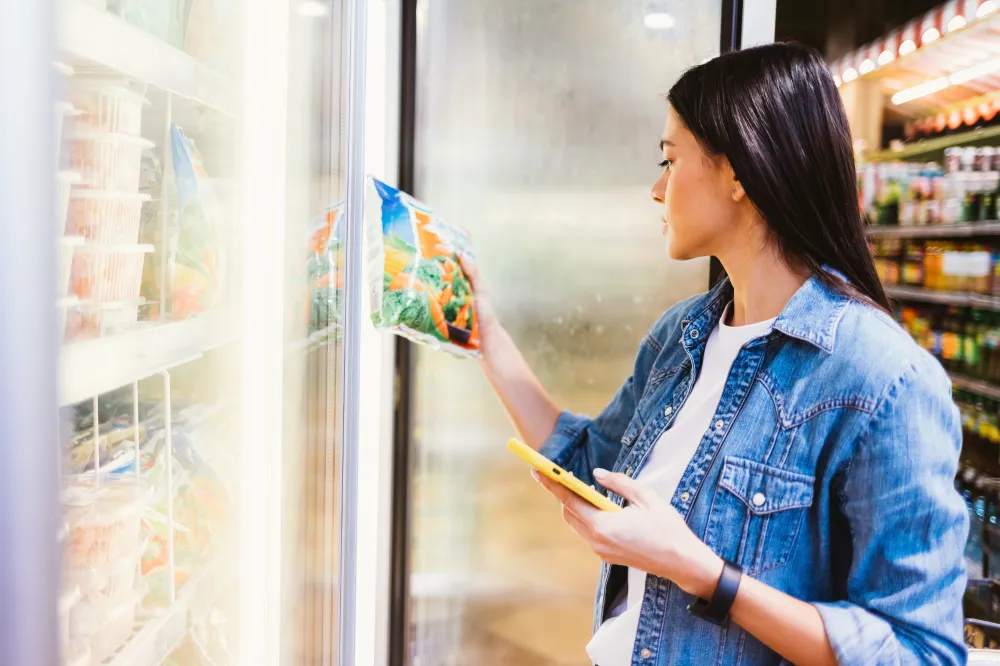
Jennifer House, a dietitian and founder of First Step Nutrition, notes that the common belief that fresh is always healthier is a myth. For busy families, keeping a freezer stocked with staples like berries, spinach, and broccoli ensures that healthy meal components are available regardless of the season or a hectic schedule.
Freezing is a physical alteration rather than a chemical one; by flash-freezing produce at the height of its ripeness, the food retains its nutritional integrity until the moment it is prepared for a meal.
Integrating Freezer Staples into Healthy Diets
Beyond fruits and vegetables, the freezer can serve as a hub for heart-healthy proteins and time-saving grains. Schlichter points to fatty fish, such as salmon, as a critical freezer staple because it provides essential omega-3 fatty acids, which are linked to improved heart, brain, and eye health, as well as reduced inflammation.
House highlights plant-based options like edamame, which provides 8 grams of fiber and over 18 grams of protein per cup. Additionally, pre-cooked frozen rice and quinoa allow families to assemble balanced meals in minutes, which may help maintain consistent healthy eating habits despite the pressures of work and childcare.
The shift toward utilizing frozen ingredients represents a practical strategy for reducing household food waste. By purchasing frozen fish, grains, and produce, families can control portion sizes and avoid the spoilage common with fresh, perishable goods, ultimately making long-term dietary habits more sustainable and cost-effective.
What May Happen Next for Home Cooks
As consumers increasingly prioritize both convenience and health, the reliance on frozen staples is likely to grow as a standard strategy for meal planning. Families may find that shifting their grocery strategy toward frozen items reduces the frequency of wasted produce, as these ingredients allow for flexible, on-demand cooking.

However, experts advise that not all frozen products offer the same benefits. Moving forward, consumers are encouraged to scrutinize labels to select items lower in sodium and saturated fats while favoring whole-ingredient, minimally processed options to maximize the health potential of their freezer inventory.
Frequently Asked Questions
Is frozen produce always less healthy than fresh?
No, experts state this is a myth. Frozen produce is often picked at peak ripeness and flash-frozen, which can make it just as nutritious—or even more so—than fresh produce that has been stored for long periods.

How can frozen foods help reduce food waste?
Frozen foods offer a longer shelf life and allow families to use only what they need. Because items like fish, grains, and vegetables can be portioned out, families can avoid the spoilage that often occurs with fresh, highly perishable ingredients.
Are all frozen foods healthy choices?
Not necessarily. While many frozen staples are nutrient-dense, dietitians recommend that families read labels to avoid highly processed options. It is best to choose items that are lower in sodium and saturated fat while remaining high in protein and whole ingredients.
How could incorporating more frozen staples into your weekly meal planning change the way you manage your grocery budget and food waste?