

Nvidia chases $200B CPU market with AI agent PCs from Microsoft, Dell, and HP
The End of the App Era: How AI Agents are Redefining the Personal Computer
For decades, our relationship with the computer has been transactional. We open an app, we click a button, we type a command, and the machine executes. This proves a manual process—a digital version of a filing cabinet and a typewriter.
But we are entering the era of the “Agentic PC.” With the arrival of Nvidia’s RTX Spark “superchip,” the industry is shifting from tools that we operate to agents that work for us. This isn’t just a spec bump in processing power; it is a fundamental rewrite of the human-computer interface.
Moving the Brain from the Cloud to the Edge
Until now, most “AI PCs” have been glorified terminals. When you ask a chatbot a question, your data travels to a massive server farm, gets processed, and travels back. This creates latency and, more importantly, privacy risks.
The trend is now shifting toward Edge AI. By integrating massive compute power directly into the CPU and GPU architecture, devices like the upcoming Surface Laptop Ultra can run Large Language Models (LLMs) locally.
This means your AI agent—whether it’s OpenClaw or Hermes—doesn’t need to “phone home” to understand your request. It happens in a secure sandbox, keeping your sensitive data on your hardware, not on a corporate server.
Why Local LLMs are the Future of Productivity
- Zero Latency: Instantaneous responses without waiting for server pings.
- Enhanced Privacy: Your proprietary business data never leaves your device.
- Offline Capability: High-level AI productivity in flight or in remote areas.
- Customization: The ability to fine-tune local models to your specific writing style or coding preferences.
The $200 Billion Pivot: Why CPUs Now?
Nvidia has long been the king of the GPU, the engine that powers AI training. However, Jensen Huang is now eyeing a massive new market: the AI CPU. By merging the strengths of traditional processing with AI acceleration, Nvidia is creating a “superchip” ecosystem.
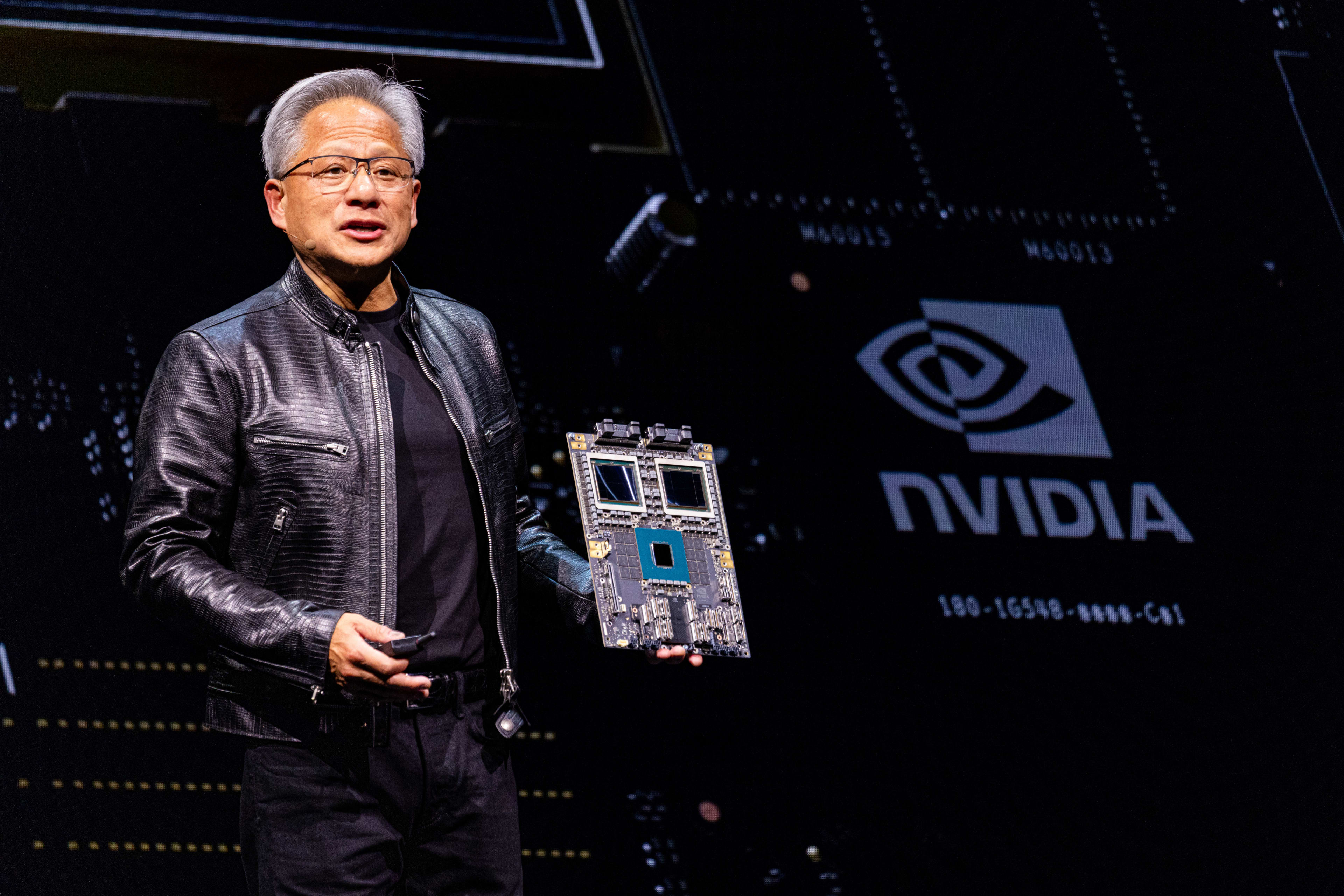
This move is a strategic masterstroke. If Nvidia controls both the GPU (the muscle) and the CPU (the brain) of the AI PC, they control the entire stack. This allows for deeper integration with software giants like Microsoft and creative powerhouses like Adobe and Blender.
From “Point and Click” to “Ask and Execute”
The most provocative part of this evolution is the death of the traditional UI. Imagine a workflow where you don’t open Excel to create a pivot table or Photoshop to remove a background. Instead, you tell your PC: “analyse this quarter’s sales data and create a visual presentation for the board.”
The AI agent then orchestrates the apps in the background. It doesn’t just suggest text; it executes the workflow. This transition from Generative AI (which creates content) to Agentic AI (which completes tasks) is the real catalyst for the next PC upgrade cycle.
Real-World Impact Across Industries
We are already seeing the seeds of this in high-end development. The DGX Spark systems used by developers are essentially the blueprint for these consumer laptops. In the gaming world, this means NPCs (non-player characters) that can have unscripted, natural conversations in real-time, powered by local models rather than pre-written scripts.
Can Nvidia Avoid the Ghosts of the Past?
Skeptics will point to the 2013 failure of the Surface RT, an ARM-based experiment that crashed and burned due to a lack of app support. However, the landscape has changed. Today, Nvidia isn’t just providing a chip; they are providing an ecosystem.

With over 1,000 games and applications already optimized and a coalition of partners including Dell, HP, and Lenovo, the “app gap” that killed the Surface RT is unlikely to repeat. The demand for local AI is a pull from the market, not a push from a manufacturer.
Frequently Asked Questions
What is an AI PC?
An AI PC is a computer equipped with specialized hardware—like an NPU (Neural Processing Unit) or a superchip like the RTX Spark—designed to handle AI tasks locally rather than relying on the cloud.
What are AI Agents?
Unlike standard chatbots, AI agents can interact with your operating system to perform tasks, use tools, and make decisions to achieve a specific goal without step-by-step human intervention.
Will these PCs be affordable?
Initial models, such as the Surface Laptop Ultra, are expected to target the high-end professional and creator market. However, as production scales, we expect a wider range of pricing to compete with options like the Mac Mini.
Do I need a new PC to use AI?
You can use cloud-based AI on any device. However, for professional-grade speed, privacy, and the ability to run “Agentic” workflows locally, a dedicated AI PC will become essential.
Join the Conversation
Do you think the “Agentic PC” will actually replace the way we use apps, or is this just marketing hype? Would you trust a local AI agent with your professional workflow?
Let us know in the comments below or subscribe to our newsletter for the latest in AI hardware breakthroughs!