
One year on, pressure builds on Indonesian government to enforce free education ruling – Asia News Network
Education watchdogs in Indonesia are urging the government to enforce a Constitutional Court ruling that mandates free basic education at both public and private schools, a year after the decision was issued without concrete action.
What the Ruling Entailed
The court’s May 27, 2025, decision addressed a judicial review of the 2003 National Education System (Sisdiknas) Law. It required the government to ensure free compulsory education at elementary and junior high school levels, including madrasah (Islamic schools), to promote equitable access. The ruling clarified that Article 34 of the Sisdiknas Law, which guarantees free education, had been narrowly interpreted to apply only to state schools.
Private institutions offering international curricula or additional programmes were deemed exempt, as parents enrolling their children in such schools were considered aware of the associated costs. The policy was expected to take immediate effect upon the ruling’s announcement.
Why It Matters
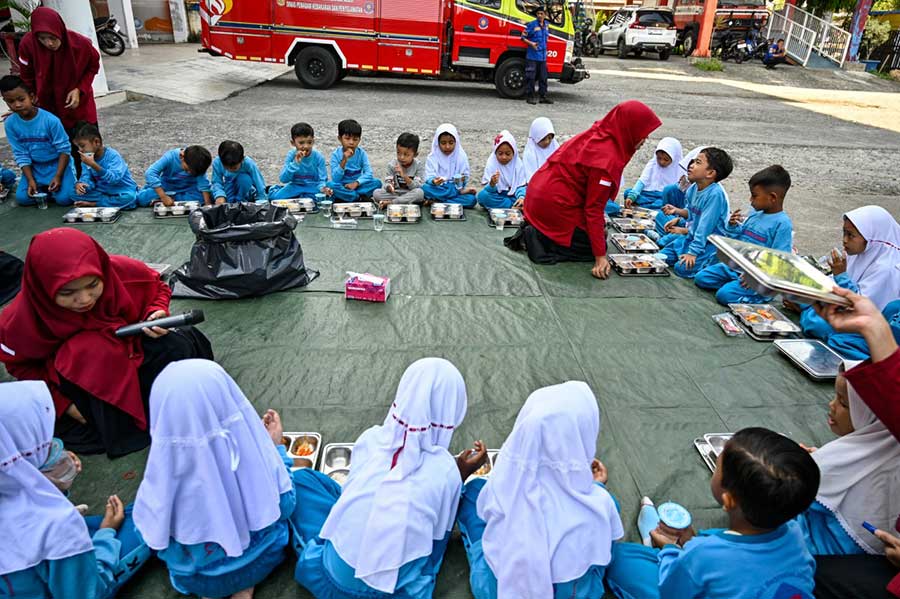
Despite the court’s mandate, the Indonesian Education Monitoring Network (JPPI) reported no meaningful implementation efforts, particularly the absence of a presidential regulation to formalize enforcement. JPPI’s Ubaid Matraji highlighted that Indonesia’s Rp 769 trillion (US$43.2 billion) education budget could fund the policy, but he accused the government of prioritizing other initiatives, such as the free nutritious meal program, which consumes 30% of the education budget.
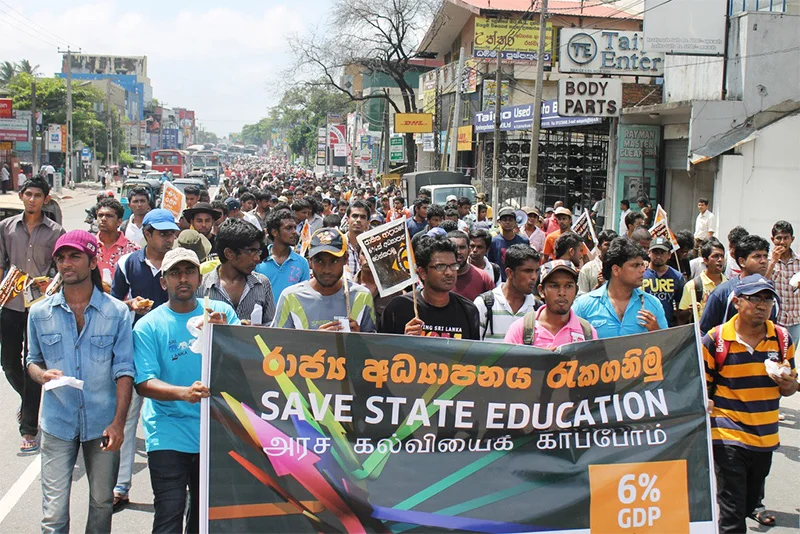
Education expert Darmaningtyas noted that while some private schools serve affluent families, many low-income students end up in private institutions after failing to secure spots in state schools, risking financial strain and dropout rates. Ubaid cited 3.9 million children out of school as of May 2026, with 70% of them abandoning education due to unaffordable private school fees.
What May Happen Next
The government could face continued pressure from watchdogs and advocacy groups to issue a presidential regulation. However, without explicit action, the ruling’s enforcement remains uncertain. Analysts suggest that if the government delays implementation, it may exacerbate educational inequality and undermine long-term economic growth. Conversely, prompt action could strengthen access to education for millions of children.
Frequently Asked Questions
What does the Constitutional Court ruling require?
The ruling mandates free compulsory education at elementary and junior high school levels, including madrasah, for all students, regardless of school type.
Why has the government not acted on the ruling?
The government has not issued a presidential regulation to enforce the policy, according to the Indonesian Education Monitoring Network, which attributes the delay to a lack of funding prioritization.
How many children are affected by the lack of implementation?
Approximately 3.9 million children in Indonesia remain out of school, with 70% of them dropping out due to unaffordable private school fees after failing to secure state school placements.
What steps could the government take to address educational inequity, and what challenges might it face in doing so?