

Operation Blessing Brings Urgent Relief to Philippine Earthquake Victims; Muslims First to Receive Aid
A 7.8 magnitude earthquake in the Southern Philippines killed nearly 50 people and destroyed up to 90% of homes in some villages, according to community leader Rakisa Tumbaga. Relief efforts by Operation Blessing focus on immediate survival needs, highlighting a shift toward decentralized, off-grid aid for remote communities cut off by collapsed infrastructure.
How is disaster relief evolving for remote Philippine communities?
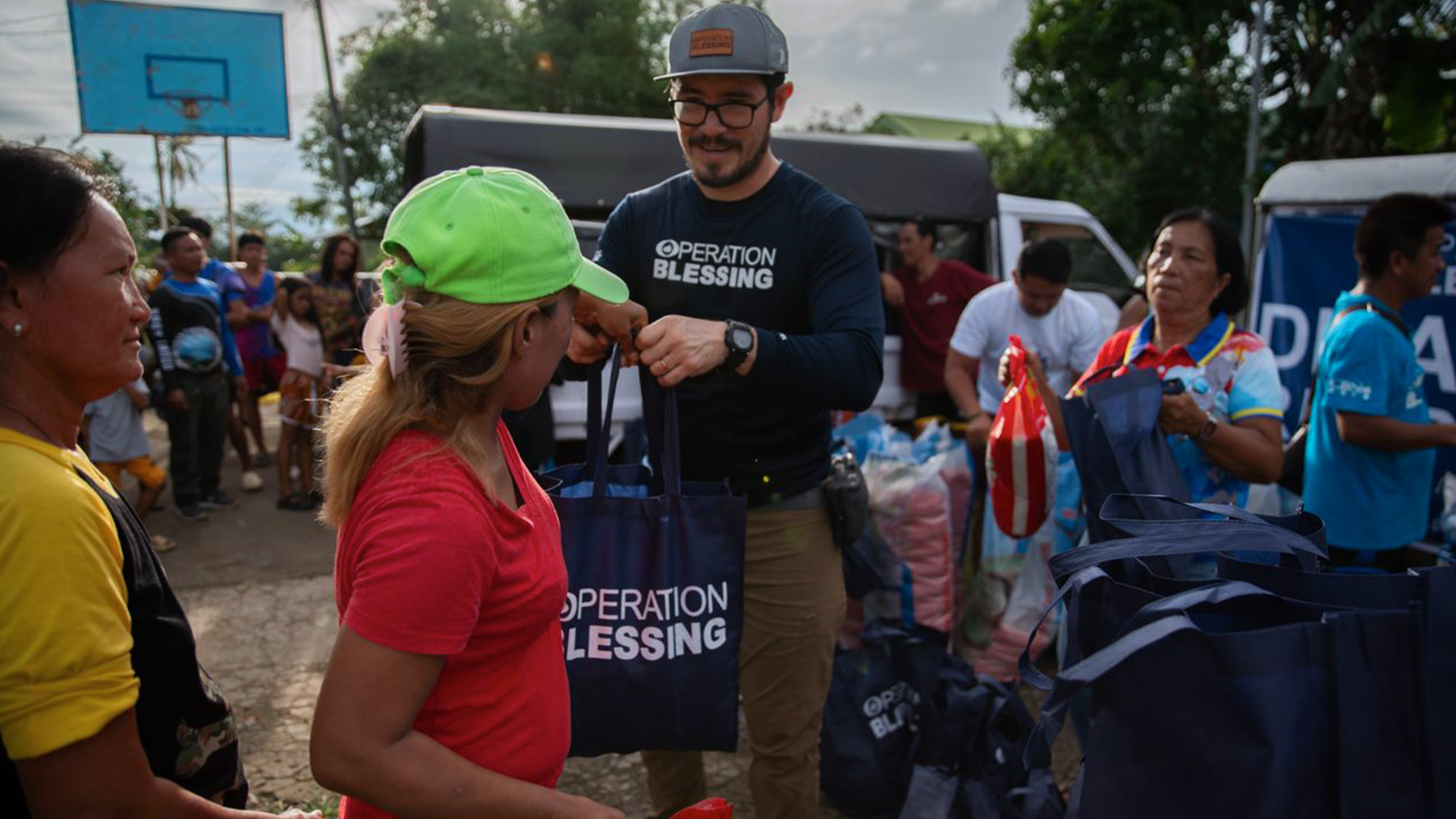
Aid organizations are moving toward “last-mile” logistics to reach survivors when primary transport fails. In the wake of the Southern Philippines quake, Operation Blessing reported that damaged roads and collapsed bridges isolated several villages, forcing response teams to adapt their delivery methods to reach the most vulnerable.
This shift matters because centralized aid often stalls at the perimeter of a disaster zone. By deploying rapid response teams directly into the epicenter, organizations can deliver hygiene kits, blankets, and two-week food supplies before government infrastructure is restored. This model reduces the reliance on main highways, which Rakisa Tumbaga noted became makeshift campsites for residents seeking food.
Why is off-grid infrastructure becoming critical after seismic events?
The loss of power grids is a primary driver of post-quake instability. Rakisa Tumbaga told CBN News that the lack of electricity was a major hardship for survivors living in makeshift tents. To counter this, relief groups are increasingly integrating portable energy solutions into their initial response packages.
Operation Blessing’s distribution of solar lamps in affected villages demonstrates a trend toward “energy resilience.” Rather than waiting for utility companies to repair downed lines, survivors use solar technology to maintain safety and visibility at night. This trend is expanding globally as humanitarian groups recognize that lighting is not just a convenience, but a security requirement for women and children in open-air shelters.
What are the long-term housing challenges for earthquake survivors?
The transition from emergency tents to permanent, resilient housing remains the biggest hurdle for survivors. Fatima Abubakar, a widow caring for three grandchildren, described her struggle to find a dry place to sleep during the rainy season after her home crumbled. Her experience underscores a recurring gap in disaster recovery: the “shelter cliff.”
The shelter cliff occurs when short-term aid (tents and mats) ends, but permanent reconstruction hasn’t begun. Future trends in the region suggest a move toward “build back better” initiatives, which replace traditional materials with seismic-resistant designs. For survivors like Abubakar, the immediate need for a “safe place to stay” evolves into a long-term need for structures that can withstand the Philippines’ frequent tectonic activity.
Comparing Immediate Relief vs. Long-Term Recovery
The response to the Southern Philippines quake highlights the contrast between stabilization and recovery. Immediate relief focuses on biological survival, while recovery focuses on socio-economic stability.
- Immediate Relief (Current): Delivery of hygiene kits, two-week food supplies, and tents to prevent exposure.
- Long-Term Recovery (Future Trend): Transitioning from makeshift tents along highways to permanent, earthquake-proof housing and restored electrical grids.
Frequently Asked Questions
What are the most urgent needs after a major earthquake?
According to field reports from Operation Blessing, the most critical needs include potable water, emergency shelter (tents/mats), hygiene kits, and immediate food supplies.
How do aid groups reach areas with collapsed bridges?
Response teams use specialized logistics and rapid-deployment units to bypass damaged main roads, ensuring supplies reach isolated villages near the epicenter.
Why are solar lamps used in disaster zones?
Solar lamps provide a reliable light source when the electrical grid is destroyed, improving safety and mental well-being for survivors living in temporary shelters.
Want to stay updated on global disaster response and resilience trends?
Join the conversation in the comments below or subscribe to our newsletter for deep dives into humanitarian logistics and climate adaptation.