
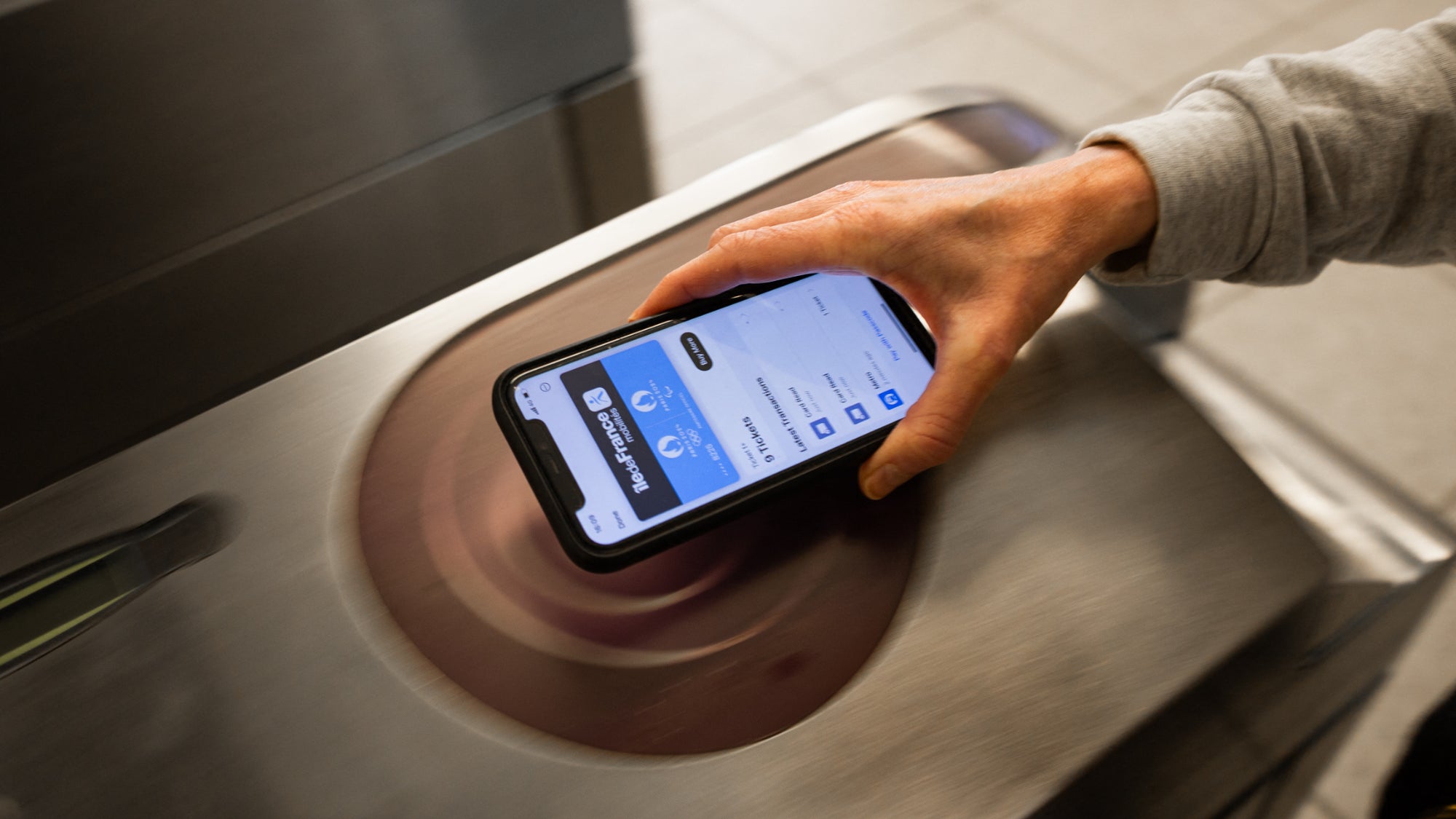
Pass Navigo to Remain on iPhone Apple Wallet
Beyond the Plastic Card: The Digital Evolution of Urban Transit
For decades, the ritual of city commuting involved a physical card, a plastic token, or a paper ticket. But as the recent tensions between transport authorities and tech giants like Apple have shown, the transition to digital ticketing is about far more than just convenience. It is a high-stakes battle over data, ecosystem control, and the future of how we move through cities.
The shift toward integrating transit passes into digital wallets is a glimpse into a broader transformation. We are moving away from “owning a ticket” toward “accessing a service.” This evolution is paving the way for a seamless, frictionless urban experience, but it comes with significant regulatory hurdles.
The War of the Walled Gardens: Tech Giants vs. Public Regulators
The friction we see today—where regulators worry about “fair treatment” between sales channels—highlights the tension between public utility and private profit. When a company like Apple or Google integrates a transit pass into its native wallet, it creates a “walled garden.”
For the user, it’s a dream: no third-party apps to download, no passwords to remember, and a simple tap-and-go experience. However, for city governments, this creates a dependency. If a tech giant controls the gateway to the turnstile, they potentially control the user data and the transaction flow.
We are seeing this play out globally. From London’s Oyster system to the integration of Suica in Japan, the goal is always the same: balancing the effortless UX of a smartphone with the need for public oversight and open competition.
The Rise of Open Standards
To counter the dominance of a few players, there is a growing movement toward open-loop payments. Instead of a proprietary “transit card,” cities are moving toward systems that accept any contactless credit card or mobile wallet. This removes the middleman and allows travelers to move across different cities without needing a local account.

MaaS: The Holy Grail of Urban Mobility
The ultimate destination for digital ticketing is Mobility as a Service (MaaS). Imagine a single interface where you can plan a trip that involves a train, a shared electric scooter, and a ride-share vehicle—all paid for with one single click.
Current trends suggest we are heading toward a “Unified Mobility Profile.” Instead of juggling five different apps, your digital identity will communicate with the city’s infrastructure. The system will automatically calculate the cheapest fare across different operators, a concept known as “Best Fare Capping.”
Real-world examples can be seen in cities like Helsinki, which has pioneered MaaS initiatives to reduce private car ownership. By integrating all transport modes into one digital ecosystem, the city makes public transit more attractive than owning a vehicle.
The Future: Biometrics and “Invisible” Ticketing
If the jump from plastic to smartphone was the first leap, the next is the removal of the device entirely. We are entering the era of “invisible ticketing.”
- Biometric Validation: Using facial recognition or palm scanning to validate entry. Some stations in China have already implemented “smile-to-pay” systems.
- Ultra-Wideband (UWB) Technology: Future systems may use UWB to detect your presence as you walk through a gate, charging your account automatically without you ever taking your phone out of your pocket.
- Wearable Integration: The shift from phones to smart rings and watches is accelerating, making the “tap” even more discreet.
While these advancements offer peak efficiency, they raise critical questions about privacy and surveillance. The challenge for future urban planners will be implementing these smart city technologies without compromising the anonymity of the commuter.
FAQ: Digital Transit and the Future of Commuting
Will physical transit cards disappear completely?
Unlikely in the short term. Digital equity is a major concern; cities must provide options for those without smartphones or bank accounts to ensure public transport remains accessible to all.

Is it safe to store my transit pass in a digital wallet?
Yes. Digital wallets use tokenization, meaning your actual card number is not shared with the turnstile, making it more secure than a physical card that can be stolen or cloned.
What happens if my phone dies?
Many modern smartphones have a “power reserve” mode specifically for NFC transit and payment cards, allowing them to work for several hours after the main battery has died.
What’s your take on the digital shift?
Do you prefer the simplicity of a digital wallet, or do you miss the reliability of a physical pass? Let us know in the comments below or subscribe to our newsletter for more insights into the future of tech and urban living!