
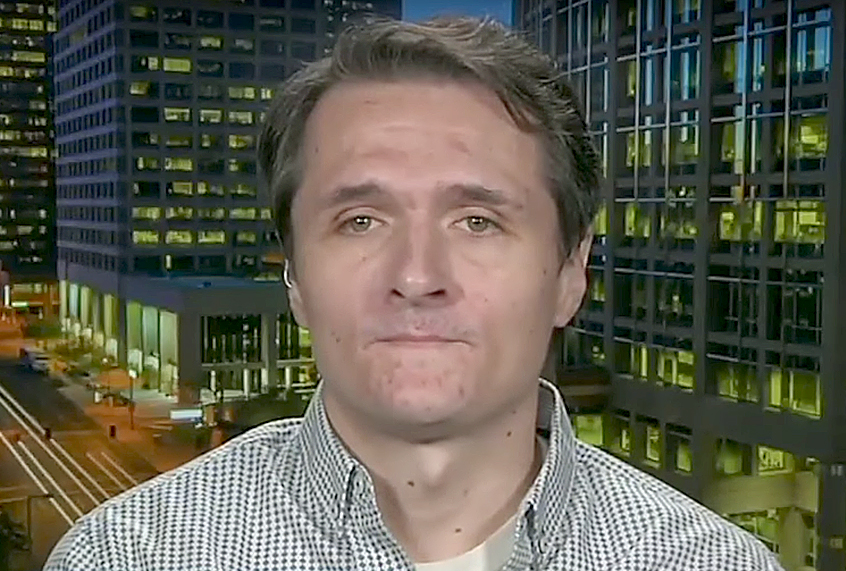
Paul Horner, the Fake News Writer Who Influenced Trump, Found Dead
Paul Horner, a 38-year-old writer known for creating widely circulated fake news articles, was found dead in his bed last week. Local authorities, who discovered the body, suspect a drug overdose as the cause of death and have indicated they do not believe foul play was involved, according to reports from CBS News.
Horner gained notoriety for producing fabricated stories that were shared by prominent figures, including Donald Trump Jr. and campaign manager Corey Lewandowski. He famously claimed in an interview with the Washington Post that his work influenced the outcome of the 2016 presidential election. Despite the controversy surrounding his content, websites associated with his byline, including “Jimmy Rustling,” remained active as recently as September 15.
Paul Horner admitted to the Washington Post that he earned approximately $10,000 per month from his fake news operations, a business model he compared to the revenue strategies used by major cable news outlets.
The Role of Fabricated Content in Modern Politics
Horner’s career was defined by the dissemination of conspiracy theories, such as claims that anti-Trump protesters were paid to attend rallies or that Barack Obama was a secret radical Muslim. While he often framed his work as “satire” or an attempt to expose the dishonesty of the right, he simultaneously acknowledged that his audience frequently failed to fact-check his reports. His articles were occasionally treated as primary sources by major platforms, including Fox News.

Analysts suggest that Horner’s work was not an isolated phenomenon but rather an extension of a long-standing tradition of misinformation. Matthew Sheffield, writing for Salon, noted that the rise of conspiracy-peddling websites belongs to a established history of conservative fake news. Similarly, author Kurt Andersen has argued that the current era of misinformation is part of a trend with roots stretching back 500 years.
The significance of Horner’s career lies in the structural shift of the media landscape. By exploiting a pre-existing distrust of mainstream institutions, creators like Horner were able to leverage social media to reach large audiences. The consequences of this trend include a lasting erosion of shared factual ground, as the line between professional reporting and deliberate fabrication continues to blur in the digital age.
Future Implications for Media Literacy
As the digital landscape evolves, the death of a central figure in the “fake news” industry may not necessarily end the proliferation of such content. Because the business model relies on the intersection of user attention and advertising profit, it is likely that other operators will continue to exploit similar gaps in media literacy. Observers note that as long as there is an audience willing to prioritize confirmation of their existing beliefs over verified information, the market for fabricated news will remain lucrative.
Moving forward, the primary challenge for the media industry involves addressing the deep-seated skepticism that allowed these narratives to flourish. Whether traditional news organizations can rebuild trust or if the trend of audience-specific misinformation will continue to grow remains a subject of ongoing debate.
Frequently Asked Questions
What was the cause of Paul Horner’s death?
Local authorities suspect a drug overdose, according to CBS News, and have stated there is no evidence of foul play.
How did Horner generate profit from his work?
Horner told the Washington Post that he earned about $10,000 a month by producing fake news stories that catered to the interests and beliefs of his specific audience.
Was Horner’s work limited to one political perspective?
While he framed himself as an undercover operative of the alt-right, he claimed his work was intended to expose the dishonesty of the conservative right; however, his stories were primarily consumed and shared by Trump supporters.
Do you believe the rise of social media has made it impossible for the public to distinguish between satire and factual reporting?