
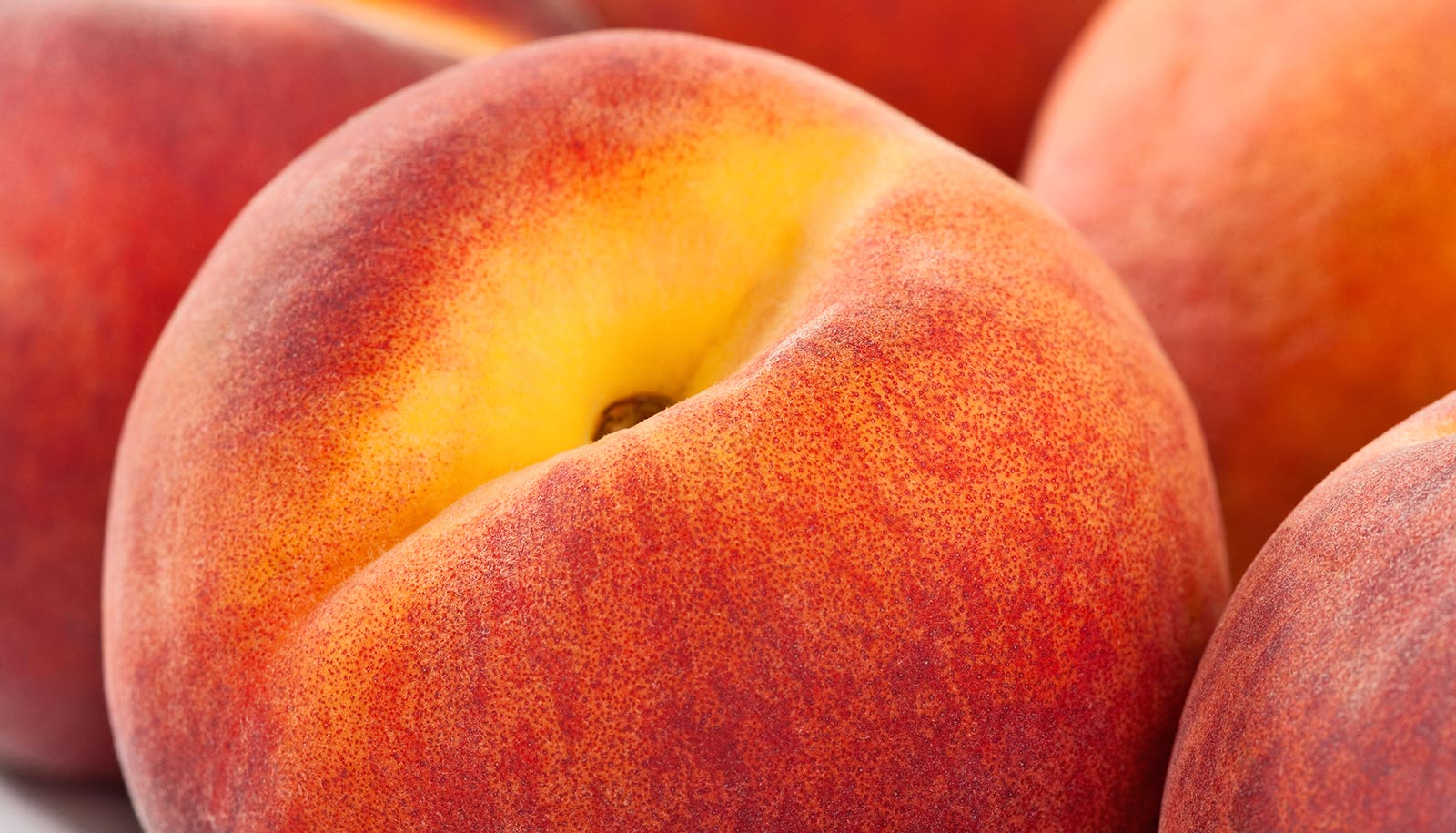
Peach fuzz’ could hold clues to new chronic itch treatments
Researchers at the University of Michigan have identified a biological pathway where vellus-like hairs and specialized touch-sensitive neurons trigger itch sensations. According to associate professor Bo Duan, this discovery in mouse models suggests a dedicated system for “mechanical itch” that could lead to new treatments for chronic skin inflammation.
How do vellus-like hairs trigger itching?
The research team identified a previously unrecognized class of vellus-like hairs in mice and a specific population of touch-sensitive neurons connected to them. These hairs resemble the fine, light-colored “peach fuzz” found on humans.

According to the study published in the journal Neuron, proteins transmit the itch signal from these hairs to the spinal cord via the specialized neurons. To verify this, researchers used a small loop of thread to stroke the hairs of mice, which triggered a scratching response.
The team further confirmed the neurons’ role by making them sensitive to blue light. When the researchers shone light on the skin, the mice scratched in the same manner as they did during mechanical stimulation.
Why does this discovery matter for chronic itch?
Bo Duan states that itch is a primary symptom for most patients with chronic skin inflammation. Current treatments for “chemical itches,” such as those caused by poison ivy or mosquito bites, are ineffective against itch caused by skin inflammation, Duan says.

The research involved mice with chronic skin inflammation, a condition known as eczema in humans. Mice expressing these specific neurons scratched normally, but those lacking the neurons or having inactive neurons showed a greatly reduced itching response.
Because of these findings, Duan suggests that targeting the “mechanical itch” pathway could be more successful than existing treatments. The University of Michigan team has ongoing projects to explore these neurons as future targets.
Do humans have the same itch mechanism?
While the team cannot run direct experiments on human pathways, they found evidence that humans possess the genes required to create these touch-sensitive neurons. Additionally, human neurons grown in cultures responded to the same proteins found in the mouse models.
Duan demonstrates this mechanism by gently stroking the vellus hairs around a person’s lips with a pointed piece of tissue. He notes that grazing these thin hairs—rather than thicker terminal hairs—can trigger an itch sensation.
The researchers suggest these hairs may have evolved as a warning system to alert mammals when parasites or pests attempt to enter the body. To prevent constant itching, the body uses “gating” circuits within the spinal cord to block mechanical itch signals unless they are activated in a specific way.
Frequently Asked Questions
What are vellus-like hairs?
Vellus-like hairs are fine, short, and light-colored hairs, commonly referred to in humans as “peach fuzz.”
How is mechanical itch different from chemical itch?
Chemical itch is caused by triggers like mosquito bites or poison ivy, whereas mechanical itch is triggered by the physical stimulation of specialized hairs and neurons. According to Bo Duan, treatments for chemical itch do not work for inflammation-based mechanical itch.
Why don’t humans feel itchy all the time if we have these hairs?
According to research by Bo Duan, the spinal cord contains “gating” circuits that block mechanical itch signals unless they are activated in a particular manner.
Do you notice a difference in how your skin reacts to different types of triggers?