
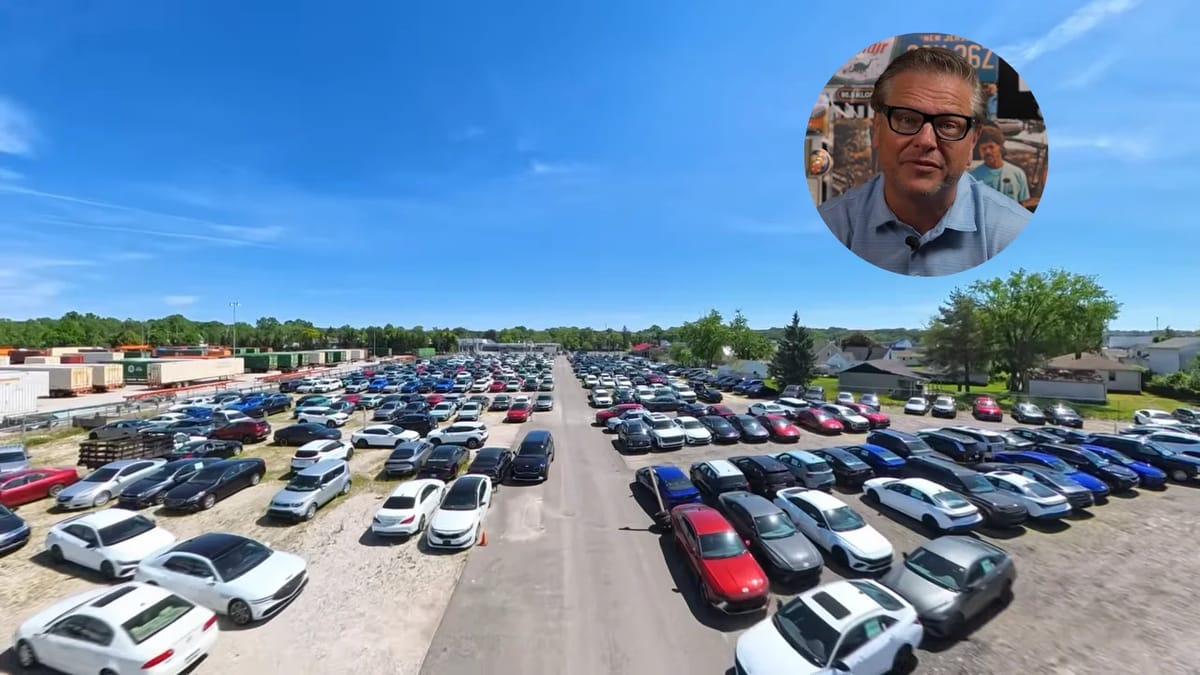
Pennsylvania Dealer Buys 213 Hail-Damaged New Cars in $7.6M Deal
Pennsylvania-based vehicle buyer John Clay Wolfe has purchased 213 hail-damaged cars from a Cleveland, Ohio, dealership group for $7.6 million. The inventory, which includes brands such as BMW, Land Rover, Kia, and Hyundai, was acquired following a severe hailstorm that left the vehicles with significant body, trim, and glass damage. Wolfe, who operates the purchasing firm Give Me The Vin, negotiated an agreement where the seller absorbs 80 percent of potential losses should the resale venture fail.
Before John Clay Wolfe agreed to the $7.6 million purchase, the Cleveland dealership had already successfully repaired approximately 600 other vehicles damaged in the same hailstorm.
The Economics of the Deal
The purchase price of $7.6 million was determined based on a pre-damage market valuation of roughly $8.8 million. According to Wolfe, the most severe damage is concentrated on Land Rover and Range Rover models, where the cost of replacing specialized body panels and glass is significantly higher. While the vehicles are technically brand new, many carry only delivery-level mileage, complicating the assessment of their remaining value.

Samantha Carter notes that the structure of this deal highlights a classic high-stakes arbitrage play. By securing an 80 percent loss-absorption clause from the seller, Wolfe has effectively hedged his exposure to the volatile repair market, though the ultimate success hinges on whether wholesale buyers prioritize the initial purchase discount over the substantial costs of cosmetic and structural remediation.
Risk Assessment and Resale Strategy
Wolfe estimates that repairing the entire fleet could exceed $1 million in additional costs. To mitigate this financial burden, he has opted against traditional repairs. Instead, the current plan involves transporting the 213 vehicles to Pennsylvania to be sold through wholesale auctions in their current condition. This strategy is intended to move the inventory quickly and avoid the logistical complications of a long-term repair project.

What Happens Next
The project’s profitability remains dependent on auction demand and fluctuating transportation expenses. If the wholesale market for damaged, near-new vehicles remains strong, Wolfe stands to retain all profits from the sales. However, if transportation costs rise or dealer demand for damaged inventory cools, the transaction could result in a significant financial loss despite the protections negotiated during the sale. The outcome will determine if the acquisition serves as a successful business venture or a costly operational burden.
Frequently Asked Questions
Why did John Clay Wolfe choose to sell the cars at auction rather than repair them?
Wolfe determined that repairing the vehicles would be too costly and time-consuming, estimating repair costs at over $1 million. Selling them at auction allows him to move the inventory faster and avoid the headaches associated with the repair process.
What protection does the buyer have if the deal fails?
During negotiations, the seller agreed to absorb 80 percent of any financial losses incurred if the venture does not prove profitable.
What is the primary factor affecting the value of these cars?
The vehicles were damaged in a severe hailstorm in Ohio, which impacted body panels, trim pieces, and glass, particularly on high-end models like Land Rovers and Range Rovers.
Do you believe that buying damaged, near-new inventory is a savvy business move or an unnecessary risk?