
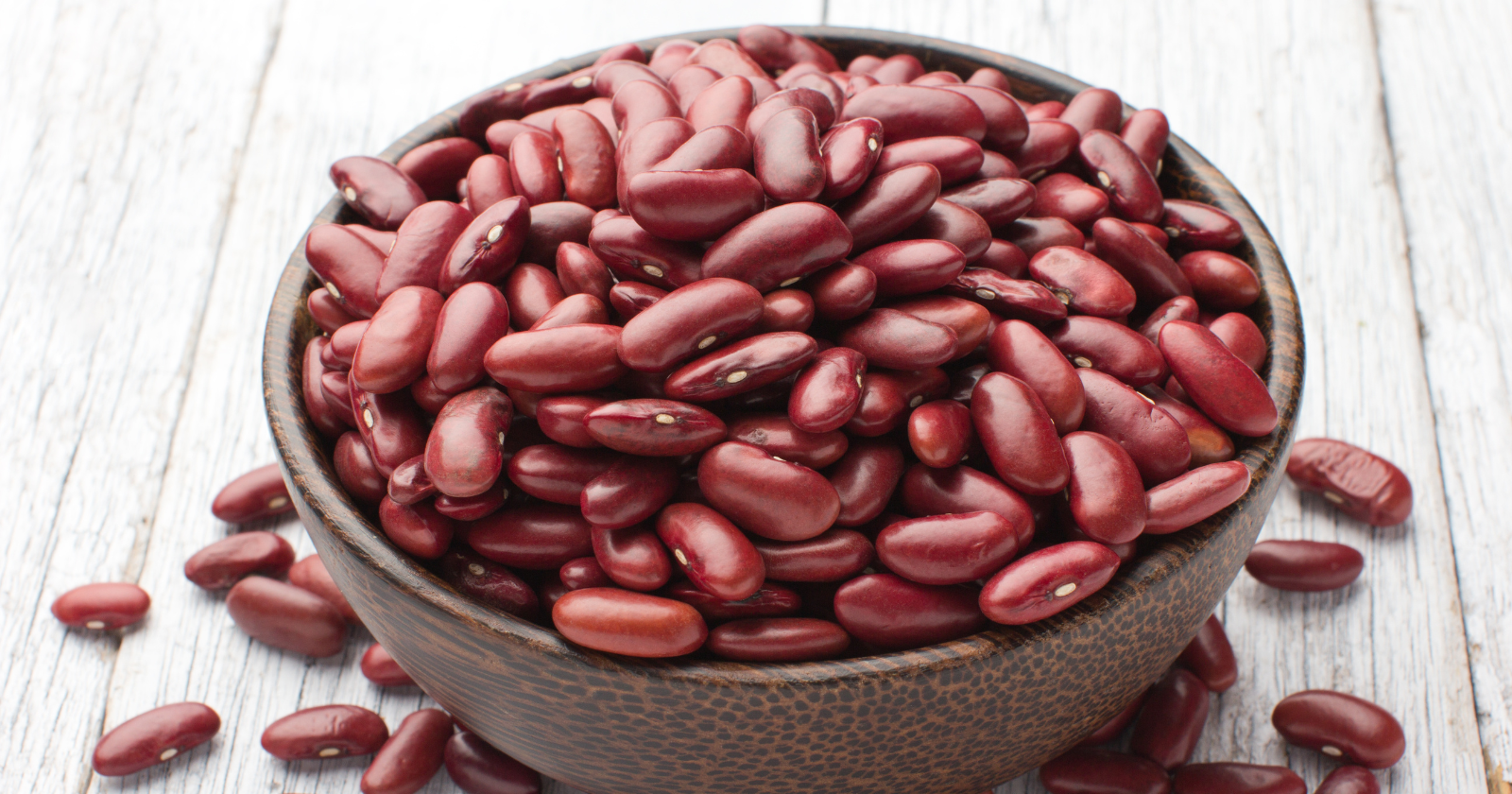
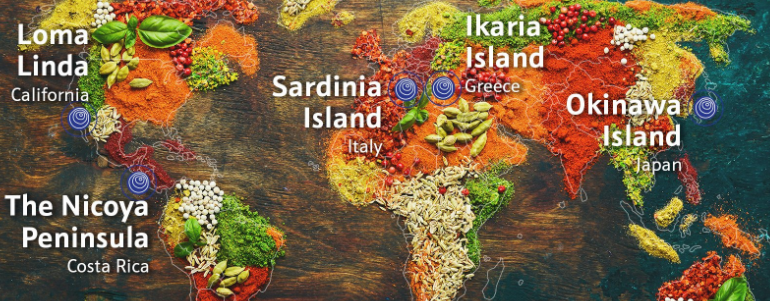
People in the longest living populations on Earth tend to eat roughly four to five times as many beans as the average Westerner – black beans in Nicoya, fava beans and chickpeas in Sardinia and Ikaria, soybeans in Okinawa – making beans the single most consistent dietary feature across communities where reaching 100 is not unusual, in a finding that has held up across decades of longevity research
Legume consumption is the single most consistent dietary feature across documented longevity-hotspot populations worldwide, according to a 2016 review of Blue Zones research published in the American Journal of Lifestyle Medicine. Research indicates that residents of these regions consume approximately one cup of beans daily, a volume significantly higher than the one to two tablespoons typically eaten by Western adults.
The Connection Between Legumes and Longevity
The most rigorous evidence for this dietary link comes from a 2004 study published in the Asia Pacific Journal of Clinical Nutrition. Researchers at Monash University followed 785 adults over age 70 for seven years, tracking dietary intake across five distinct ethnic groups. They found that for every additional 20 grams of legumes consumed daily, the risk of death decreased by 7 to 8 percent.

This association held steady regardless of a participant’s baseline health, smoking status, or other dietary variables. Unlike studies relying on population age claims, this research focused on measured intake and mortality outcomes, providing a robust statistical link between bean consumption and life expectancy.
Legumes have been a staple of the human diet for at least 10,000 years, and they are uniquely high in soluble fiber, plant protein, and resistant starch, which collectively support gut health and stabilize blood glucose.
Why Beans Impact Long-Term Health
Beans possess a specific nutritional profile that influences biological markers associated with chronic disease. According to a 2026 review by the Future of Nutrition and Longevity Institute, regular consumption is linked to lower blood pressure, improved cholesterol levels, and reduced insulin resistance. These physiological benefits contribute to lower rates of cardiovascular disease and type 2 diabetes.
Because beans are low in calories and high in nutrients like folate, iron, and potassium, they offer a dense source of plant-based nutrition without the inflammatory compounds often found in animal proteins. By replacing meat with legumes, individuals may see measurable improvements in metabolic health within weeks.
While recent critiques by demographer Saul Justin Newman have challenged the validity of age reporting in some longevity hotspots, the physical benefits of legumes remain distinct from these demographic debates. The clinical data on bean consumption focuses on measurable health outcomes for 70-year-olds, making it a practical, science-backed dietary strategy regardless of geographic location.
Implementing Dietary Changes
Adopting a bean-rich diet is straightforward in principle but often requires overcoming a Western food environment that rarely features legumes as a centerpiece. In longevity hotspots, bean-based dishes—such as Costa Rican gallo pinto, Sardinian fava soup, or Okinawan miso—are integrated into daily life, making them an easy default.
For those in urban or Western settings, a possible next step is to replace one daily meat serving with a cup of cooked beans. While this requires more advance planning, such as soaking dried beans or selecting canned alternatives, consistent intake is likely to compound health benefits over time. As the food is inexpensive and widely available, the primary challenge remains shifting daily cooking habits to prioritize these legumes.
Frequently Asked Questions
How much do I need to eat to see a benefit?
According to the 2004 Monash University study, an increase of just 20 grams—roughly two tablespoons—of legumes per day was associated with a 7 to 8 percent reduction in mortality risk over seven years.

Are all beans equally beneficial?
The specific type of bean varies by culture, ranging from black beans in Nicoya and fava beans in Sardinia to soybeans in Okinawa. The consistent finding is that legumes as a food group are the strongest predictor of survival across diverse ethnic populations.
Does the critique of Blue Zones data change the findings on beans?
No. The 2004 study on legume consumption used direct dietary tracking and mortality records rather than relying on age claims from supercentenarians, meaning the health benefits remain statistically robust despite debates regarding demographic registration errors.
What is one simple way you could incorporate an extra serving of beans into your dinner tonight?