
Scientists finally pinpoint the cause of Atlantic Ocean warming
Human-produced greenhouse gases and air pollution drive long-term Atlantic Ocean temperature swings, according to a study published in Geophysical Research Letters. Researchers from Florida State University and ETH Zürich found these anthropogenic forces, not natural ocean circulation, cause the warming trends linked to increased hurricane activity since 1990.
Why are Atlantic Ocean temperatures shifting?
Atlantic sea surface temperatures are shaped by two competing human-driven forces: greenhouse gas emissions and aerosols. According to the study led by Michael Diamond and Anthony Freveletti of Florida State University, greenhouse gases trap heat and warm the ocean, while industrial air pollution releases aerosols that reflect sunlight and cool the surface.
For decades, scientists attributed these temperature swings to the Atlantic Meridional Overturning Circulation (AMOC), a natural conveyor belt moving heat across the globe. However, Freveletti stated that the research contradicts this theory, finding that long-term changes relate more directly to human-produced causes.
How does the Atlantic differ from the Pacific?
The drivers of ocean temperature in the Atlantic are fundamentally different from those in the Pacific. In the Pacific, natural climate patterns remain the dominant force. These include the well-known El Niño and La Niña cycles, which shift every two to seven years, and the Pacific Decadal Oscillation, which operates over several decades.

The research team, which included Robert Wills of the ETH Zürich Institute for Atmospheric and Climate Science, confirmed that Pacific oscillations result from internal ocean dynamics. In contrast, the Atlantic’s patterns are not natural cycles but the result of overlapping human influences.
| Ocean Basin | Primary Temperature Driver | Nature of Influence |
|---|---|---|
| Pacific | Internal Dynamics (e.g., El Niño) | Natural/Cyclical |
| Atlantic | GHGs and Aerosols | Anthropogenic/Human-driven |
What does this mean for hurricane frequency?
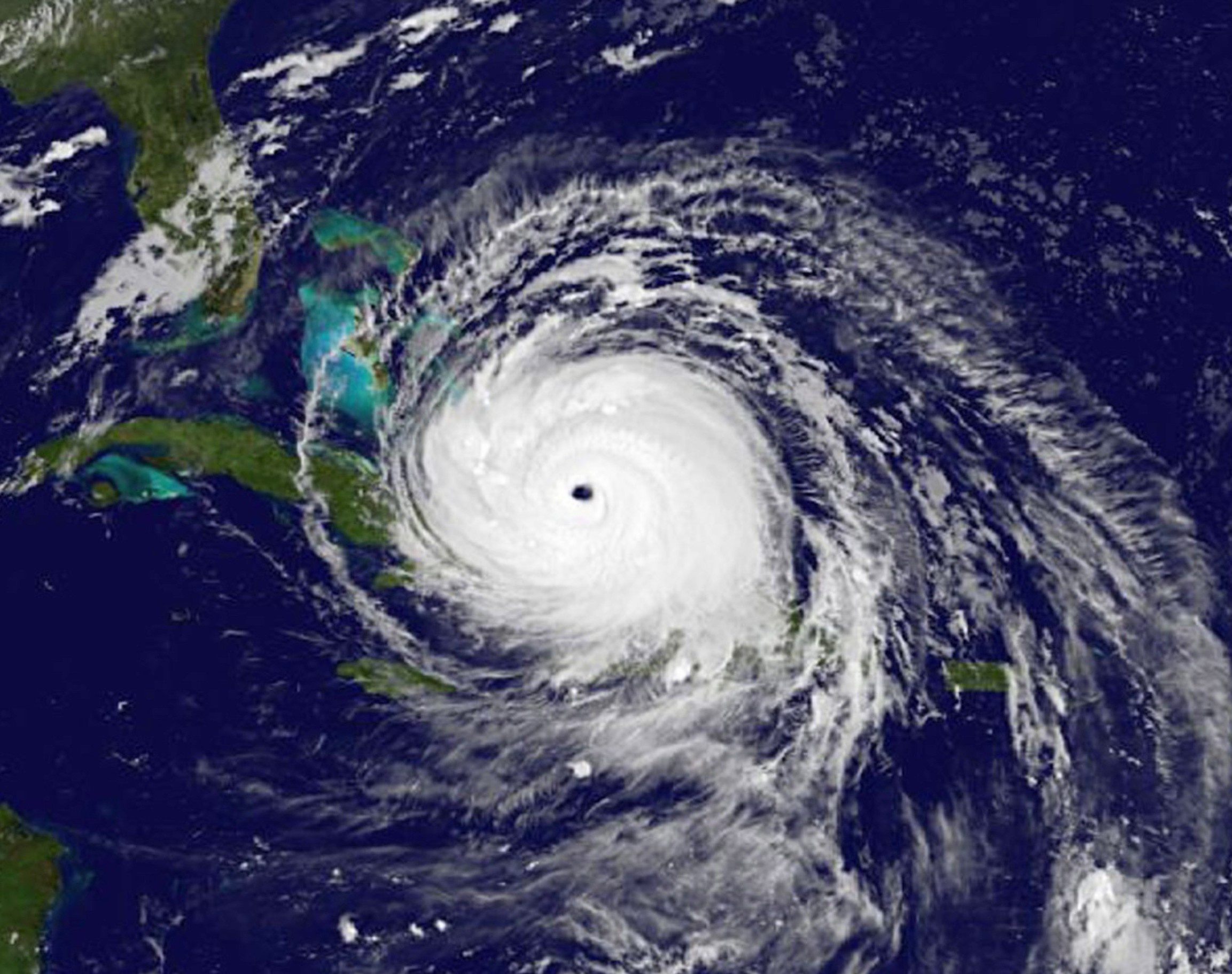
This shift in understanding changes how scientists project hurricane activity. The study suggests that the combination of human emissions drove the sharp increase in Atlantic hurricanes starting around 1990. Because these trends are human-driven rather than cyclical, they won’t simply “reset” on their own.
Diamond noted that the world shouldn’t expect a return to an inactive hurricane era by chance. He stated that the future of human emissions will be the primary driver of Atlantic temperatures and subsequent storm activity.
How did researchers isolate human influence?
The team used a statistical method called rotated low-frequency component analysis (RLFCA) and Python to analyze climate model datasets from 1920 through 2025. This allowed them to separate “slow” signals from “fast” signals.
Freveletti explained that because human emissions build up in the atmosphere over many years, the temperature changes they cause develop gradually. Natural fluctuations happen much faster. By isolating these different speeds of change, the researchers could see that the long-term Atlantic trend was a human signature, not a natural one.
Frequently Asked Questions
Is the AMOC still functioning?
Yes, the Atlantic Meridional Overturning Circulation still exists as a system for redistributing heat, but this study finds it is not the primary driver of the Atlantic’s long-term temperature swings.

Will hurricanes stop if we reduce emissions?
The study indicates that the future of Atlantic temperatures—and thus hurricane activity—depends largely on human emission choices rather than natural cycles.
Why was this mistaken for a natural cycle for so long?
The opposing forces of cooling aerosols and warming greenhouse gases created temperature patterns that mimicked the look of natural ocean oscillations.
Want to stay updated on climate science? Share your thoughts on these findings in the comments below or subscribe to our newsletter for the latest research updates.