

President Lee Jae-myung: The Risks of Micromanagement in Governance
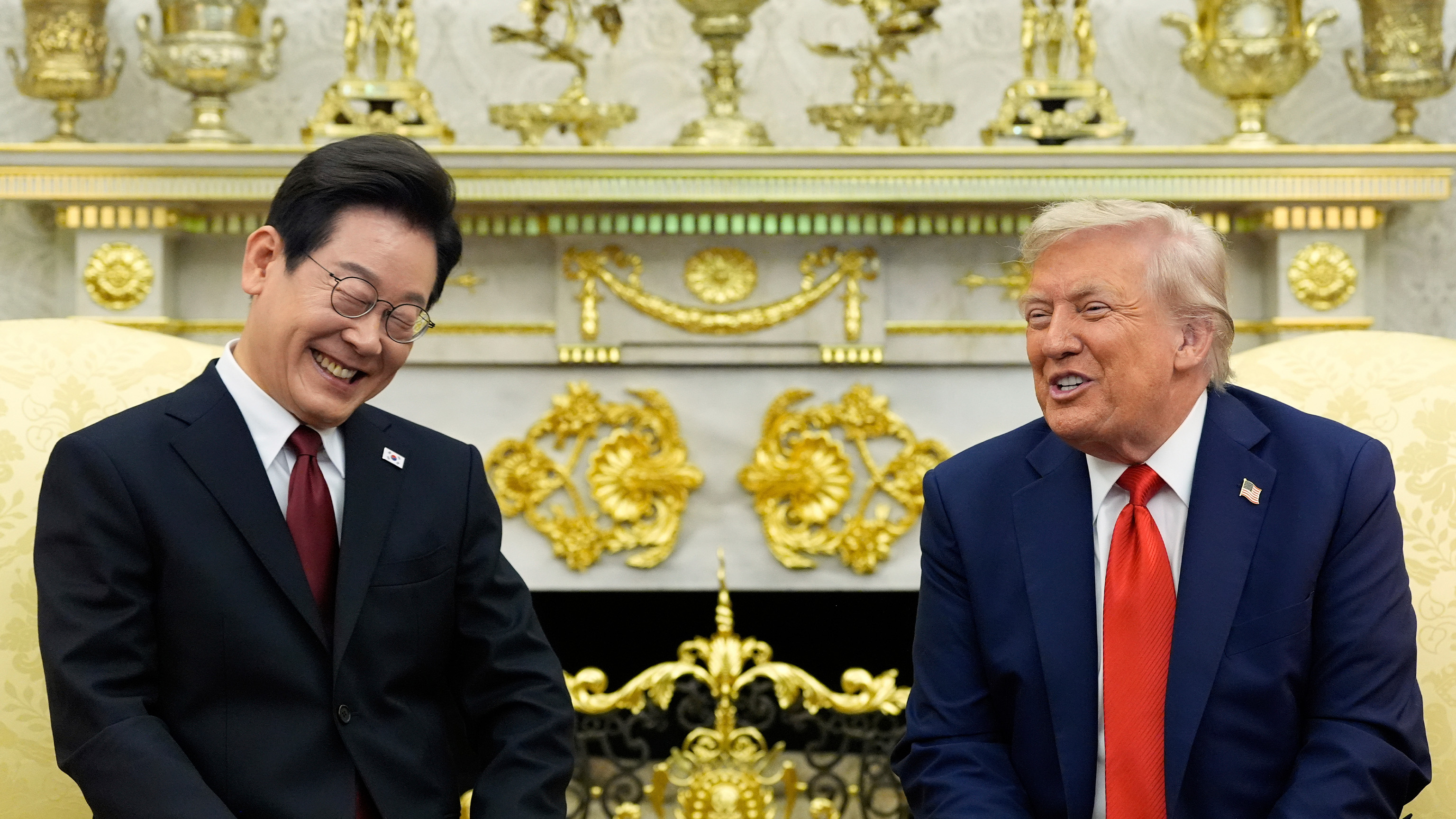
President Lee Jae-myung is distinguished as the first of South Korea’s 14 presidents to have served as both a basic local government head and a regional government head. With 11 years of experience leading municipal and provincial administrations, the President has demonstrated a strong grasp of field operations, numbers, and technical details.
This level of expertise has been evident during ministry reports, town hall meetings, and televised cabinet meetings. Observers suggest this proficiency may be a significant factor in presidential approval ratings remaining higher than those of his political party.
The ‘Mangichinram’ Governance Style
President Lee has become associated with the term mangichinram, referring to a leader who personally attends to all matters of state. His administration is characterized by the President issuing detailed messages and agendas that are often implemented with extreme speed.
These agendas are frequently launched via social media during late-night hours. While the President occasionally asks for public opinion, government officials often begin drafting and executing policies before that feedback is even collected.
Current examples of this approach include the review of an arrest warrant for Israeli Prime Minister Netanyahu and the proposed introduction of a sugar tax. Other areas of focus have included real estate policies, such as discussions on reducing long-term holding special deductions and the expiration of capital gains tax deferrals for multi-homeowners.
Potential Risks of Direct Oversight
Despite the image of an efficient leader, this hands-on approach carries inherent risks. When agendas are launched without sufficient deliberation, the likelihood of unexpected results increases.
One notable instance involved the President specifically directing Superintendent Baek Hae-ryong to be part of an investigation team into drug-related pressure. This directive eventually led to a conclusion of no charges for all involved, highlighting the potential pitfalls of skipping preliminary reports from police experts.
Accuracy has also been a point of contention. Last week, the President stated that most European countries had announced they would arrest Prime Minister Netanyahu upon entry. However, many major European nations are not members of the International Criminal Court (ICC), and only a few have actually made such announcements.
The Shift Toward Selective Oversight
Given the sheer volume of daily issues facing South Korea, total oversight is viewed by some as practically impossible. There are concerns that when a president issues too many specific directives, civil servants may focus exclusively on those tasks to the detriment of other essential duties.
The risk is that more important problems could vanish from the agenda simply because the President did not mention them, while less critical issues are prioritized because they were explicitly ordered.
A possible next step for the administration could be a transition toward “selective” oversight. This approach would involve setting a precise priority list and utilizing refined language after thorough deliberation to ensure the President remains a leader for all citizens without favoring one faction.
Future policy announcements, such as the “Ilbe abolition theory” mentioned during the Starbucks incident, may be more stable if they undergo rigorous internal review before being presented to the public.
Frequently Asked Questions
What does ‘mangichinram’ mean in the context of President Lee’s leadership?
It refers to the President’s style of personally reviewing and directing a vast array of detailed state affairs, often issuing direct orders via SNS or text messages.
What was the outcome of the drug investigation case involving Superintendent Baek Hae-ryong?
Despite the President’s specific directive to include the Superintendent in the investigation team, the case concluded with all parties being cleared of charges.
Why is ‘selective oversight’ suggested as an alternative?
It is suggested to prevent a situation where government officials ignore critical issues because they are too busy fulfilling a high volume of specific, direct orders from the President.
Does a leader’s deep knowledge of detail help or hinder the efficiency of a modern government?