
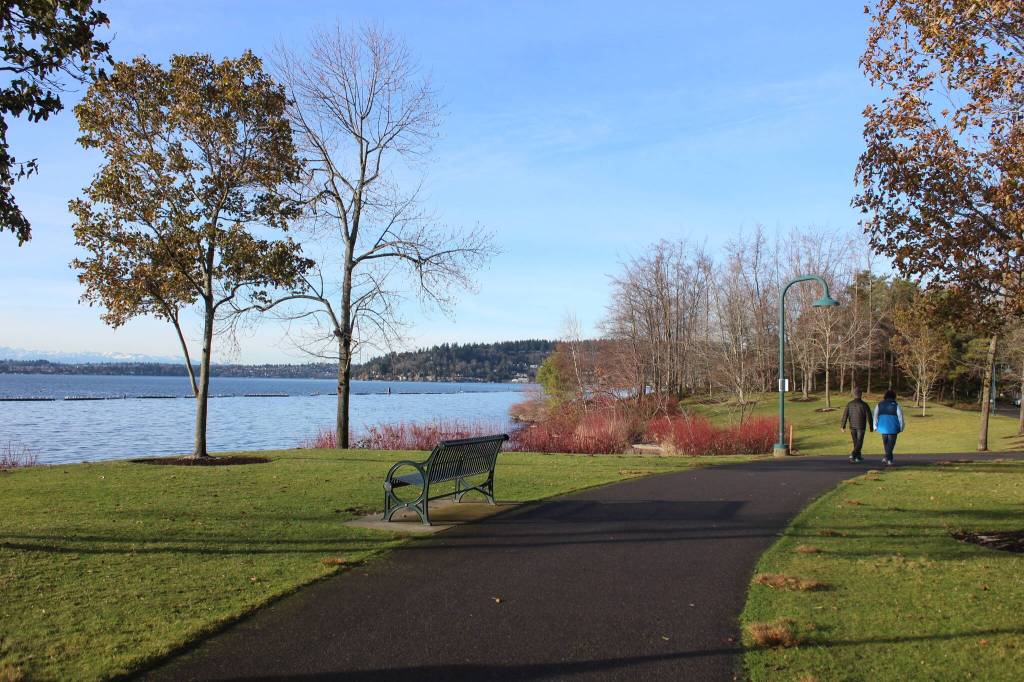
Psych! Gene Coulon Beach is closed again to swimming | May 26
For those looking to hit the water at Gene Coulon Beach, the latest update brings a familiar disappointment. Less than a week after reopening to the public, the beach has been declared unsafe for swimming once again due to high bacteria levels.
Current Water Quality Status
Testing conducted on May 26 revealed that two-thirds of the sampled areas at Gene Coulon Beach exceeded the threshold of 320 colony forming units (CFU) per 100 milliliters. While one section recorded a lower reading of 230 CFU/100 mL, other samples reached 350 CFU/100 mL and 690 CFU/100 mL respectively.
This follows a volatile month for water safety at the site. While testing on May 18 showed a lower average of 27.66 CFU/100 mL, the season’s initial testing on May 11 recorded an average of 5,033.33 CFU/100 mL, with one sample reaching as high as 14,000 CFU/100 mL.
Implications and Next Steps
Gene Coulon Beach is currently joined by Houghton Beach, Matthews Beach, Newcastle Beach, and Pritchard Island Beach on the list of closures. When a beach is shuttered, the county initiates an investigation into the source of the waste, which may involve coordinating with local sewage utilities to rule out leaks or spills.
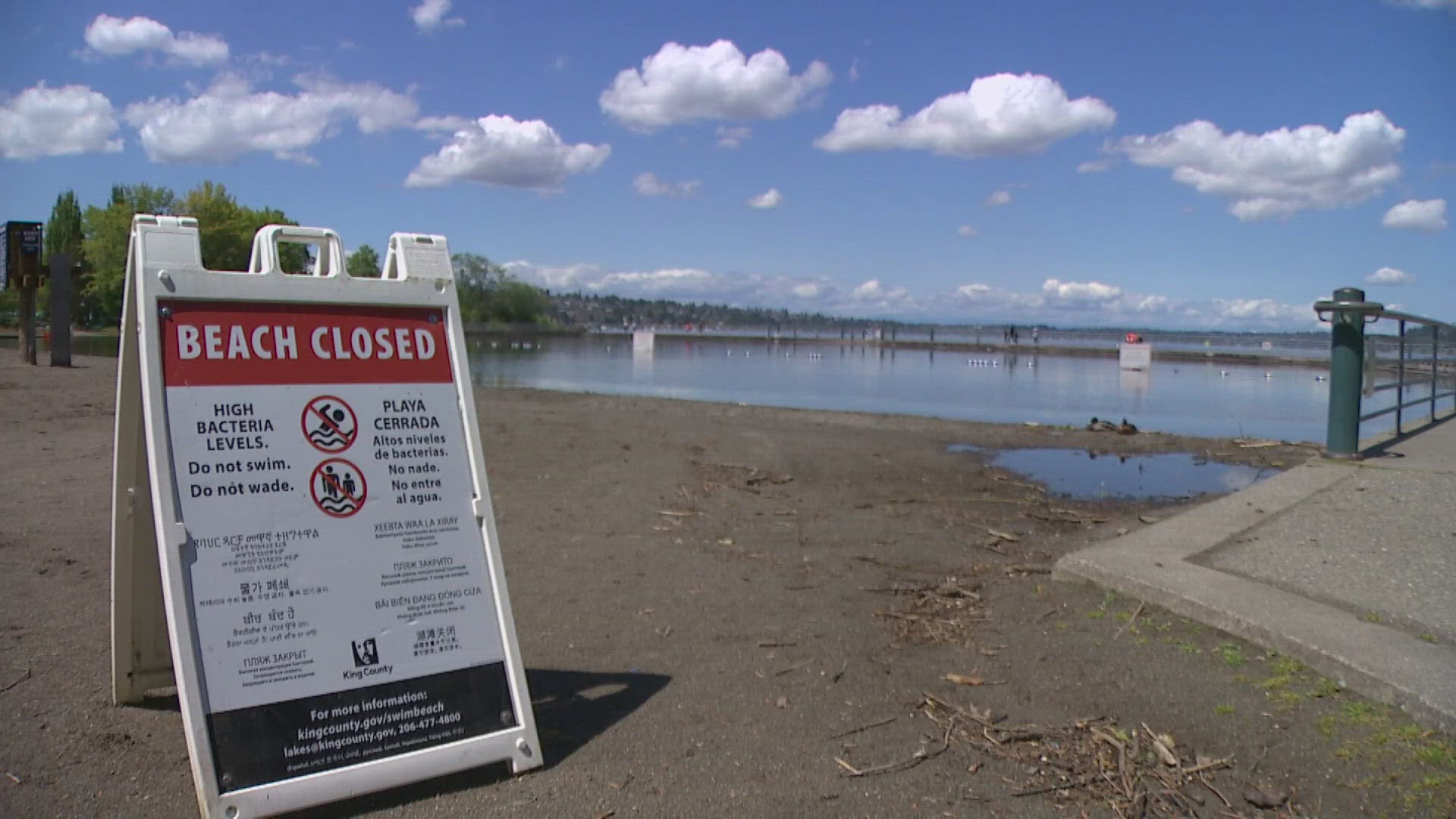
Once the source is identified, potential remediation efforts could include improved park drainage, dock renovations to boost water circulation, or strategies to deter geese—such as utilizing Mylar “scare tape” or trained dogs. Swimmers can expect the beach to remain closed until these measures allow for a return to safe bacteria levels.
Frequently Asked Questions
Why does the county close the beach for swimming?
The beach is closed when testing finds high colony forming units (CFU) of bacteria, which indicates the presence of biological waste from people, pets, or wildlife that could potentially make swimmers ill.
What actions are being taken to keep the water clean?
The county advises beach managers to implement several strategies, including enforcing dog bans, discouraging the feeding of waterfowl, cleaning goose waste from docks, and improving park drainage to prevent runoff from entering the lake.
Where can I find more information on water quality?
For ongoing updates and specific data regarding King County’s swimming beaches, you can visit kingcounty.gov/en/dept/dnrp/nature-recreation/parks-recreation/king-county-parks/water-recreation/swimming-beach-bacteria-temperature.
Given the fluctuating water quality, what steps do you take to verify safety conditions before heading out for a swim?