

Putin Offers Debt Relief to Recruit New Soldiers for Ukraine War
The Price of Power: Why Russia is Trading Debt Relief for Soldiers
For decades, the narrative of the Russian military was built on the bedrock of patriotic duty and the legacy of the Great Patriotic War. But as the conflict in Ukraine drags on, that narrative is shifting. We are witnessing a fundamental transition from a conscription-based mindset to a transactional one.
The recent move by the Kremlin to offer massive debt relief—up to ten million rubles (approximately €119,000)—to new recruits and their spouses is more than just a recruitment drive. This proves a signal of desperation. When a state begins paying off the private debts of its citizens in exchange for frontline service, it is no longer fighting a war of ideology; it is managing a labor shortage in a high-mortality industry.
The “Mercenarization” of the State Army
We are seeing the “Wagnerization” of the official Russian Armed Forces. By offering high one-time premiums, preferred university admissions, and now comprehensive debt forgiveness, Moscow is effectively treating its regular army like a private military company (PMC).
This trend suggests a dangerous future precedent. When soldiers are recruited via financial incentives rather than national service, their loyalty is tied to the payment, not the cause. If the funds dry up or the bonuses stop, the motivation for high-risk operations vanishes.
the extension of land lease rights for fighters indicates that the Kremlin is trying to create a new class of “military landed gentry,” tying the soldiers’ future prosperity directly to the survival of the current regime. For more on how war economies shift, see our analysis on the impact of sanctions on domestic labor.
The Math of Attrition: A Sustainable Strategy?
The numbers coming from organizations like the Center for Strategic and International Studies (CSIS) are staggering. With estimates of Russian casualties—killed, wounded, or missing—surpassing 1.2 million, the scale of loss is historically unprecedented for a modern superpower since World War II.
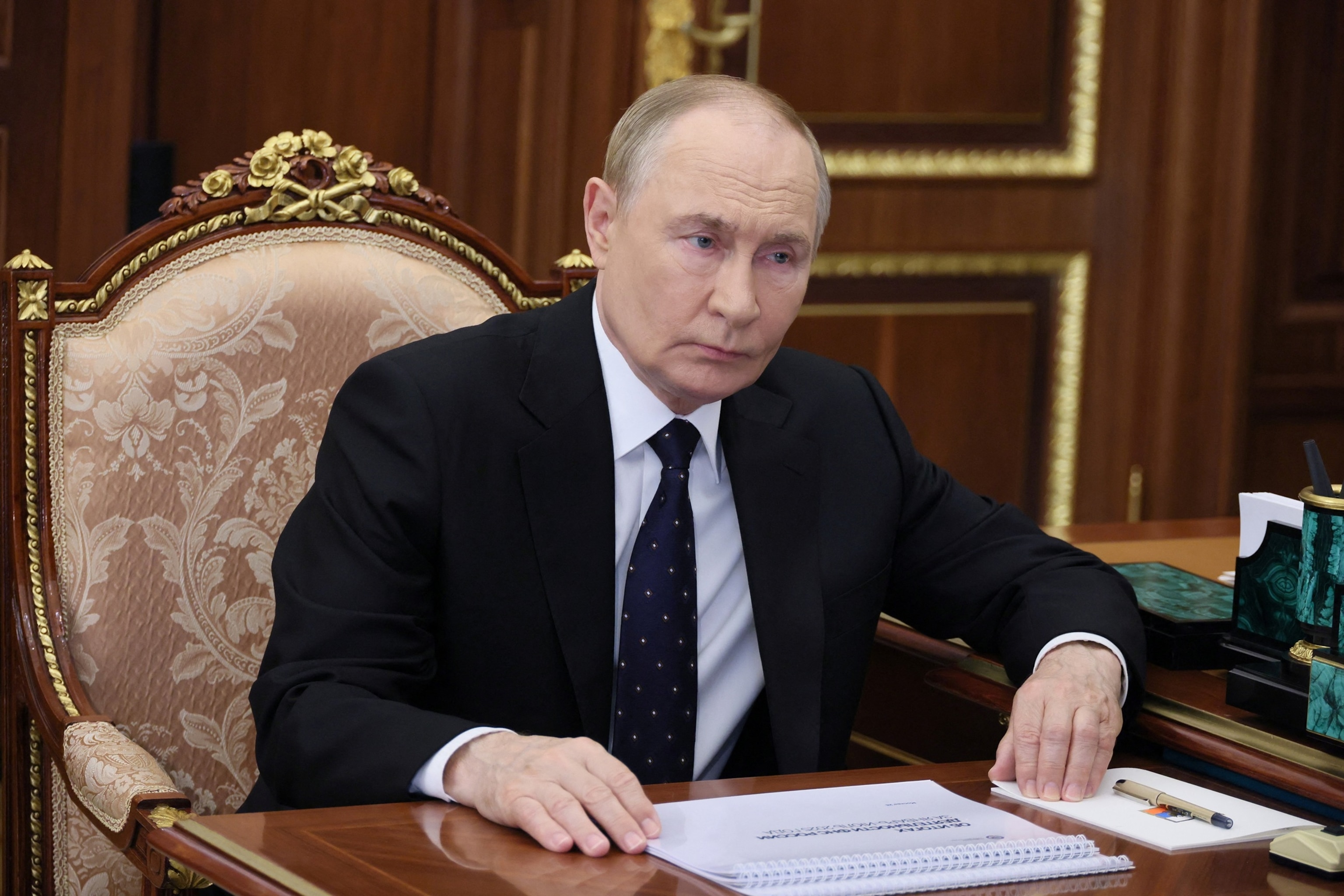
The trend here is clear: Russia is betting that its demographic depth and financial reserves can outlast the West’s political will. However, the shift toward “voluntary” contracts that are legally indefinite means that once a soldier enters the system, they are effectively trapped. The “exit” is now limited to death, severe injury, or old age.
The Globalized Frontline: Importing Manpower
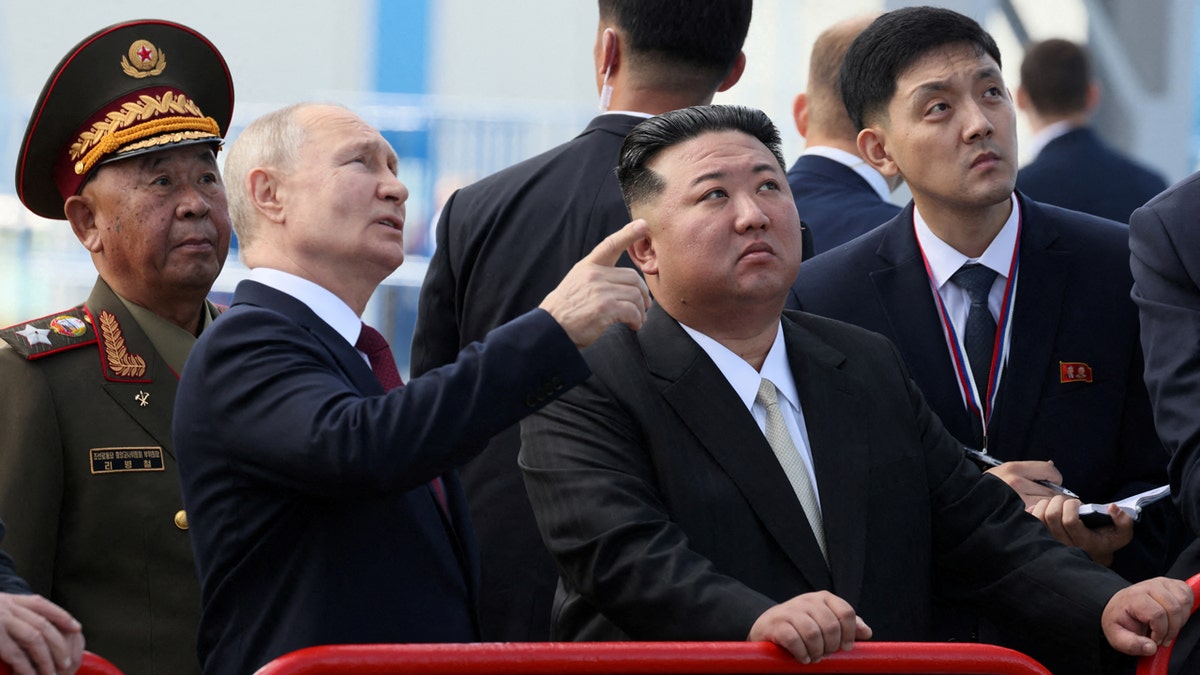
Perhaps the most alarming trend is the internationalization of the Russian ranks. When domestic incentives aren’t enough, Moscow has looked abroad. Reports suggest up to 20,000 foreign fighters from over 100 countries are now integrated into the Russian military machine, with North Korea reportedly contributing at least 15,000 troops.
This marks a pivot toward a “Global South” recruitment strategy. By leveraging diplomatic ties and offering hard currency to soldiers from struggling economies, Russia is creating a multinational proxy force. This reduces the political risk of high casualties among ethnic Russians, which could trigger domestic unrest, while maintaining the necessary “meat” for attrition-based offensives.
The Cycle of Retaliation and Strategic Escalation
The tactical landscape is also evolving into a predictable, yet deadly, cycle of “action-reaction.” The recent attacks on Kyiv following the strike on Starobilsk demonstrate a strategy of systemic pressure. The use of new weaponry, such as the Oreschnik medium-range missile, suggests that Russia is no longer just fighting for territory, but is actively testing the boundaries of Western deterrence.
The trend we should expect is an increase in “decision-center” targeting. By threatening foreign diplomats and attacking infrastructure in the heart of the capital, Moscow is attempting to signal that no one is safe, hoping to force a diplomatic concession from a fatigued international community.
Summary of Future Trends to Watch
- Financialization of Service: Expect more creative financial incentives, such as pension guarantees or tax exemptions for families.
- Dependence on Allies: A deepening reliance on North Korean and potentially Iranian manpower or technical support.
- Asymmetric Escalation: More frequent use of “novel” weaponry to maintain psychological dominance over the battlefield.
Frequently Asked Questions
Why is Russia offering debt relief to soldiers?
To attract new recruits without declaring a full-scale, unpopular mobilization. It targets the economically vulnerable who see military service as the only way to escape crushing debt.
How many Russian soldiers have been lost in the conflict?
While official numbers are hidden, NATO and CSIS estimates suggest total casualties (killed and wounded) have exceeded 1.2 to 1.3 million.
What is the significance of North Korean troops in Russia?
It shows that Russia is struggling to maintain its own manpower levels and is willing to trade political or military favours for foreign boots on the ground.
Is the Russian military still using conscripts?
Yes, though the focus has shifted toward “voluntary” contracts. However, these contracts are now often indefinite, making them conscription in all but name.
Join the Conversation
Do you think financial incentives can sustain a long-term war effort, or is Russia hitting a demographic wall? Let us know your thoughts in the comments below or subscribe to our newsletter for deep-dive geopolitical intelligence.