
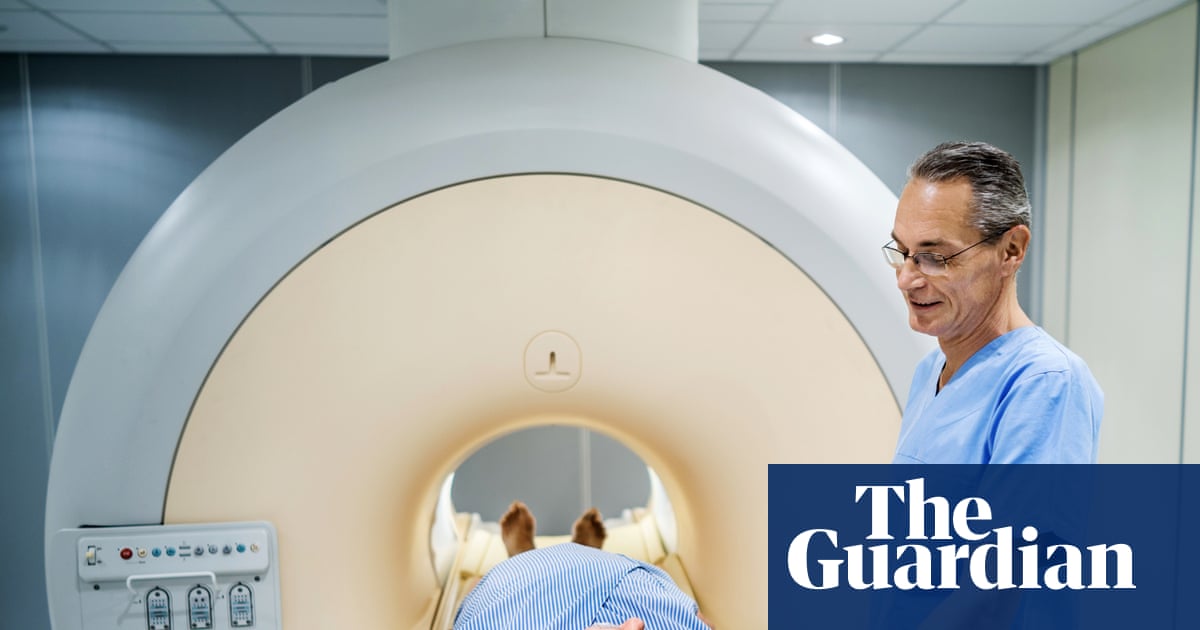
Record number of people waiting for NHS diagnostic tests in England | NHS
A record 1.92 million patients in England are currently waiting for NHS diagnostic tests, according to an analysis of diagnostic services. More than 400,000 people—one in five on the waiting list—have waited longer than the six-week maximum for essential scans and tests, triggering fears that delays in CT and MRI scans could endanger patient health.
Why are NHS diagnostic waiting lists increasing?
Demand for diagnostic tests is currently outstripping the ability of the NHS to meet it. Marlen Suller, managing director for clinical diagnostics at the health technology firm Magentus, attributes this growth to an ageing population and an increase in people living with long-term health conditions.
Suller also noted that a push for the earlier diagnosis of disease is driving higher demand. This surge persists even as the NHS carries out record numbers of tests and scans, totaling 2.61 million in March alone.
Which tests have the longest delays?
The 1.92 million people on the waiting list as of March include significant numbers of patients awaiting specific imaging. Ultrasound scans represent the largest group with 674,100 people waiting.
Other high-demand tests include MRI scans, with 394,913 patients waiting, and CT scans, with 207,524 patients. The list also encompasses bone scans, hearing assessments, and various tests for cancer.
What are the risks for patients waiting for diagnosis?
Delays can lead to deteriorating health and increased anxiety. Rachel Power, chief executive of the Patients Association, warned that without a diagnostic test to kickstart treatment, conditions can worsen and early-stage illnesses may become harder to treat.
A report by Magentus found that patients in areas with the longest waiting lists face unusually long delays for heart problem treatments or cancer diagnoses. Specifically, those in integrated care board areas with the highest proportion of six-week waits are almost six times more likely to miss the NHS 28-day target for cancer diagnosis.
How does this compare to other NHS backlogs?
The rise in diagnostic waiting lists stands in sharp contrast to progress in other areas. The NHS recently reduced the backlog for planned hospital care to 7.1 million, which was 500,000 fewer than in July 2025.
Despite this improvement in general hospital care, diagnostic wait times have risen. Rachel Power noted that median waiting times have increased by more than half since the period before the pandemic.
What could happen next to improve services?
Marlen Suller has urged NHS leadership to overhaul diagnostic services to better manage the rising demand. Possible next steps could include making better use of existing capacity and testing patients faster.
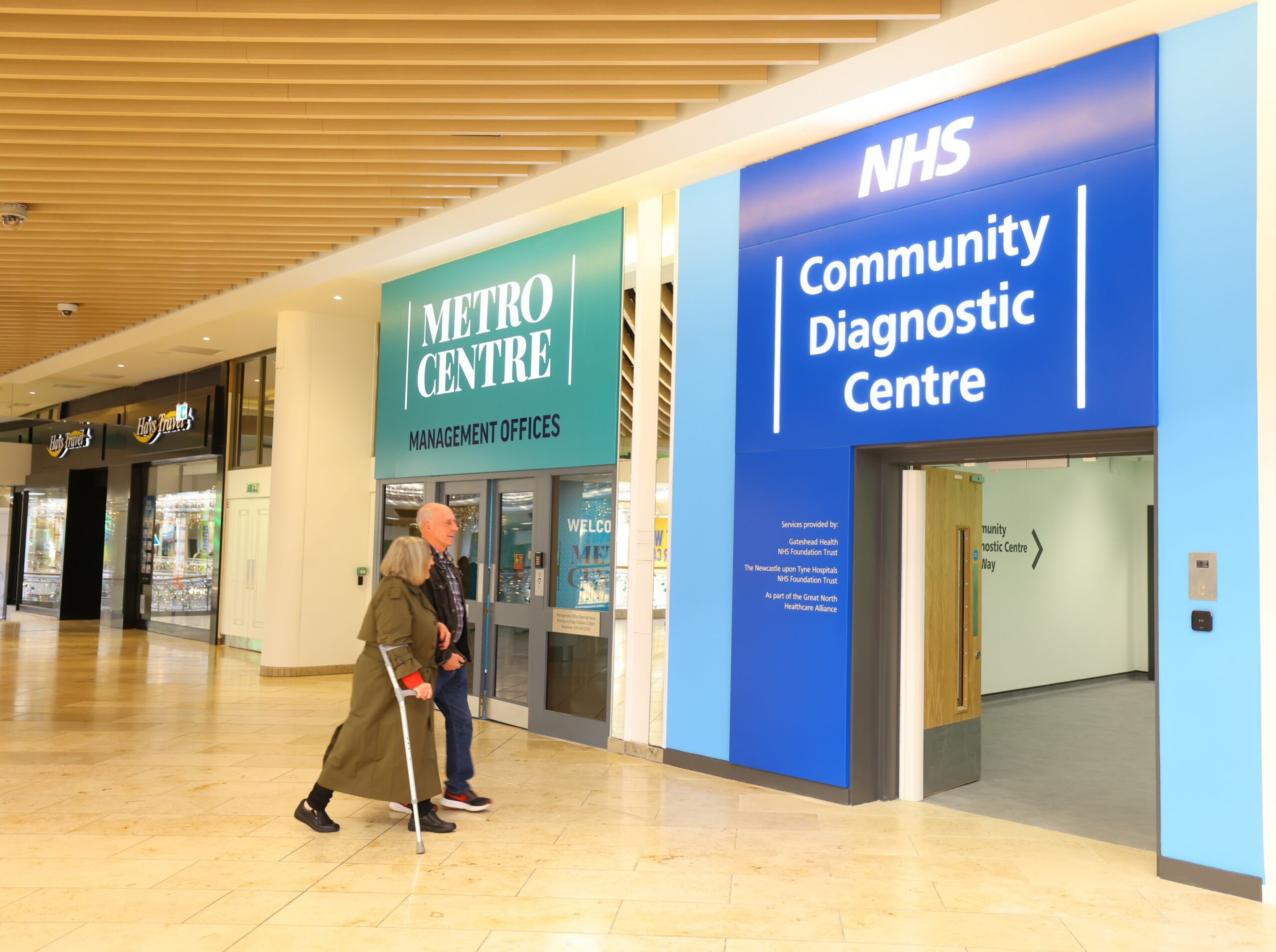
Suller suggested that providing clearer information to patients and using financial incentives to drive improvement may be necessary. Meanwhile, NHS England is continuing to expand or enhance community diagnostic centres to make tests easier to access across England.
Frequently Asked Questions
How many people are currently waiting for a diagnostic test in England?
As of March, a total of 1.92 million patients are on the waiting list.
What is the NHS target for diagnostic waiting times?
The supposed maximum waiting time for these tests is six weeks, though more than 400,000 people are currently waiting longer than this period.
Which diagnostic tests have the highest number of patients waiting?
Ultrasound scans have the highest number of waiting patients at 674,100, followed by MRI scans (394,913) and CT scans (207,524).
Do you believe community diagnostic centres are the most effective way to reduce waiting times?