

Research Uncovers Inheritance Patterns Defying Mendel
A study published May 20 in Nature Genetics found that 7% of epigenetic marks in mice are inherited in ways that defy Mendel’s laws of genetics. Led by Andrew Feinberg of Johns Hopkins University, the research identifies “emergent” traits and paramutation in mammals, suggesting environmental pressures can alter traits faster than DNA mutations.
How do non-Mendelian epigenetic patterns change inheritance?
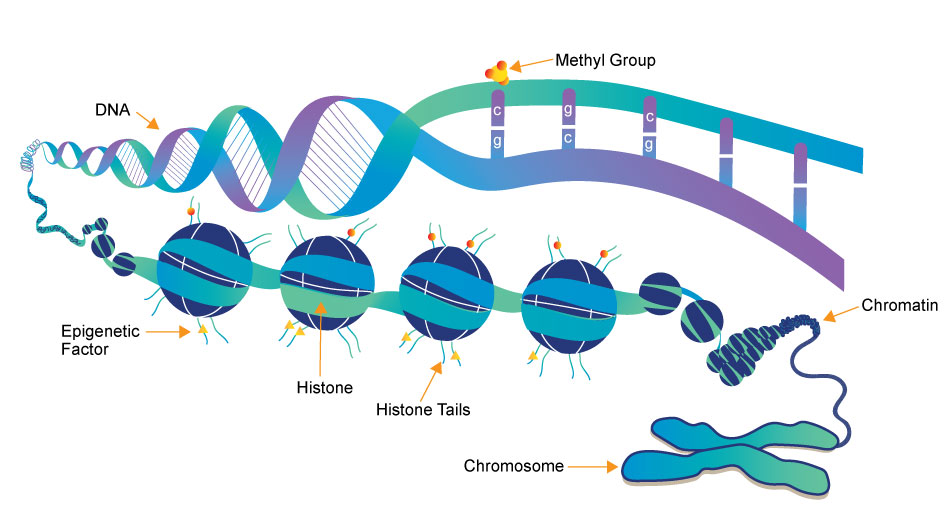
Standard genetic rules, known as Mendel’s laws, dictate that offspring inherit alleles from each parent, with dominant traits prevailing over recessive ones. However, researchers found 522 instances where DNA methylation—chemical tags that turn genes on or off—broke these rules, according to the study published in Nature Genetics.

Andrew Feinberg, Bloomberg Distinguished Professor at Johns Hopkins, noted that these patterns provide a faster route for species to acquire new traits. This happens without altering the actual genomic sequence, allowing animals to respond more quickly to environmental pressures like diet or stress.
The team discovered 54 “emergent” types of inheritance. In these cases, methylation appeared in offspring even when neither parent possessed the mark. Feinberg described this phenomenon as methylation that “seemingly appeared out of nowhere.”
What is paramutation and its link to infertility?
The research identified a rare process called paramutation in the Capn11 gene, which regulates sperm development. Paramutation occurs when methylation on one allele triggers methylation on another allele, effectively transferring the chemical mark, according to Feinberg.
This finding is significant because alterations in the human version of the Capn11 gene are linked to infertility and sperm malfunctions. Because the paramutation occurred in an area of the gene influenced by environmental exposure, it suggests a direct link between external stress and reproductive health.
The role of environmental pressures
Feinberg linked these epigenetic shifts to external factors. He noted that environmental stress, trauma, and diet can influence the genome’s epigenetic marks, which may then be passed to future generations regardless of the underlying DNA code.
How does this research impact future medical diagnostics?
Kasper Hansen, professor of biostatistics at the Johns Hopkins Bloomberg School of Public Health, stated that these findings may push scientists to integrate genomics and epigenomics more frequently. This combined approach is necessary to fully understand how both healthy states and diseases are inherited.
The study tracked three generations of mice—26 in the first group, 34 in the second, and 19 in the third—to map how these 12 known inherited patterns of DNA methylation behaved. The result shows that non-Mendelian inheritance is more frequent than previous studies suggested.
Feinberg plans to apply these findings to human genomic data. This could help clinical geneticists identify disease patterns in families that don’t follow traditional inheritance paths, potentially uncovering why some offspring develop conditions that neither parent genetically “carries.”
Frequently Asked Questions
What is the difference between genetics and epigenetics?
Genetics refers to the actual DNA sequence (the code). Epigenetics involves chemical modifications, like methylation, that act as switches to turn those genes on or off without changing the code itself.
What are Mendel’s laws?
These are the foundational rules of inheritance stating that traits are passed from parents to offspring via alleles, where dominant alleles mask recessive ones.
Why is the Capn11 gene important?
According to the study, Capn11 regulates sperm development. When this gene is altered, it can lead to infertility in humans.
Do you think environmental factors like diet should change how we screen for hereditary diseases? Share your thoughts in the comments or subscribe to our newsletter for more updates on genomic breakthroughs.