
Responsible Ownership: The Key to Rehabilitating Aggressive Dog Breeds
In Sassari, Sardinia, veterinary officials are attributing a rise in dog aggression to poor owner management rather than specific breeds. Dr. Andrea Sarria, president of the Order of Veterinarians of North Sardinia, states that “responsible ownership” and mandatory training for owners are essential to prevent attacks and potential criminal consequences.
Episodes of aggression are becoming more frequent in the region, according to Dr. Sarria. He noted that dogs involved in these incidents are often with a caretaker rather than the primary owner. In May, two pitbulls killed a small dog named Ciop.
Following such attacks, the ASL and law enforcement coordinate to place the animal under health observation. This process excludes rabies or neurological pathologies, Dr. Sarria said. Officials then perform a danger assessment based on the individual animal rather than its breed, as Sarria maintains that identifying specific “dangerous breeds” is incorrect.
Why is owner education critical for dog behavior?
The behavior of dogs, particularly molossoid breeds, reflects the management of the owner, according to Dr. Sarria. He argues that these dogs must be acquired with awareness. If owners lack a sense of responsibility, they must undergo training to avoid surprises and legal penalties.

Training is mandatory for the owner to ensure the dog is properly adapted to the family context. Dr. Sarria emphasized that owners must stop treating dogs as toys for children.
How does the rehabilitation process work?
Rehabilitation begins with a behavioral veterinarian and a cynological instructor. This mandatory training period can last for years and follows the Martini ministerial ordinance, according to Dr. Sarria.
For “biting dogs”—which differ from “aggressive dogs” that show hostility without biting—experts use desensitization. This technique involves distracting the dog from a potential target to prevent an attack. In the worst cases, euthanasia remains the final option, though officials seek to avoid it.
Case Study: Recovering High Aggression
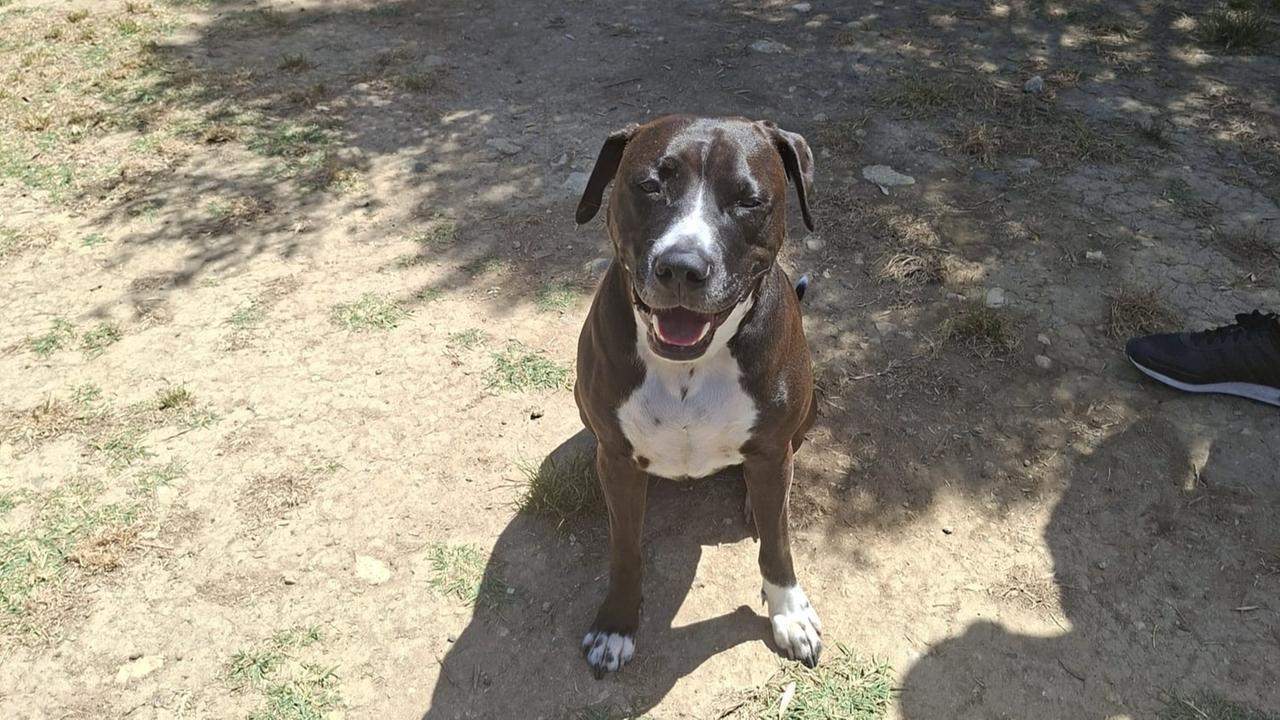
Barbara Sanna spent a year working with her four-year-old pitbull, Dior, and cynological educator Patrizia Prisco. Prisco stated that Dior initially exhibited high aggression and prevented anyone from entering the home or her specific room because she had not been educated as a puppy.
Prisco identified the pitbull’s natural tendencies as possessiveness, dominance, and predatory will. She noted that while these dogs can “self-manage” if left alone, they can be controlled if those profiles are kept low. Prisco cautioned that these breeds should not be entrusted to just anyone.
Sanna reported that the process required her own personal change. She transitioned from being unable to put a leash on the dog to participating in agility and Rally-o, an obedience discipline based on play. This recovery involved intense work, “homework,” and periods of physical release.
What may happen next for aggressive dogs in Sassari?
Animals identified as dangerous may face a continued period of mandatory training under the supervision of behavioral specialists. If owners fail to adhere to responsibility standards, they could face criminal charges.
Future cases of aggression may lead to increased scrutiny of “caretakers” versus “owners,” as Dr. Sarria has already observed a pattern of incidents occurring when the primary owner is absent. The continued application of the Martini ordinance is likely to remain the standard for desensitization protocols.
Frequently Asked Questions
Are certain dog breeds inherently dangerous?
According to Dr. Andrea Sarria, identifying breeds as dangerous is wrong; danger assessments must be based on the individual subject.
What is the difference between an aggressive dog and a biting dog?
Dr. Sarria defines aggressive dogs as those showing hostility without biting, while biting dogs are those that have actually committed a bite and require desensitization.
Can a dog with high aggression be recovered?
Yes. Educator Patrizia Prisco states that no dog is irrecuperable, provided the owner is willing to change and the dog receives consistent training and behavioral observation.
Do you believe owner certification should be mandatory for certain dog breeds?