
RSV in Romania: High Hospitalization Rates Among Children and Calls for Expanded Vaccination Access
In Romania, the respiratory syncytial virus (RSV) accounts for 63% of acute respiratory infections in infants and 51% of hospitalizations for children under 5, according to a report by Revista Politici de Sănătate. The virus, which spreads through respiratory droplets and can survive on surfaces for hours, is four times more contagious than influenza and affects vulnerable groups including newborns, children under 2, and the elderly.
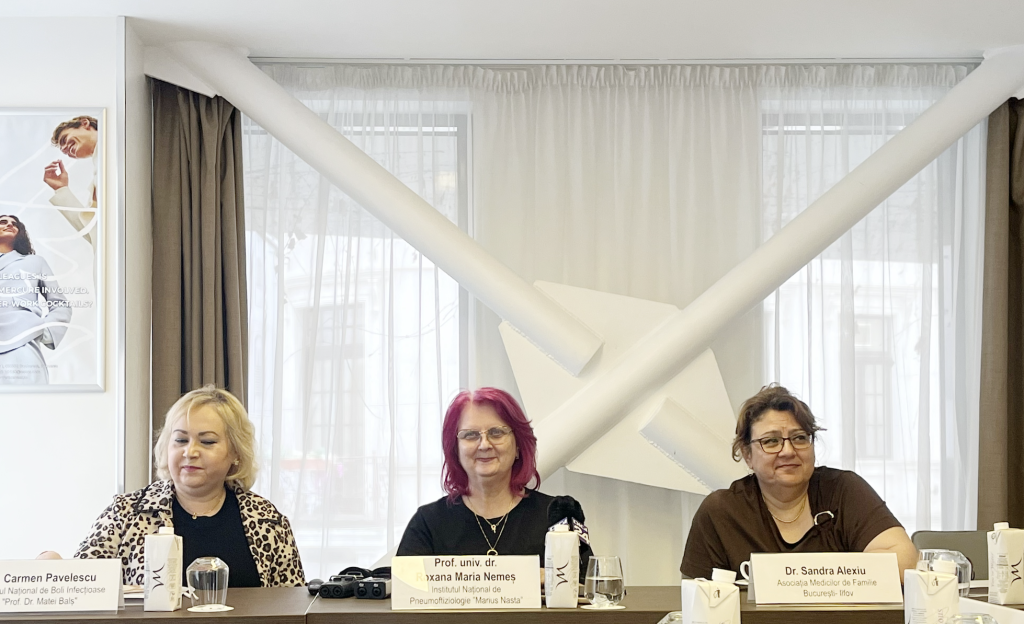
Prof. Univ. Dr. Roxana Maria Nemeș, a pediatric pulmonologist at the National Institute of Pneumoftiziologie “Marius Nasta,” highlighted that 90% of children will contract RSV by age 2, with 1 in 5 requiring outpatient care and 1 in 50 needing hospitalization. Despite low mortality rates in high-income countries, fatal cases can occur even in previously healthy infants. Globally, the WHO estimates RSV causes over 60% of acute respiratory infections in children and 80% in infants under 1 year.
Why This Matters
RSV’s impact is particularly severe in Romania, where 51% of hospitalized children with the virus are under 5. Newborns face a threefold higher risk of intensive care admission compared to older children, with 27% of neonatal ICU admissions linked to RSV. Dr. Carmen Pavelescu, a pediatric infectious disease specialist at Carol Davila University, noted that RSV can rapidly progress from mild symptoms to life-threatening conditions like severe bronchiolitis or pneumonia within 24–48 hours.
Experts emphasize that 70% of RSV cases occur in full-term, healthy infants, challenging the assumption that only high-risk groups are affected. Dr. Sandra Alexiu, president of the București-Ilfov Family Doctors Association, called for expanded prevention strategies, including maternal vaccination during pregnancy and passive immunization with monoclonal antibodies to protect newborns in their first RSV season.
What May Happen Next
Romanian healthcare officials are considering updates to Law No. 95 to expand access to RSV prevention measures, aligning with practices in 16 European countries that offer free passive immunization. A 2025 EHMA study of 96 clinicians across France, Germany, Italy, and Spain found that passive immunization reduced pediatric and ICU bed occupancy by 100%, shortened hospital stays, and eased staffing pressures. However, Romania’s current program only covers specific high-risk groups, leaving broader populations unprotected.

If legislation is revised, experts suggest it could ease strain on healthcare systems during RSV season. However, implementation challenges, including logistical and financial constraints, may delay widespread adoption. Analysts note that aligning with European standards could improve outcomes but would require sustained political and institutional commitment.
Frequently Asked Questions
What is RSV? Respiratory syncytial virus (RSV) is a common, highly contagious virus that causes acute respiratory infections, particularly in infants and young children.
How effective is passive immunization? A 2025 study showed passive immunization reduced ICU bed occupancy by 100% and eased staffing pressures in four European countries.
Why is RSV a concern for healthy infants? Over 70% of RSV cases occur in full-term, healthy infants, with severe complications possible even in those without preexisting conditions.
What steps could Romania take to align with European RSV prevention strategies?