
Russia Targets Vulnerable Groups for Forced Military Recruitment in Penza
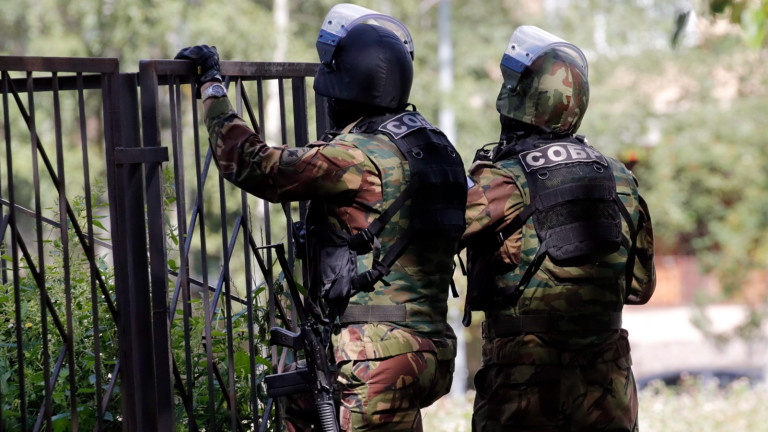
Russian security forces in the city of Penza are reportedly forcing men from socially vulnerable groups to sign contracts with the Ministry of Defense for the war in Ukraine, according to the BBC and the human rights project “Gibaj si.” This shift in recruitment tactics targets unemployed individuals, those with criminal records, and parents failing to pay child support to fill front-line gaps.
Why is Russia targeting vulnerable populations for recruitment?
The shift toward “socially vulnerable” groups comes as traditional recruitment pools dry up. According to BBC analysis, the supply of prisoners and volunteers attracted by high salaries is gradually exhausting. To maintain troop levels without a formal mobilization decree, authorities are now leveraging police pressure against those with the least social capital.
Ivan Chuvilyaev, a representative of the project “Gibaj si,” told the BBC that security forces have expanded their operations. The project, which helps recruits leave the army, is officially labeled a “foreign agent” by the Russian government. Chuvilyaev states that previous tactics used against conscripts are now combined with the targeting of the unemployed and those with criminal histories.
How do official police reports differ from human rights claims?
There is a sharp contrast between the narrative provided by local law enforcement and the reports from activists. After several social media posts highlighted the forced recruitment, Penza police described the events as a “planned action.” They claimed the operation targeted only migrants who had received Russian citizenship but failed to register for military service.

However, “Gibaj si” reports a much wider net. Their data indicates that the operations are not limited to migrants. Instead, police are focusing on specific “at-risk” profiles:
- Unemployed citizens.
- Individuals with active criminal records.
- Debtors, specifically those avoiding child support payments.
What happens next with Russian mobilization trends?
Current trends suggest that these localized police actions will increase across other Russian regions. The BBC reports that the Kremlin is unlikely to order another wave of general mobilization before the autumn elections for the State Duma to avoid widespread public unrest.
This creates a reliance on “hidden mobilization.” By using police pressure on the marginalized, the state can increase troop numbers without the political fallout of a national draft. This method shifts the burden of the conflict onto the most economically precarious members of society.
Frequently Asked Questions
Who is being targeted in the Penza recruitment drives?
According to “Gibaj si,” the targets include the unemployed, people with criminal records, and those who do not pay child support. Local police claim they are only targeting unregistered migrants with Russian citizenship.
Why isn’t Russia using a general mobilization?
The BBC suggests the Kremlin wants to avoid the political instability of a general draft ahead of the State Duma elections.
What is the role of “Gibaj si”?
It is a project that assists soldiers and recruits in legally leaving the military. Because of its work, the Russian government has designated it as a “foreign agent.”
Stay informed on global security trends. Do you think localized pressure will replace national mobilization? Share your thoughts in the comments below or subscribe to our newsletter for deep-dive reports.