

Russian official warns Europe to brace for more drone incidents after Romania episode
Beyond the Border: The Rise of ‘Accidental’ Drone Warfare
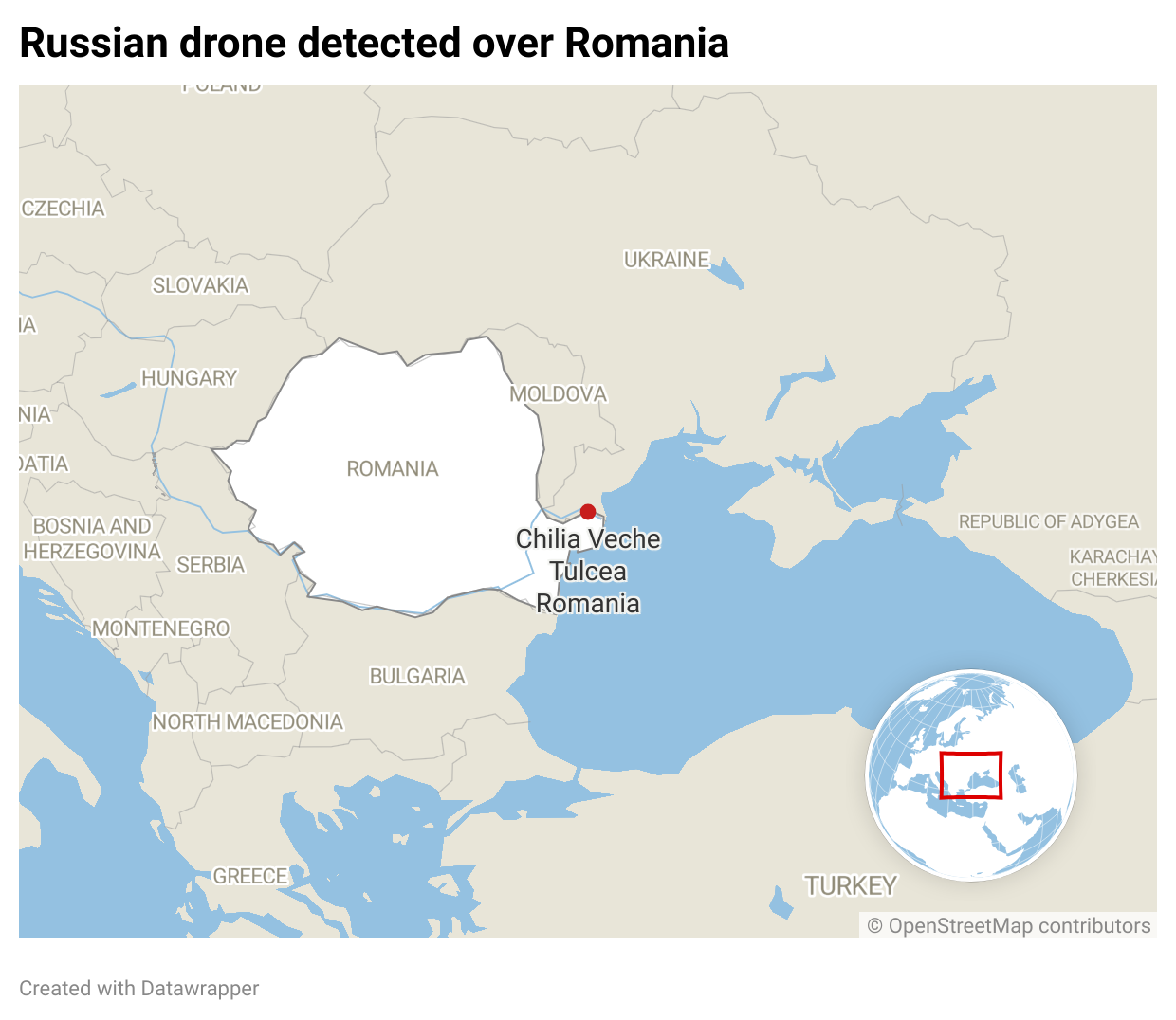
The recent warnings from the Kremlin regarding drones “straying” into European airspace aren’t just isolated threats—they are signals of a fundamental shift in modern conflict. We are entering an era of “Gray Zone” warfare, where the line between a technical malfunction and a deliberate provocation is intentionally blurred.
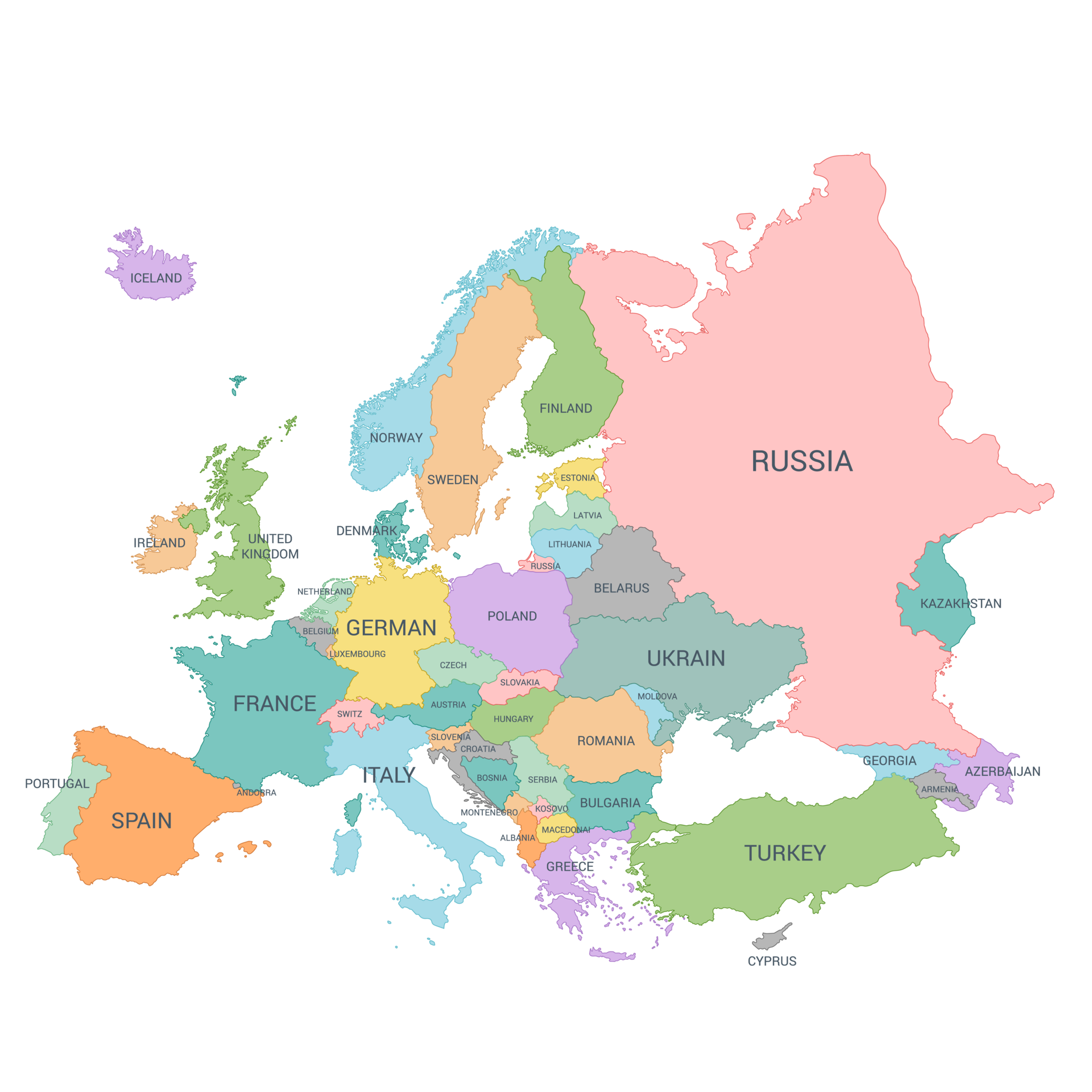
For decades, traditional warfare relied on clear breaches of borders. Today, the unmanned aerial vehicle (UAV) has become the perfect tool for strategic ambiguity. By allowing drones to drift into NATO territory, an aggressor can test response times, map radar gaps, and exert psychological pressure without immediately triggering a full-scale military escalation.
The Psychology of Insecurity: Why ‘Peaceful Sleep’ is the Target
When officials suggest that European populations will “no longer sleep peacefully,” they aren’t talking about physical destruction alone. They are talking about psychological attrition. The goal is to create a persistent state of anxiety among civilians in countries that previously felt insulated from the horrors of war.
This tactic mirrors the “salami slicing” strategy—small, incremental provocations that, on their own, don’t justify a world war, but collectively shift the geopolitical landscape. When a drone hits an apartment block in a NATO member state, the objective isn’t necessarily to destroy the building, but to force the local population to question the efficacy of their government’s protection.
We’ve seen similar patterns in other global hotspots. From the Baltic states to the South China Sea, the use of “unintentional” incursions serves to normalize the presence of foreign military hardware in sovereign airspace.
The Shift Toward Asymmetric Pressure
As traditional diplomacy fails, asymmetric pressure becomes the primary language of communication. By targeting the “peace of mind” of the EU citizenry, Russia aims to create internal political pressure on European leaders to scale back military aid to Ukraine in exchange for a return to stability.
Targeted Logistics: Will Drone Factories Become the New Frontline?
One of the most concerning trends is the explicit mention of drone production sites. For years, the “frontline” was a geographic coordinate in Eastern Europe. Now, the frontline is wherever the supply chain exists.
If drone manufacturing hubs within the EU are viewed as legitimate military targets, we could see a surge in “deep strike” capabilities. This would force NATO countries to divert massive resources away from the border and toward the protection of industrial zones deep within their own territories.
Real-world data suggests this is already happening. European nations are rapidly increasing their investments in counter-UAS (Unmanned Aircraft Systems) technology, shifting from heavy, centralized missile batteries to distributed, AI-driven detection networks.
NATO’s Strategic Tightrope: Response vs. Escalation
The core dilemma for NATO is the “Response Gap.” If a single drone crashes into a residential area, does that constitute an “armed attack” under Article 5? If NATO responds too aggressively, they risk an all-out war. If they respond too weakly, they signal that their borders are porous and their resolve is crumbling.
Future trends suggest NATO will move toward a “Layered Deterrence” model. This involves:
- Kinetic Interception: Using low-cost lasers or electronic jamming rather than expensive missiles.
- Diplomatic Tit-for-Tat: Closing consulates or imposing targeted sanctions, as seen in recent diplomatic spats.
- Intelligence Sharing: Creating a real-time, pan-European drone tracking map to remove the “plausible deniability” of stray aircraft.
For more on how international law is evolving to meet these threats, check out our analysis on the evolution of sovereignty in the digital age.
Frequently Asked Questions
What is “Gray Zone” warfare?
It’s a space between traditional diplomacy (peace) and open military conflict (war). It involves activities like cyberattacks, disinformation, and “accidental” border incursions designed to achieve strategic goals without triggering a full-scale war.
Can a drone strike trigger NATO’s Article 5?
Technically, yes, as Article 5 covers “an armed attack.” However, the political reality is more complex. NATO leaders must decide if a single “stray” drone is a mistake or a deliberate act of aggression before deciding on a collective military response.
How do countries stop “stray” drones?
Modern defenses use a combination of radar for detection, electronic jamming to break the drone’s link with its operator, and “hard-kill” measures like anti-aircraft guns or laser weapons.
Join the Conversation
Do you believe NATO should respond more aggressively to airspace incursions, or is strategic patience the only way to avoid a larger conflict?
Share your thoughts in the comments below or subscribe to our Geopolitical Intelligence newsletter for weekly deep dives.