

Sam Altman Admits AI Job Loss Predictions Were Exaggerated
The AI Job Apocalypse That Never Came: Why Reality Is More Nuanced
For years, the narrative was simple: Artificial Intelligence would sweep through corporate offices like a digital tsunami, rendering entry-level “white-collar” jobs obsolete overnight. From Wall Street analysts to junior copywriters, the fear of displacement was palpable. Yet, as the dust settles, a surprising reality has emerged—one that even Sam Altman, the CEO of OpenAI, admits he didn’t fully foresee.

The “AI takeover” has been less of a sudden collapse and more of a slow, complex evolution. While some businesses have leveraged the buzz around AI to justify pre-planned restructuring, the data tells a different story about the actual impact on the global workforce.
Did you know? A study by the Brookings Institution suggests that AI is currently more of a “task-augmenter” than a “job-replacer.” Most roles are seeing specific tasks automated rather than entire positions disappearing.
The “AI-Washing” Phenomenon: Distinguishing Hype from Reality
One of the most critical trends identified by industry analysts is the rise of “AI-washing.” Much like “greenwashing” in the environmental sector, companies are increasingly attributing layoffs to AI integration to satisfy shareholders and project an image of cutting-edge efficiency.
In reality, many of these staffing decisions are driven by traditional fiscal pressures, market corrections, or post-pandemic restructuring. By blaming the “inevitability of AI,” corporations avoid the scrutiny that comes with admitting to broader management failures or economic downturns.
Why Technology Isn’t Replacing Humans Just Yet
Beyond the PR spin, there are fundamental technical and regulatory hurdles preventing mass automation:
- Precision Requirements: High-stakes sectors like legal, medical, and financial services require a level of accuracy that current Large Language Models (LLMs) struggle to guarantee consistently.
- Regulatory Compliance: Navigating data privacy laws (such as GDPR) makes the wholesale adoption of AI tools a legal minefield for many enterprises.
- Process Complexity: Integrating AI into legacy software systems is far more difficult than simply signing up for a subscription service.
The Future Workplace: Augmentation Over Automation
If we look toward the next decade, the trend points toward Human-in-the-Loop (HITL) systems. Rather than replacing the junior analyst, AI is becoming a “co-pilot” that handles data synthesis, scheduling, and routine drafting, allowing the human worker to focus on high-level strategy and creative problem-solving.
Pro Tip: Don’t wait for your company to mandate AI training. Start experimenting with prompt engineering and automation tools (like Zapier or Microsoft Copilot) in your daily workflow. Professionals who master these tools are already becoming 30-40% more productive, making them indispensable to their teams.
Navigating the AI Transition: A Strategic Approach
The shift in the labour market is not about the end of work, but the changing nature of how we work. To stay competitive, professionals must shift their focus toward skills that AI cannot easily replicate: emotional intelligence, complex negotiation, and ethical judgment.
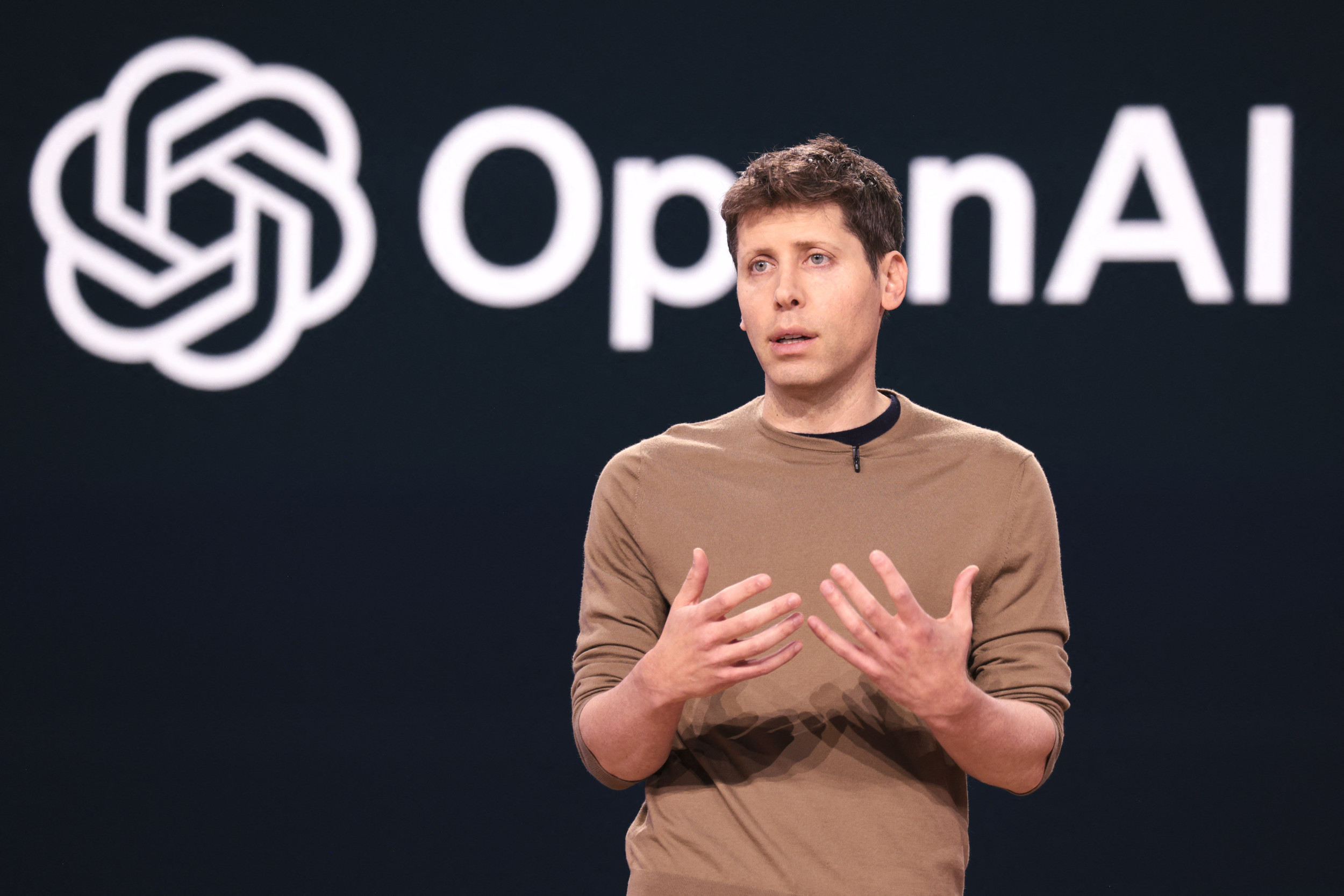
As OpenAI and other tech giants continue to iterate, the focus is shifting from “how many jobs can we automate” to “how can we make the existing workforce more resilient.” The goal for the coming years is clear: fostering a culture of continuous learning and re-skilling.
Frequently Asked Questions (FAQ)
- Q: Will AI eventually cause mass unemployment?
- A: Current trends indicate a shift in job roles rather than a total disappearance of work. While some repetitive tasks will be automated, new roles centered around AI management and human-centric skills are emerging.
- Q: What is “AI-washing”?
- A: It refers to companies blaming AI for layoffs that were actually caused by other factors, such as cost-cutting or poor financial performance, to make the company look more tech-forward.
- Q: How can I protect my career from AI disruption?
- A: Focus on developing “soft skills” like critical thinking, interpersonal communication, and complex decision-making, while simultaneously becoming proficient in using AI tools to boost your own daily productivity.
How has AI changed your daily workflow? Are you seeing your industry shift, or is it mostly just hype? Let us know in the comments below, or subscribe to our weekly newsletter for more insights into the future of the digital economy.