
Samsung moving U.S. headquarters to Plano
The Great Corporate Migration: Why Tech Giants are Betting on the Sun Belt
When a behemoth like Samsung Electronics decides to shift its U.S. Headquarters from the established corridors of New Jersey to the sprawling landscapes of Plano, Texas, it isn’t just a change of address. It is a loud signal to the market about where the centre of gravity for American business is shifting.
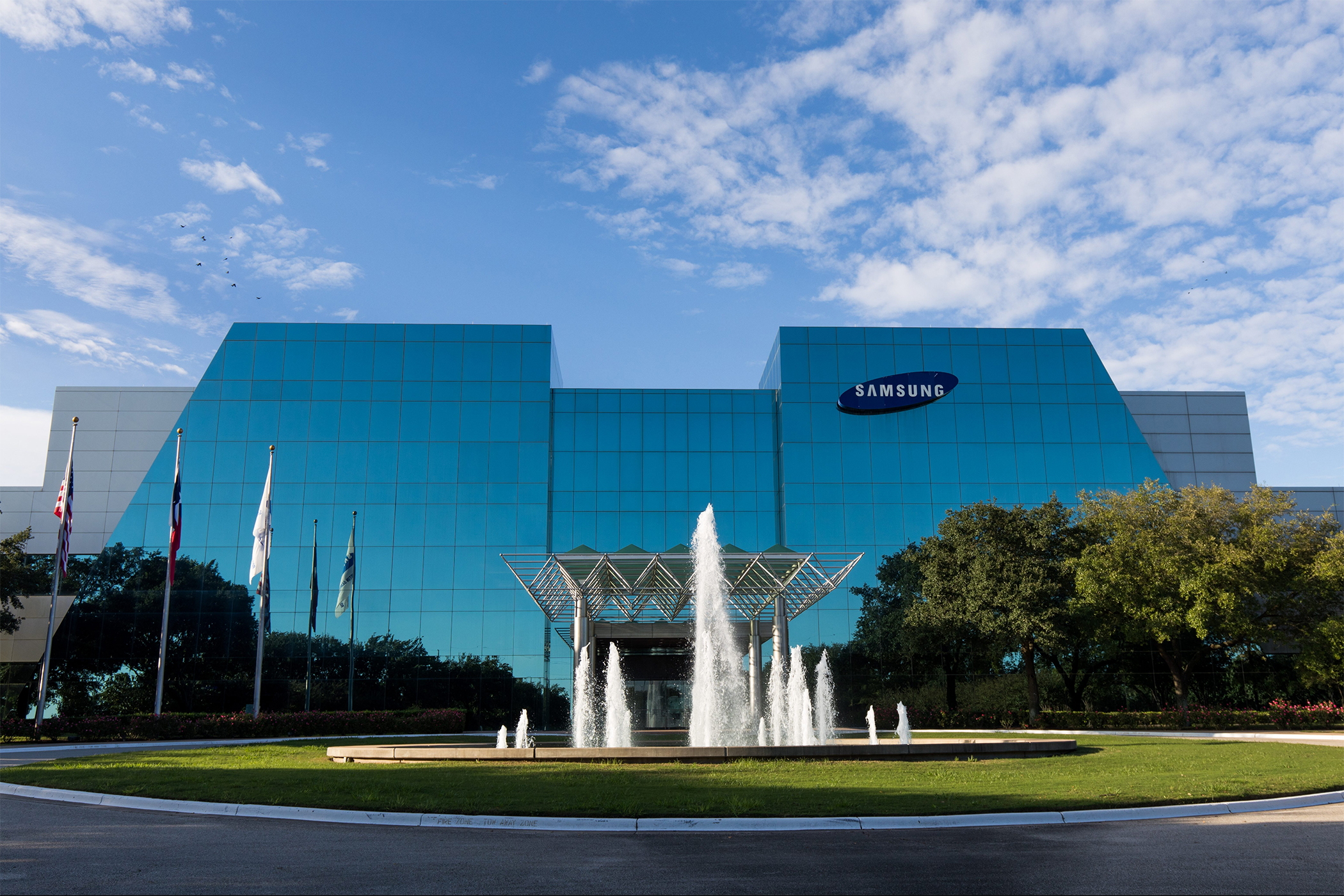
For decades, the “power centres” of the U.S. Were predictable: New York for finance, Silicon Valley for tech, and the Mid-Atlantic for corporate administration. But we are currently witnessing a structural realignment. The move to Texas is part of a broader trend known as the “Sun Belt Migration,” where companies are trading prestige ZIP codes for operational efficiency and scalability.
Beyond the Tax Breaks: The Strategy of “Business Transformation”
Samsung’s move is framed as a “business transformation.” In corporate speak, this often means more than just moving desks. It’s about organizational optimization. By consolidating teams into a single, expanding campus in North Texas, companies can eliminate the “silo effect” that happens when departments are scattered across different states or time zones.
We are seeing this pattern across the board. Look at Tesla’s move of its headquarters to Austin or Oracle’s shift to Texas. These aren’t just cost-saving measures; they are attempts to build “ecosystems.”
The Rise of the Secondary Tech Hub
Plano is no longer just a suburb of Dallas; it has evolved into a strategic node. When a company like Samsung expands its footprint—adding thousands of square feet over several years—it creates a “cluster effect.” Other vendors, partners, and specialized talent move to the area, creating a self-sustaining economic engine.

This trend suggests that the future of tech isn’t centered in one “Valley,” but distributed across several high-growth hubs. We are seeing similar trajectories in cities like Raleigh-Durham, Nashville, and Phoenix.
The Real Estate Paradox: Abandoning the “Prestige” Office
One of the most intriguing parts of the Samsung shift is the uncertainty surrounding its massive New Jersey facility. This highlights a growing trend in corporate real estate: the move away from “trophy offices” toward “functional campuses.”
Post-pandemic, the value of a high-rise in a prestigious city has plummeted relative to the value of a flexible, campus-style environment. Companies are now prioritizing:
- Collaboration Zones: Open spaces that encourage cross-departmental interaction.
- Scalability: The ability to add square footage (as Samsung did in 2020, 2021, and 2023) without moving the entire company.
- Employee Quality of Life: Lower costs of living in states like Texas allow employees to afford larger homes, which is a powerful tool for talent retention.
Data Point: The Cost of Doing Business
Recent economic data indicates that the cost of commercial real estate in major Sun Belt hubs can be 30% to 50% lower than in the Northeast or California, while offering newer, more energy-efficient infrastructure. For a company focusing on “sustainable growth,” the math becomes undeniable.
Future Trends: What Happens Next?
As more giants migrate, we can expect a “domino effect.” When a primary employer moves, the secondary service economy—law firms, accounting agencies, and marketing boutiques—follows. This will likely lead to a further devaluation of traditional corporate hubs and a surge in infrastructure development in the South.
the “optimization” of people mentioned in Samsung’s statement suggests a leaner approach to management. The future is not just about where we work, but how we are structured. Expect more companies to merge their regional offices into “Super-Hubs” to reduce redundancy.
Frequently Asked Questions
Why are tech companies moving to Texas?
The primary drivers are lower taxes, a lower cost of living for employees, and a business-friendly regulatory environment.
Does a corporate relocation mean layoffs?
Not necessarily, but companies often use relocation as an opportunity to “optimize” their organization, which can lead to restructuring or changes in staffing levels.
What is the “Sun Belt” migration?
It refers to the movement of people and businesses from the Northeast and Midwest toward the southern and southwestern United States.
What do you think? Is the era of the New York/California corporate dominance officially over, or is the move to the Sun Belt a temporary trend? Let us know your thoughts in the comments below or share this article with your network.