
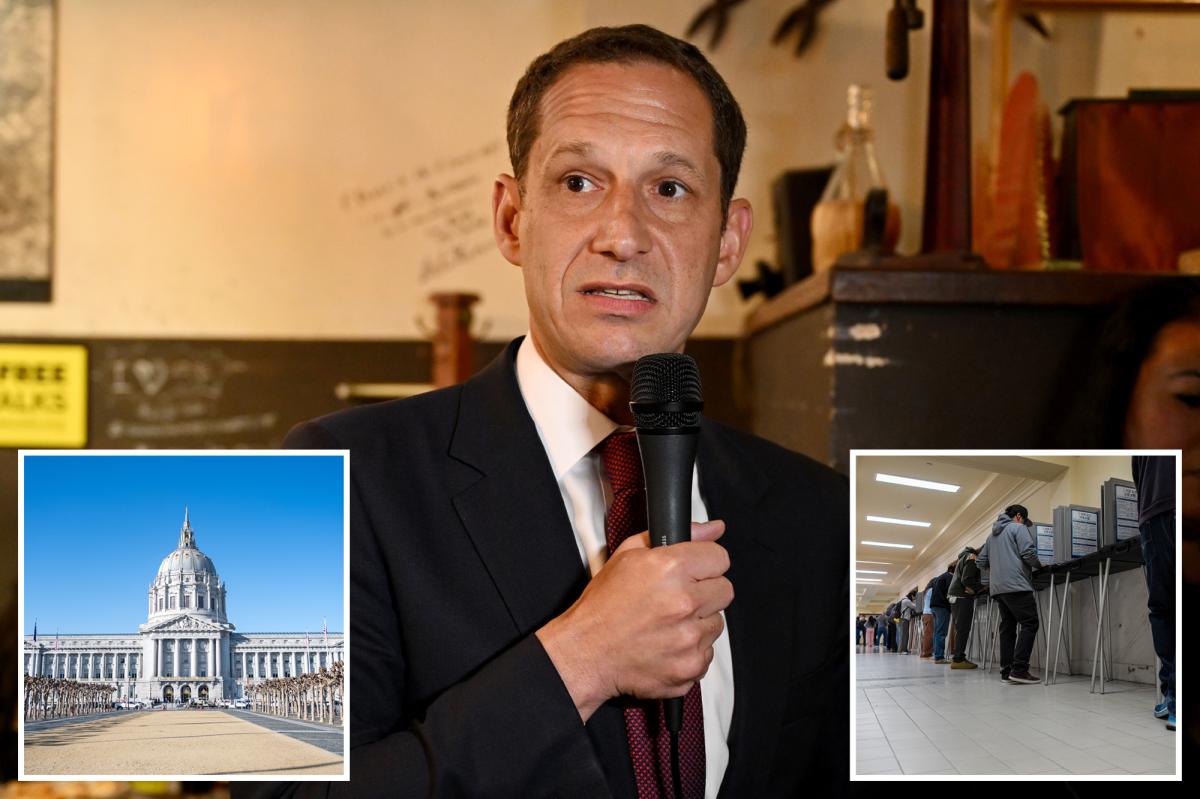
San Francisco Mayor Daniel Lurie Calls for Results Over Political Posturing
The San Francisco Pivot: A New Era of Pragmatism
For years, San Francisco was the poster child for urban decline—a narrative defined by headlines about public drug use, retail theft, and a downtown hollowed out by the pandemic. But look closely at the city’s recent political pulse, and you’ll find a seismic shift. The city that once championed radical policy experiments is now embracing a “results-first” mandate.
Mayor Daniel Lurie’s recent push for fiscal accountability and operational efficiency isn’t just local news; it’s a blueprint for major metropolitan areas nationwide. As the city moves away from ideological gridlock, the focus has shifted toward the “bread and butter” of governance: public safety, cleaned-up streets, and a balanced budget.
Beyond the Ideology: The Rise of Common-Sense Governance
The most telling metric of this change? A recent San Francisco Chamber of Commerce survey indicates that 64% of residents now believe the city is moving in the right direction. This is a staggering turnaround from the bleak sentiment that dominated 2024.
Lurie’s strategy—trimming bloated nonprofit contracts that once topped $1 billion annually while prioritizing public safety raises—suggests a future where cities will be run more like high-functioning enterprises than political arenas. By demanding accountability from both the public and private sectors, municipal leaders are signaling that the era of “checkbook governance” is fading.
What This Means for Urban Policy Nationwide
San Francisco’s moderate uprising, fueled by a coalition of tech leaders and frustrated voters, is a bellwether for other American cities. The trend toward “pragmatic centrism” suggests that urban voters are increasingly fatigued by proxy wars between unions and corporate interests.
As cities like Seattle, Portland, and Chicago face similar challenges, the “Lurie Model” offers a path forward:
- Fiscal Discipline: Auditing non-profit expenditures to ensure taxpayer dollars actually reach the streets.
- Collaborative Leadership: Forcing mayors and city councils to align on common-sense solutions rather than political posturing.
- Data-Driven Results: Measuring success by tangible reductions in crime and homelessness, rather than the volume of legislation passed.
The Future of the Urban Voter
Voters are no longer content with being “laboratories of democracy” if the experiments result in a lower quality of life. The rejection of punitive tax measures—like the proposed “Overpaid CEO tax”—shows that even in deeply progressive enclaves, there is a limit to how much the electorate will punish the business community to satisfy political optics.
Looking ahead, we can expect to see more “moderate uprisings” in municipal elections. Voters are prioritizing infrastructure, safety, and economic stability over partisan identity. For candidates, the message is clear: if you can’t deliver results, the electorate will find someone who can.
Frequently Asked Questions
Why is San Francisco’s political shift significant?
San Francisco has long been a national leader in progressive policy. Its shift toward pragmatic, results-oriented governance suggests a wider national trend where urban voters are prioritizing basic city services over ideological agendas.
What is the “Lurie Model” of governance?
This proves an approach that prioritizes fiscal accountability (like auditing nonprofit spending), public safety, and collaboration between the mayor’s office and the board of supervisors to achieve measurable outcomes.
Are other cities following this trend?
Yes. Many major U.S. Cities are seeing a push for centrist candidates who focus on homelessness, retail theft, and downtown revitalization, reflecting a national frustration with stagnant urban management.
Want to stay ahead of the curve on urban policy and local politics? Subscribe to our weekly newsletter for deep dives into the trends shaping your city. Have an opinion on the shift in San Francisco? Drop a comment below and join the conversation.