

Scientists recognised for finding major gap in childhood vaccine schedule
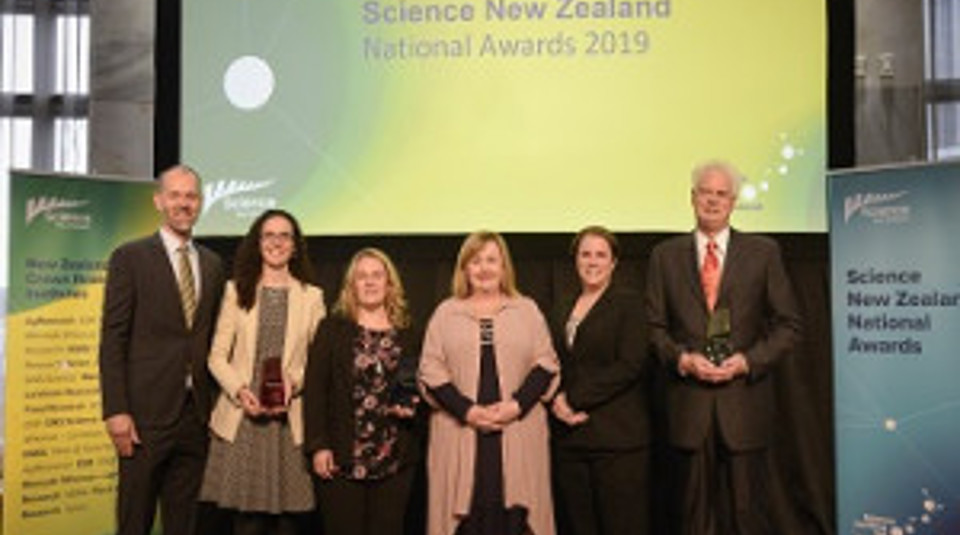
A team of publicly funded scientists from PHF Science has been honored at the Science New Zealand Awards 2026 for identifying a critical gap in the childhood vaccine schedule. The team, including Julie Morgan, Andy Anglemyer, and Andrea McNeill, received the “Collaboration for Impact” award for their work regarding invasive pneumococcal disease (IPD).
The Discovery of a Vaccine Gap
In late 2020, health officials noticed a climb in cases of invasive pneumococcal disease among children under the age of five. Upon closer investigation, scientists discovered that many of the affected children had already been vaccinated.
Epidemiologist Dr. Andy Anglemyer noted that while streptococcus pneumoniae is often carried asymptomatically, it becomes dangerous if it enters sterile sites such as the brain or blood. In severe cases, the resulting illness could lead to kidney damage, requiring dialysis or even a kidney transplant.
The Impact of Serotype 19A
The vaccine programme had previously expanded its coverage to 13 serotypes. However, in 2017, the programme reverted to a version covering only 10 serotypes, which removed coverage for the strain known as 19A.
According to Dr. Anglemyer, serotype 19A is significantly more virulent and more resistant to penicillin, which limits available treatment options. This removal created what he described as a “perfect storm,” allowing the bacteria to grow and fester within the community.
The data reflects a sharp increase in illness. Notified cases of the disease rose from 350 in 2020 to 757 by 2023. During that same period, cases in children under five more than doubled, increasing from 37 to 81.
Corrective Action and Results
To address the trend, the PHF Science team (formerly ESR) utilized genomic sequencing to identify the specific bacterial strain. This evidence enabled the Ministry of Health to successfully petition Pharmac to reinstate the broader vaccine at the end of 2022.
The impact of the reinstatement was evident by 2024. The rate of invasive pneumococcal disease in children under two halved, an outcome estimated to have prevented more than 30 child hospitalisations.
Total cases dropped from 757 in 2023 to 718 in 2024. Cases in children under five fell from 81 to 50. PHF found that children under two who received three doses of the vaccine had no cases of IPD caused by serotype 19A.
Future Implications
The success of this intervention provides empirical evidence of herd immunity and the real-time efficacy of vaccinations. Dr. Anglemyer emphasized that the data showed a direct reduction in morbidity, pain, and hospitalisations.
Moving forward, continued genomic sequencing may be used to monitor for other gaps in coverage. Public health officials could use these findings to ensure that vaccine schedules adapt to the most virulent strains present in the community.
Frequently Asked Questions
What is serotype 19A?
It is a variation of the streptococcus pneumoniae bacteria that is more virulent and more resistant to penicillin than other strains, making it more likely to cause invasive disease and harder to treat.
Why did cases of the disease increase after 2017?
In 2017, the vaccine programme reverted to a version that covered 10 serotypes instead of 13, which removed the protection against serotype 19A.
What were the health consequences for children with this disease?
While the disease did not often lead to death due to treatment availability, it could cause severe illness leading to kidney damage, dialysis, or kidney transplants.
How do you feel about the role of genomic sequencing in updating public health guidelines?