
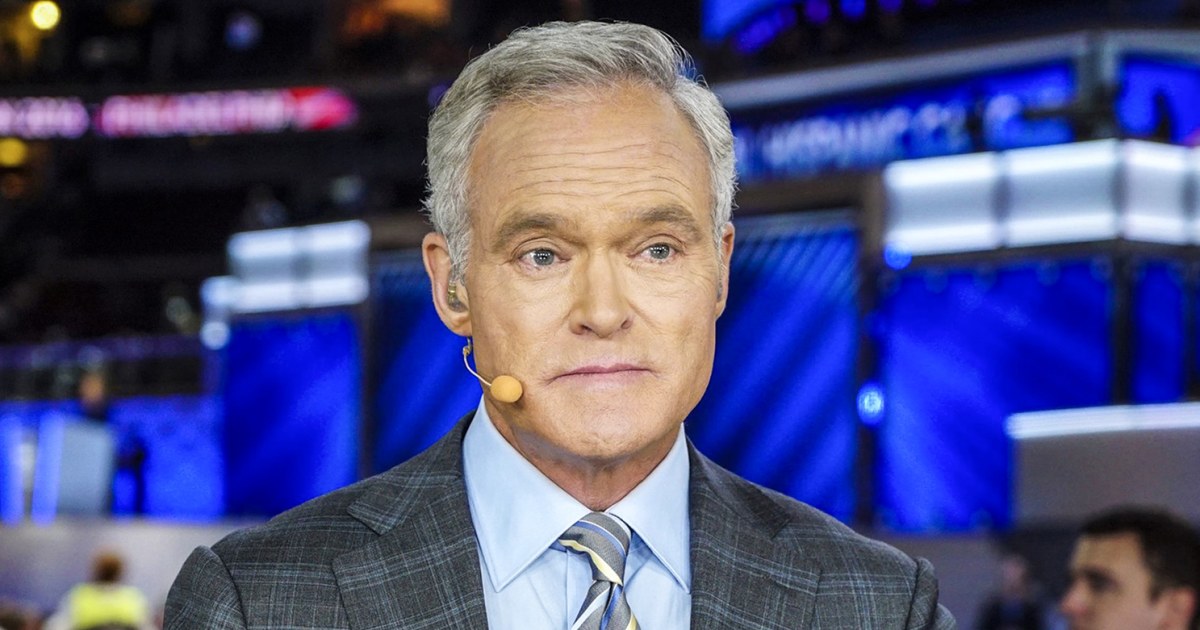
Scott Pelley Accuses CBS News Chief Bari Weiss of Political Bias and Editorial Interference
Scott Pelley, a former “60 Minutes” correspondent, has accused CBS News Editor-in-Chief Bari Weiss of attempting to manipulate coverage of Minneapolis immigration protests to favor President Donald Trump’s narrative. In an interview with The New York Times, Pelley alleged that Weiss exerted a level of political influence he had not seen in his 37-year career at the network.
Why did Scott Pelley accuse Bari Weiss of editorial interference?
Pelley claims the dispute centered on a “60 Minutes” segment regarding confrontations between federal agents and protesters during immigration enforcement operations in Minnesota. The report covered the fatal shootings of Renee Good and Alex Pretti.

According to Pelley, Weiss sent notes after the segment was already approved for broadcast. He alleged she requested that protesters be portrayed as more violent and that Renee Good be described as driving toward an officer.
“There was a thumb on the scale for the president’s version of events that I felt was a level of political influence that I had never seen in 37 years at CBS News,” Pelley told The New York Times.
CBS News rejected this account in a statement to NBC News and The New York Times. The network stated Weiss raised “four points in the course of editorial back-and-forth” to ensure the piece was “strong, fair, and accurate,” denying any political motivation.
What led to the firing of Scott Pelley?
Pelley was fired on Tuesday following a heated meeting with Nick Bilton, the newly appointed executive producer of “60 Minutes.” Pelley asserted that Bilton lacks experience in television news.
Tensions had been rising for weeks following leadership changes and mass firings at the program, including the dismissal of executive producer Tanya Simon. Pelley described an email from Bilton to staff as “insulting,” noting it introduced plans for new correspondents.
Pelley suggested Simon’s termination may have been linked to Anderson Cooper’s departure. Cooper, whose contract was not renewed, stated in his final appearance that he hoped “60 Minutes” would remain true to itself.
Pelley alleged that Weiss was “livid” that Cooper was allowed to make those remarks without her being consulted, which he believes contributed to Simon being let go.
How does the Paramount and Skydance Media deal factor in?
The turmoil follows the sale of Paramount, the parent company of CBS, to David Ellison’s Skydance Media. Pelley linked the newsroom’s instability to this corporate transition.
Pelley raised concerns regarding Paramount’s decision in July 2025 to settle a lawsuit filed by Donald Trump. This settlement occurred just weeks before federal regulators approved the Skydance Media acquisition.
Pelley characterized the settlement as a “bribe” intended to secure the deal’s approval. Paramount has denied this allegation.
What may happen next for CBS News?
The network’s internal stability remains uncertain as Pelley warned that trust within the newsroom has eroded. He described the current state of CBS News as being “on fire.”

While Pelley believes the network can recover, he suggested that a “return to sanity” is required. Future developments may depend on whether the new leadership can address allegations of subtle political bias and restore confidence among the remaining staff.
Frequently Asked Questions
Why was Scott Pelley fired from CBS News?
Pelley was fired on Tuesday after a heated meeting with the new “60 Minutes” executive producer, Nick Bilton.
What specific editorial changes did Pelley claim Bari Weiss wanted?
Pelley alleged Weiss wanted protesters in a Minnesota immigration report to look more violent and wanted Renee Good described as driving toward an officer.
How did CBS News respond to the allegations of political bias?
CBS News denied the claims, stating that Weiss’s editorial suggestions were intended to make the reporting as fair and accurate as possible and had no political motivation.
Do you believe corporate ownership changes inevitably affect the editorial independence of national news organizations?