
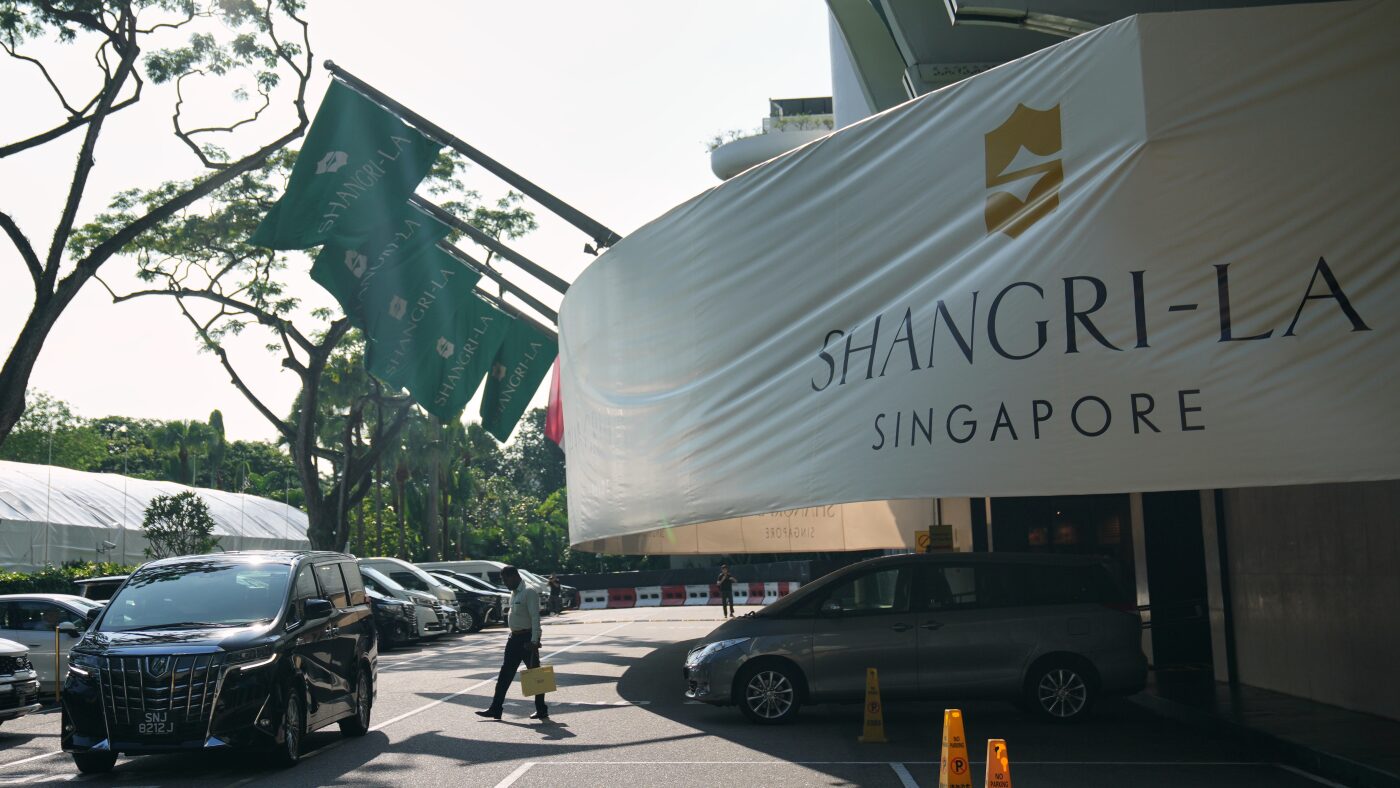
Shangri-La Dialogue: US-China Relations and Global Security Risks
Global security leaders, diplomats and defense officials have gathered in Singapore for the Shangri-La Dialogue, Asia’s premier defense summit. Hosted by the International Institute for Strategic Studies, the forum arrives amid heightened tensions regarding China’s military modernization and the evolving strategic priorities of the United States.
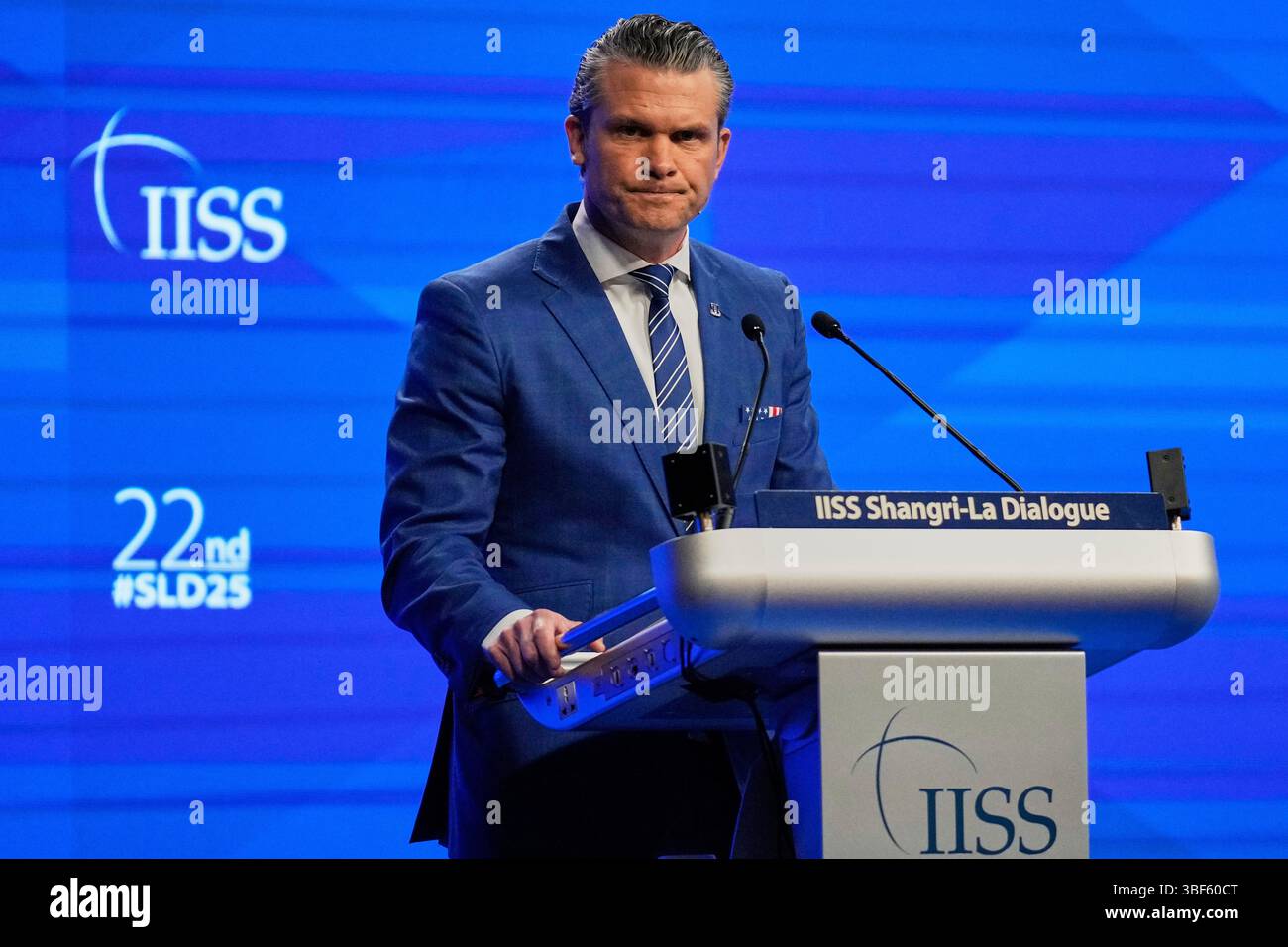
The summit opens Friday with a keynote address from Vietnamese leader To Lam. U.S. Defense Secretary Pete Hegseth is scheduled to lead Saturday’s session, focusing on the Trump administration’s strategy for the Indo-Pacific region.
Vietnam’s Strategic Balancing Act
To Lam, who recently consolidated power as both president and Communist Party general secretary, faces the challenge of navigating relations between two superpowers. Vietnam maintains heavy economic ties with China, its largest two-way trade partner, despite ongoing maritime confrontations.

Simultaneously, the U.S. Serves as Vietnam’s largest export destination. While Washington seeks to expand defense contracts to reduce Hanoi’s reliance on Russia, leaked documents indicate the Vietnamese military remains sceptical of U.S. Intentions.
These documents suggest Vietnam has taken measures to protect itself against a possible American “war of aggression.” Lam is expected to emphasize regional stability, development, and the use of consensus to manage differences.
U.S. Commitments and the Taiwan Question
The summit follows a recent meeting in Beijing between U.S. President Donald Trump and Chinese leader Xi Jinping. During that visit, Trump described Xi as a “great leader,” while Xi warned that the two nations could clash over Taiwan if the situation is not handled properly.
President Trump has expressed ambivalence regarding the defense of Taiwan, characterizing a pending $14 billion arms package as a “very good negotiating chip” for dealings with China. This stance contrasts with the U.S. Policy of “strategic ambiguity” and previous administrations’ support.
Secretary Hegseth is expected to discuss a “common-sense approach” to safeguarding U.S. Interests. However, given the recent Beijing meeting, We see unlikely his remarks will contradict the president’s public statements.
Global Conflict and Economic Fallout
Beyond Asian security, the dialogue is overshadowed by the “Iran war” and the subsequent closure of the Strait of Hormuz. Because a fifth of the world’s oil typically passes through this strait, the closure has caused global oil prices to spike and triggered widespread economic instability.
The conflict in Ukraine also remains a central topic. Ukrainian President Volodymyr Zelenskyy recently requested additional American-made air defense ammunition from the U.S. Congress and President Trump to counter Russian ballistic missile attacks.
While Zelenskyy is not expected to attend in person this year, the summit will include high-level defense officials from European nations, including Poland and Lithuania, as well as the defense minister of Qatar.
Future Outlook
The trajectory of Indo-Pacific security may depend on the outcome of the discussions between Secretary Hegseth and To Lam. A shift in U.S. Support for Taiwan could potentially lead to a realignment of regional defense strategies.
the global economy may remain volatile if the Strait of Hormuz stays closed. The dialogue’s ability to foster consensus could determine whether regional tensions are managed or if they escalate into further confrontations.
Frequently Asked Questions
Who is representing China at this year’s dialogue?
Beijing is sending a lower-level delegation this year, and it was not immediately clear who the primary speaker would be.
What is the significance of the Strait of Hormuz closure?
The strait normally handles a fifth of the world’s oil shipments; its effective closure by Iran has caused global oil prices to spike and created economic problems worldwide.
What is the status of the $14 billion arms package for Taiwan?
President Trump has not yet greenlit the package, stating that it serves as a “very good negotiating chip” in relations with China.
How do you think the use of defense agreements as “negotiating chips” affects global stability?