

Sony Reportedly Unhappy with Naughty Dog’s Lack of New Game Releases
The AAA Crisis: Why PlayStation’s “Gold Standard” Studio Is Under Pressure
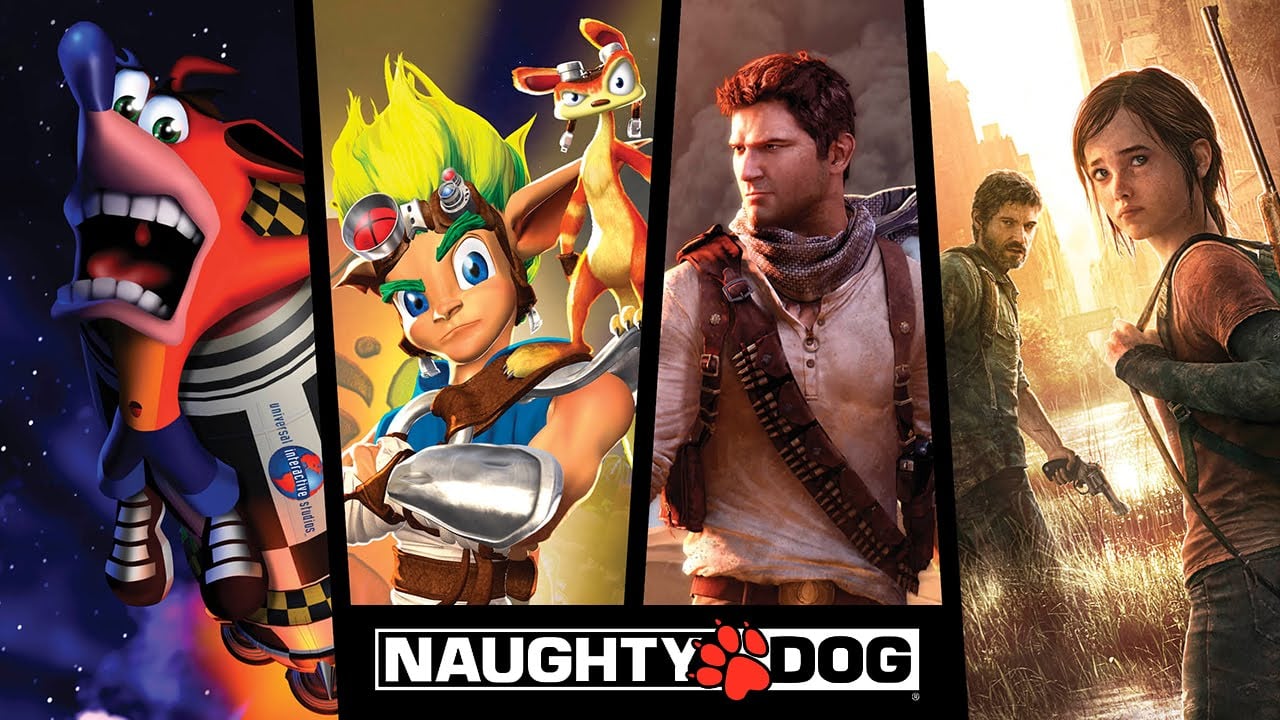
For over a decade, Naughty Dog was the undisputed crown jewel of PlayStation Studios. From the cinematic intensity of Uncharted to the emotional gut-punch of The Last of Us, they set the industry benchmark for narrative-driven blockbusters. Yet, as the industry shifts, the studio finds itself in an uncomfortable spotlight. With no new game released in the current console generation, questions are mounting: Has the “prestige” model of game development finally hit a breaking point?
The Cost of Perfection: When Budgets Outpace Growth
Industry veteran Jason Schreier recently shed light on the growing friction between Sony and its premier developer. The core issue isn’t a lack of talent, but the unsustainable trajectory of modern AAA development. When a studio spends over five years and upwards of $300 million on a single project—only for that project to be shelved, as was the case with The Last of Us Online—the financial math stops making sense for corporate stakeholders.
The average development cycle for a AAA title has ballooned from 2–3 years in the PS3 era to 5–7 years for current-gen flagship releases. This “bloat” is now the primary driver of studio closures across the industry.
The New Reality: Faster Cycles vs. Cinematic Scope
Sony is not alone in its frustration. Across the board, publishers are pivoting away from “forever projects” that consume half a decade of resources. The future of gaming development is shifting toward three core trends:
- Agile Prototyping: Moving away from massive, multi-year projects in favor of smaller, more frequent “vertical slices.”
- Budget Caps: Implementing stricter financial oversight to prevent the “runaway train” effect seen in recent high-profile production delays.
- IP Diversification: Reducing reliance on a single “magnum opus” and encouraging studios to experiment with mid-sized titles.
The “Intergalactic” Litmus Test
All eyes are now on Intergalactic: The Heretic Prophet. For Naughty Dog, this isn’t just another game; it is a proof-of-concept. Sony needs to see that the studio can deliver a fresh, high-quality IP without the decade-long gestation period that defined their previous efforts. If this project succeeds, it justifies the “prestige” strategy. If it struggles, we may see a fundamental shift in how Sony manages its internal teams.
Keep an eye on mid-budget titles from major publishers. Studios that learn to balance high-fidelity production with shorter development cycles are the ones likely to survive the current industry “correction.”
Frequently Asked Questions
- Why is Sony unhappy with Naughty Dog?
- The primary concern is the length of development cycles and the massive financial investment required for single projects, which creates a “bottleneck” in the release schedule.
- What happened to The Last of Us Online?
- The project was cancelled after years of development because it failed to meet the necessary standard for a long-term live-service title, leading to significant resource loss.
- Are other studios facing the same pressure?
- Yes. The entire AAA industry is currently adjusting to ballooning budgets and the increasing difficulty of keeping players engaged for 5+ years between releases.
What’s Next for PlayStation?
The era of the “unlimited budget” is closing. As we look toward the future, the studios that thrive will be those that embrace efficiency without sacrificing the creative soul that made them famous in the first place. Whether Naughty Dog can pivot to this new reality will be the defining story of the next few years.
What do you think? Is five years too long to wait for a new game, or is quality worth the wait? Join the conversation in the comments below or subscribe to our newsletter for the latest industry deep-dives.