
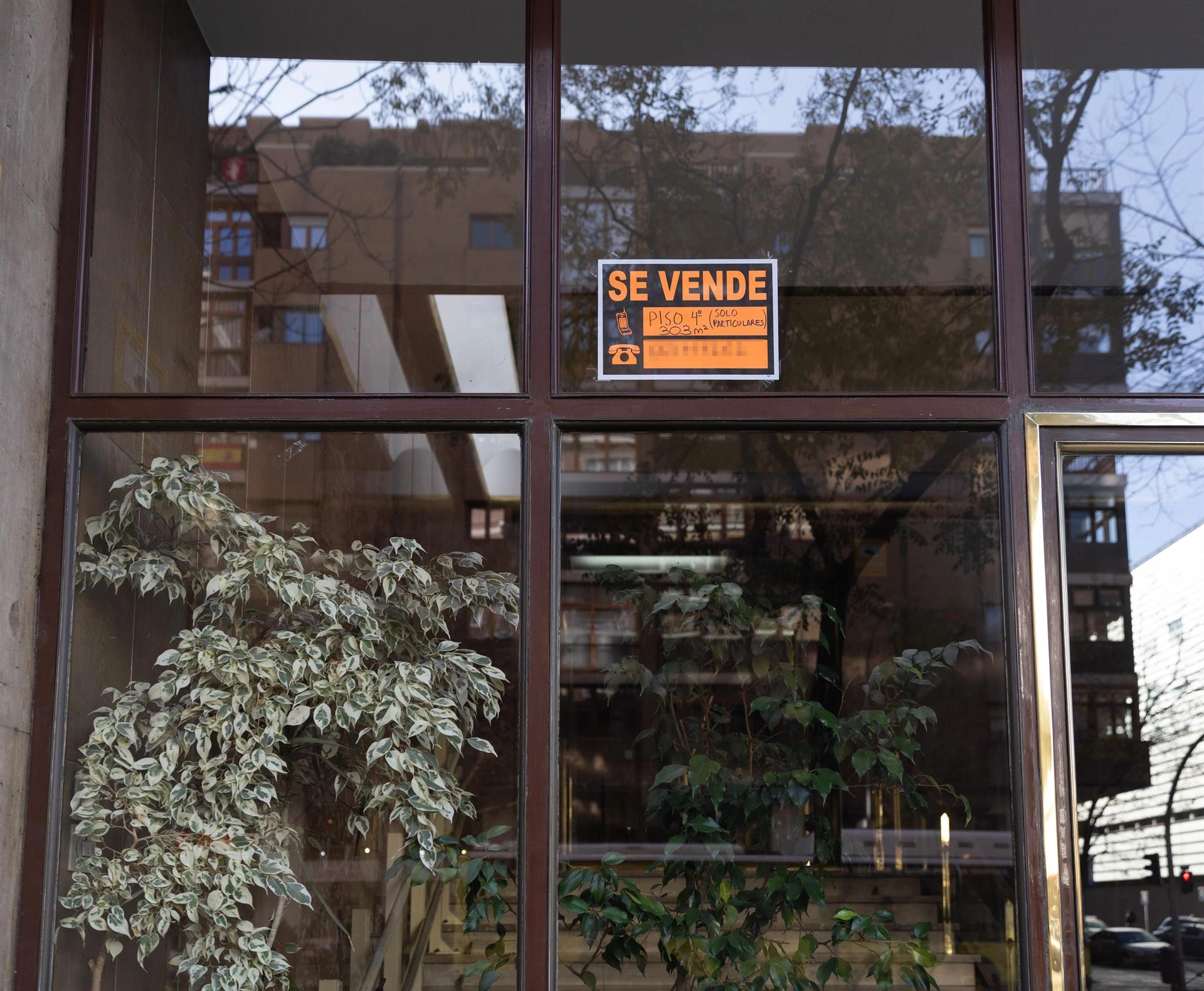
Spain Housing Crisis: The Rising Cost of Renting vs. Buying
The Spanish housing market faces a period of intense pressure, as new data reveals a widening gap between the costs of renting and buying a home. For the average household in Spain, monthly rent payments now consume 36.85% of their net income, a figure that highlights a growing financial strain compared to the 22.65% required for a standard mortgage payment.
The Cost of Ownership vs. Rental
While the monthly cost of a mortgage appears more manageable on paper, the path to homeownership remains obstructed by high entry barriers. Banks typically finance only 80% of a property’s value, leaving buyers to fund the remaining 20%, plus an additional 10% to 20% to cover essential costs such as taxes, notary fees, and property appraisals.
Laura Martínez, spokesperson for iAhorro, points out that the financial burden of ownership extends beyond the initial purchase. Homeowners must also account for recurring expenses such as property insurance and the Impuesto sobre Bienes Inmuebles (IBI), which can further strain household budgets.
Regional Disparities and Future Outlook
The severity of this crisis is not uniform across the country. In regions of high demand, such as Catalonia, the Community of Madrid, and the Basque Country, the economic effort required for purchasing a home exceeds that of renting by more than 15 percentage points. Conversely, in the Balearic Islands, both options are becoming increasingly unattainable, with housing costs reaching 39.57% of income for renters and 36.90% for those with mortgages.
Moving forward, analysts suggest that without a significant increase in the total housing supply, the situation in “tensioned zones” is likely to persist. A possible next step to alleviate this pressure could be a strategic focus on expanding both rental and purchase inventories to better align with the economic realities of the average household.
Frequently Asked Questions
Why is renting considered a higher financial burden than buying?
According to the data, renting consumes 36.85% of a household’s net income, compared to 22.65% for a mortgage. This disparity hinders the ability of citizens to accumulate capital.
What are the main obstacles to buying a property?
Buyers must typically cover a 20% down payment, as banks only finance 80% of the value. They must save an extra 10% to 20% for taxes, notary fees, and appraisal costs, alongside ongoing expenses like insurance and the IBI.
Which regions are experiencing the most significant housing tension?
Catalonia, the Community of Madrid, and the Basque Country show high demand, while the Balearic Islands are described as the most critical case, where both renting and buying are becoming inaccessible for many citizens.
Given the current economic landscape, do you believe that increasing the housing supply is the most effective way to improve affordability for the average family?