
Study Reveals Critical Challenges for West Virginia Foster Youth Transitioning to Adulthood
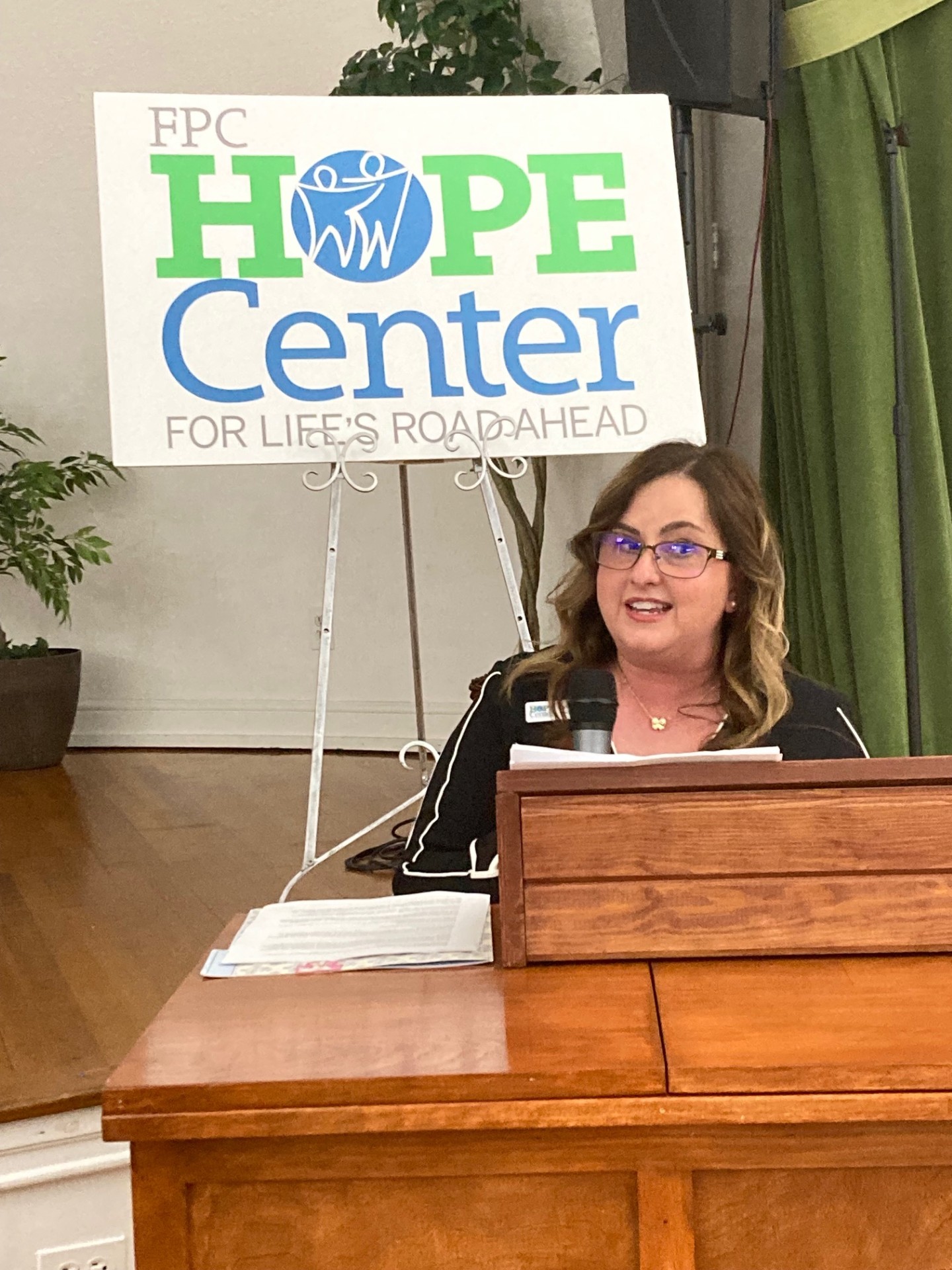
A comprehensive five-month study conducted by the FPC Hope Center has illuminated significant systemic hurdles facing young adults transitioning out of the foster care system in West Virginia. By collaborating with 14 diverse organizations—including schools, nonprofits, and government agencies across Kanawha and Clay counties—researchers identified deep-seated barriers that often impede the success of these young adults.
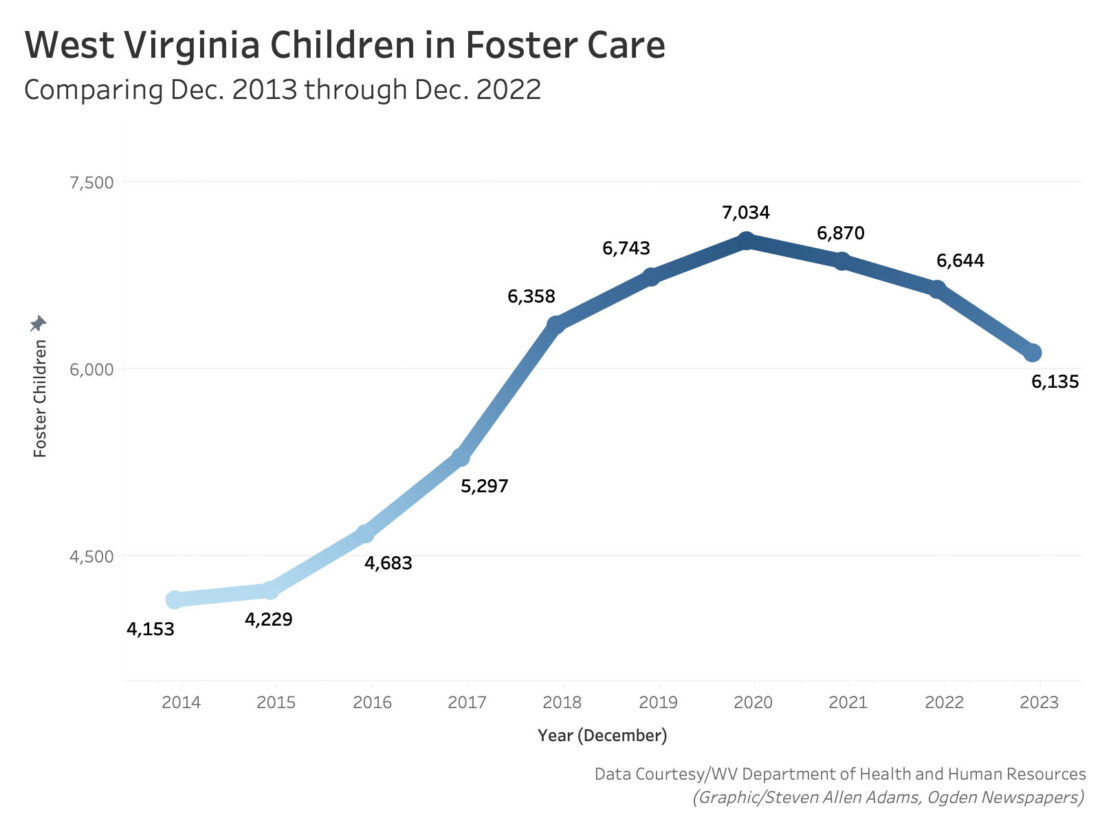
The findings highlight a fragmented service landscape where, despite individual efforts from providers, the lack of coordination creates a difficult environment for those aging out of care. With approximately 6,000 youth currently in the state’s foster system, the data suggests that these challenges are not isolated to specific regions but represent a statewide concern.
The Reality of Aging Out
One of the most concerning statistics uncovered by the study is that 40 percent of young adults who age out of foster care experience homelessness by age 26. This crisis is exacerbated by systemic issues, including a lack of reliable transportation in rural areas and the trauma associated with repeatedly navigating complex application processes and retelling their personal histories to different agencies.
while West Virginia law allows youth to remain in care until age 21, the vast majority choose to opt out at 18. Experts suggest this trend is often driven by a lack of awareness regarding the services available to them at that critical juncture.
Pathways for Future Change
The study’s authors emphasize that the path forward requires a shift toward more integrated care. By prioritizing stronger referral processes and reducing the bureaucratic burden on youth, advocates hope to mitigate the trauma associated with transitioning to independence. Increased awareness and community involvement are viewed as essential components for improving outcomes.
Looking ahead, the FPC Hope Center intends to use these findings to foster ongoing dialogue among service providers, and policymakers. If the recommendations for better coordination are adopted, the state could see a reduction in the number of young adults facing housing instability. Conversely, if the current fragmented system remains unchanged, these youth may continue to struggle with accessing the resources necessary for a stable future.
Frequently Asked Questions
Why do most youth choose to leave foster care at 18 instead of staying until 21?
According to the study, many young adults are simply not aware of the services and options available to them when they reach the age of 18.
How does transportation impact the homelessness rate of former foster youth?
Lack of transportation in rural areas prevents young adults from maintaining employment, attending classes, and accessing mental health or medical services. This loss of income and inability to manage health needs frequently leads to a loss of housing.
What is the primary goal of the FPC Hope Center’s study?
The goal is to identify systemic gaps and barriers for foster youth and to encourage a more unified approach among service providers to ensure these young adults have stable, hopeful futures.
What steps do you believe are most critical for communities to take when supporting young adults as they transition to independence?