
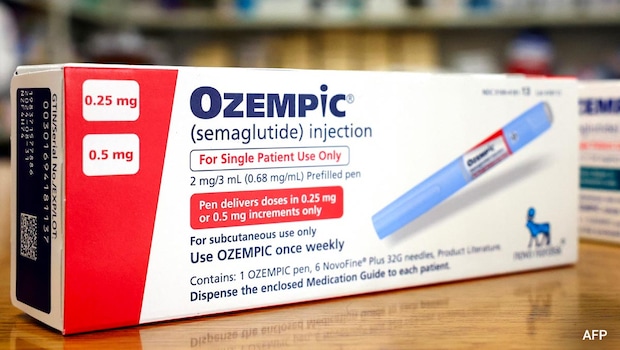
Taking Ozempic? New Study Explains Why Pairing It With Exercise Is Important For Your Muscles
Weight loss medications like Ozempic have fundamentally changed the approach to treating obesity. By utilizing semaglutide, these drugs help individuals control appetite, reduce food intake, and improve blood sugar levels.
While these benefits are significant, health experts have raised a critical concern regarding lean muscle mass. Because muscle is essential for strength, movement, and long-term health, finding ways to maximize fat loss while protecting muscle has become a priority.
Exercise as a Catalyst for Better Results
A new study presented at the European Atherosclerosis Society (EAS) Congress 2026 suggests that regular exercise may be the key to optimizing these treatments. Researchers found that combining semaglutide with exercise led to greater fat loss and better overall outcomes than medication alone.

The study indicates that physical activity not only improves the drug’s effectiveness but may also help preserve muscle function during the weight loss process. While these findings were observed in animals, they provide a foundation for further investigation.
The Critical Role of Lean Muscle
Weight loss typically targets body fat, but it often results in the loss of lean muscle as well. This is problematic because muscles are vital for metabolism, balance, strength, and general physical performance.
Losing excessive muscle can make it more difficult for individuals to remain active and maintain their weight loss over the long term. Experts believe protecting muscle is especially important for older adults and those with obesity-related health conditions.
Comparing Treatment Outcomes
Researchers studied mice with obesity, insulin resistance, fatty liver disease, and atherosclerosis. They compared groups receiving semaglutide, exercise, a combination of both, or no treatment over 14 weeks.
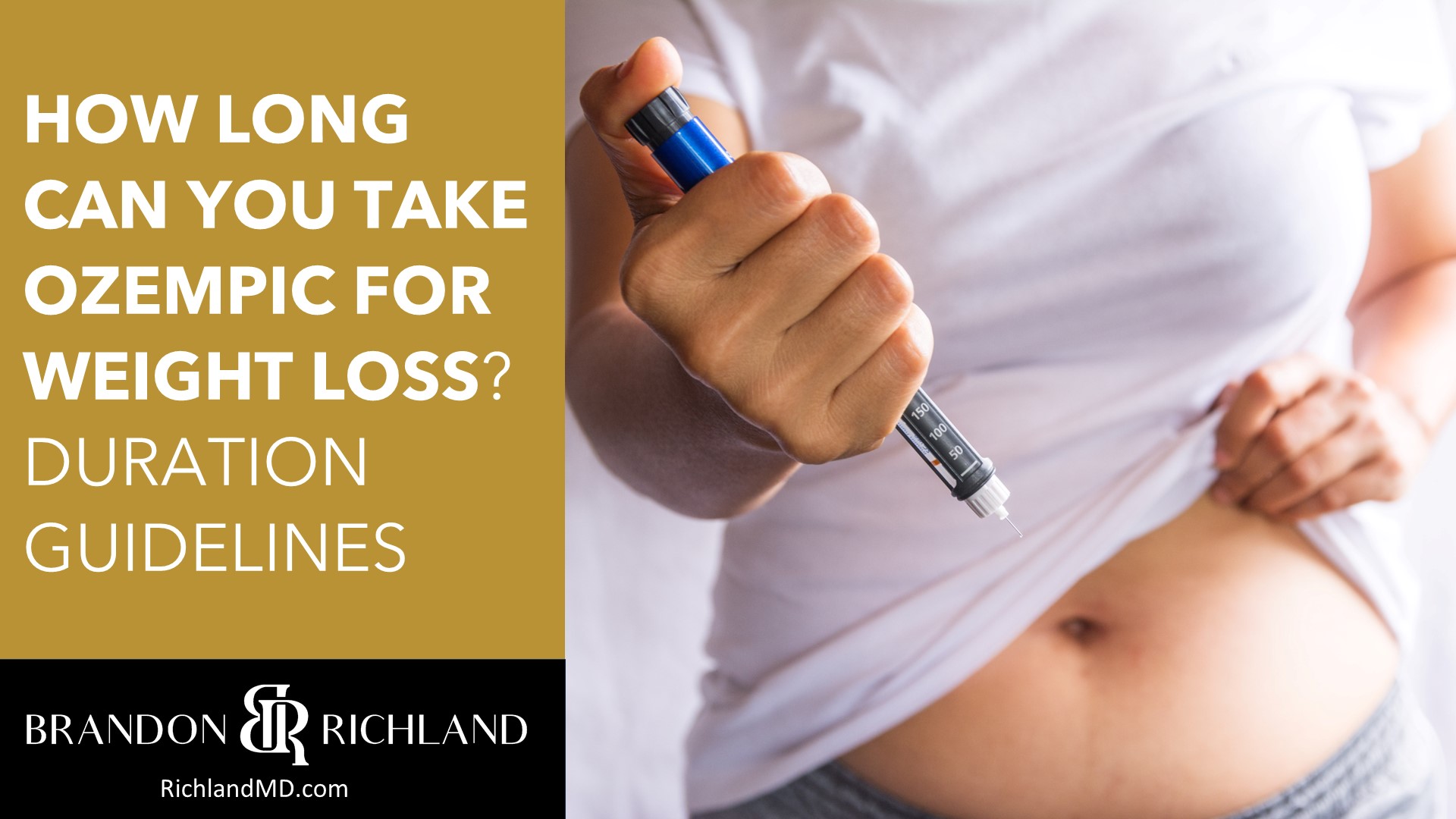
Semaglutide alone reduced fat mass by 31% but was linked to an 11% reduction in lean mass. In contrast, the combination of the drug and exercise limited lean mass loss to 8% while significantly increasing fat loss.
Health Benefits Beyond the Scale
The research revealed advantages that extended beyond simple weight reduction. Both the medication-only and combined groups saw improvements in blood lipid levels and insulin sensitivity, which could lower the risk of heart disease and type 2 diabetes.
However, the addition of exercise provided extra protection. Researchers observed decreased liver fat accumulation, lower levels of inflammation in liver tissue and body fat, and a reduction in the size of atherosclerotic lesions.
Improvements in Physical Function
Physical performance was measured through muscle fiber size and grip strength. Only the group receiving both semaglutide and exercise showed significant improvements in these areas.
Neither exercise alone nor the medication alone achieved these specific results. This suggests the two interventions may work synergistically to support muscle health while reducing excess fat.
Future Implications
Because this study was conducted in mice, more human research is required to confirm these results in people. If these trends hold true, a combined regimen of medication and exercise could become a standard recommendation for optimizing body composition.
Future clinical strategies may likely emphasize the integration of physical activity to address the concerns of muscle loss and to support long-term health and injury prevention.
Frequently Asked Questions
What was the primary concern regarding semaglutide in this study? Experts were concerned that while the drug promotes fat loss, it may also lead to the loss of lean muscle mass, which is essential for strength and metabolism. How did the combined treatment perform compared to medication alone? The combination of semaglutide and exercise reduced fat mass by 45% and limited lean mass loss to 8%, whereas semaglutide alone reduced fat by 31% and decreased lean mass by 11%. What additional health benefits were observed with the combined approach? Beyond weight loss, the combined approach reduced liver fat accumulation, lowered inflammation in body fat and liver tissue, and decreased the size of atherosclerotic lesions. Do you believe that combining medication with lifestyle changes is the most effective path to long-term health?