
Targeting NFIL3 Protein Boosts CAR T-Cell Therapy Against Solid Tumors
Researchers from Columbia University and University Hospital Tübingen have identified a specific protein that appears to be a primary driver in the weakening of CAR T cells over time. By disabling this protein, known as NFIL3, scientists found that these engineered immune cells remained active longer and demonstrated a superior ability to attack tumors.
The findings, published in Cancer Discovery, suggest a potential pathway to enhance CAR T-cell therapy. This represents particularly significant for treating solid tumors, which have historically proven difficult to manage with this approach.
Understanding CAR T-Cell Therapy
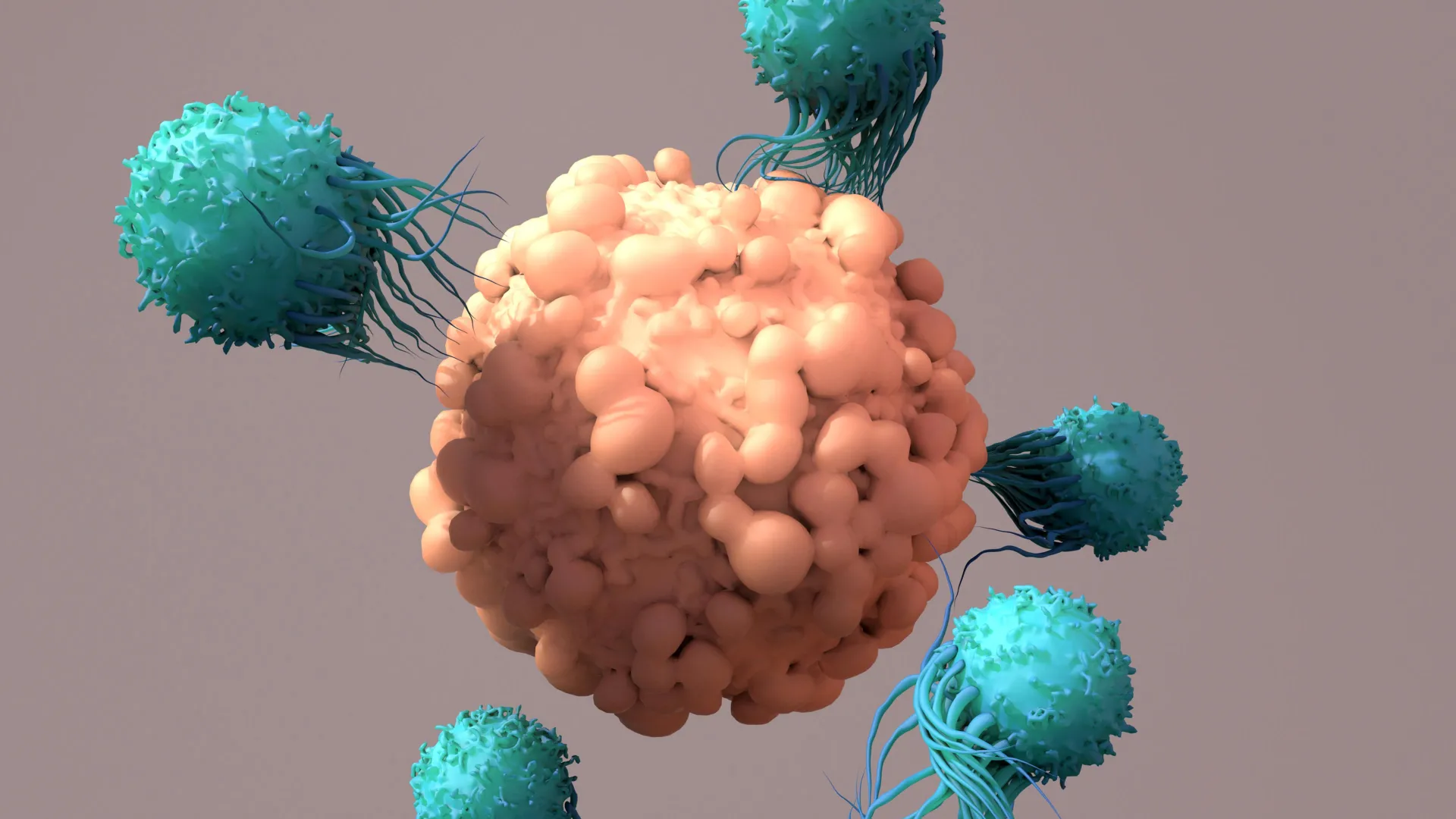
CAR T-cell therapy represents one of the most advanced forms of personalized cancer treatment. The process involves collecting a patient’s own immune cells and genetically modifying them to recognise cancer.
Once modified, these cells are returned to the patient’s body to seek out and destroy tumor cells. While this method has produced remarkable results for certain blood cancers, it has been far less successful against solid tumors.
The Role of NFIL3 in Cell Exhaustion
To understand why some treatments fail, an international team led by Prof. Michel Sadelain, MD, PhD, of Columbia University, and Prof. Judith Feucht, MD, of University Hospital Tübingen, analysed roughly 400 transcription factors.
These proteins act as switches that control which genes are turned on or off inside cells. The investigation identified NFIL3 as a major contributor to “CAR T-cell exhaustion,” a process where cells gradually lose their effectiveness.
Using CRISPR/Cas9 gene-editing technology—often referred to as “genetic scissors”—the team disabled the gene responsible for producing NFIL3. This allowed the CAR T cells to multiply more efficiently and maintain stronger anti-tumor effects for longer periods.
From Laboratory Success to Clinical Potential
The effectiveness of removing NFIL3 was demonstrated across several mouse models. In these studies, CAR T cells lacking the protein were more effective at controlling tumors and helped extend survival.
Prof. Feucht, who treats children and adolescents at the Department of Pediatrics at University Hospital Tübingen, utilizes a “bench-to-bedside” approach. This method focuses on translating scientific discoveries directly into treatments for patients.
Her research is conducted within iFIT (Image Guided and Functionally Instructed Tumor Therapies), which is Germany’s only Cluster of Excellence in oncology.
What May Happen Next
While these results are encouraging, additional research will be required before this specific strategy can be tested and used in human patients.

If successful in further trials, targeting NFIL3 could significantly improve the long-term potency of CAR T cells. This may potentially expand the usefulness of the therapy against a wider range of cancers, including those that currently respond poorly to treatment.
Frequently Asked Questions
What is NFIL3 and how does it affect cancer treatment?
NFIL3 is a protein that acts as a transcription factor. Researchers found it contributes to CAR T-cell exhaustion, causing engineered immune cells to lose their ability to function effectively over time.
How did the researchers disable the NFIL3 protein?
The team used CRISPR/Cas9 gene-editing technology, which acts as “genetic scissors” to precisely cut and modify the DNA responsible for producing the protein.
Has this treatment been tested in humans?
No. The benefits of removing NFIL3 have been demonstrated in mouse models, and further research is needed before the strategy can be tested in people.
Do you believe personalized gene-editing therapies will become the standard for treating solid tumors in the future?