

Telegram Banned in India Ahead of Medical College Entrance Exam
The Indian government banned the Telegram messaging app until June 22, citing concerns over “organized use” of the platform to defraud students preparing for the National Eligibility cum Entrance Test (NEET) re-examination, according to the Ministry of Education’s National Testing Agency.
The ban, effective until the June 21 retest, follows the cancellation of the May 2026 NEET exam after a question paper leak. The government stated Telegram was used “to defraud candidates,” though no specific evidence was provided. The restriction was imposed under a provision of the Information Technology Act allowing blocks “in the interest of sovereignty and integrity of India.”
What Led to the Telegram Ban?
The National Testing Agency described the ban as a “last resort” after failed efforts to remove illicit content. The ministry acknowledged the measure would inconvenience “hundreds of thousands of people” but emphasized its necessity to prevent “cheating rackets.” The move coincides with the retest of a medical entrance exam that has become a focal point for public frustration following its cancellation.
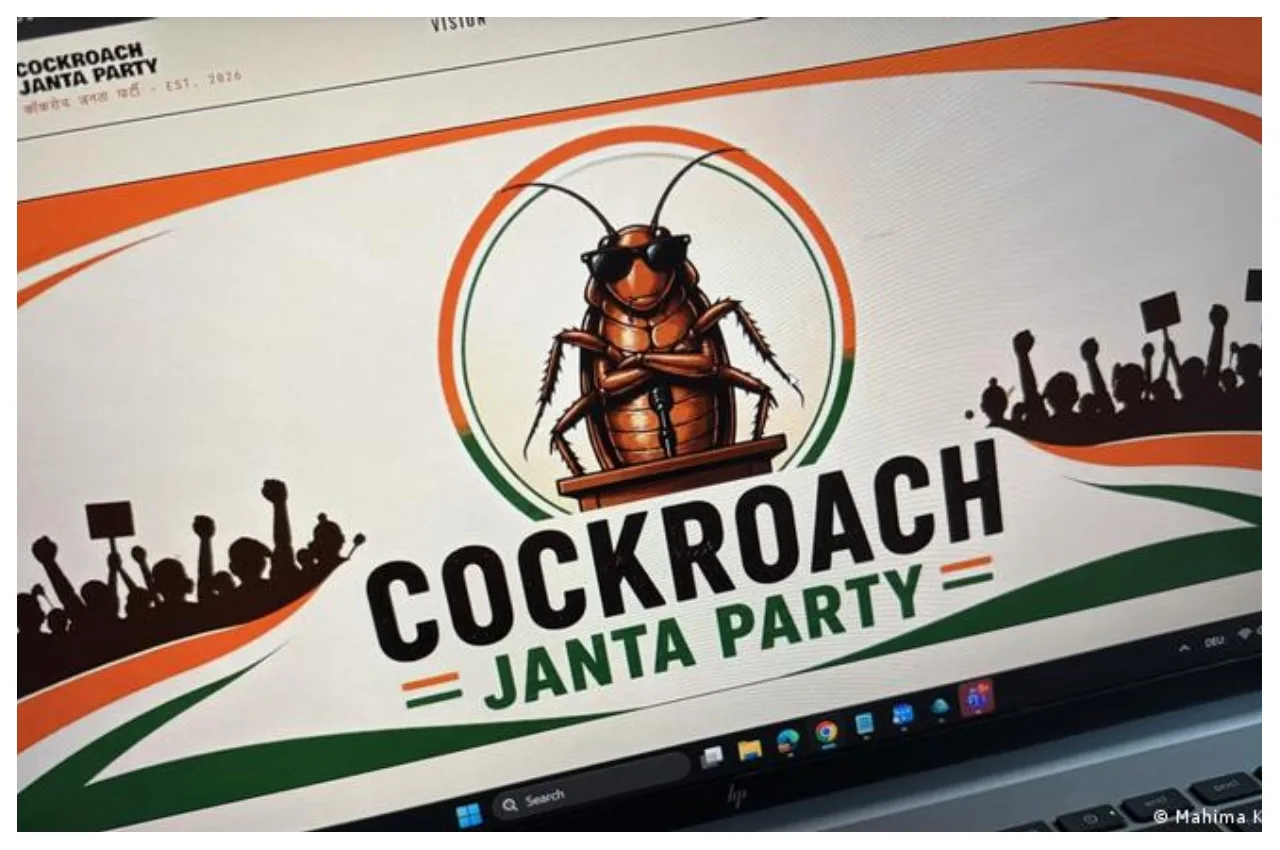
The NEET scandal, which led to the exam’s postponement, triggered nationwide protests. A satirical political group, the Cockroach Janta Party, organized demonstrations demanding the resignation of Education Minister Dharmendra Pradhan. Indian media also reported suicide cases linked to the exam’s disruption, though no official confirmation was provided.
Why the Ban Matters
The restriction highlights tensions between digital privacy and academic integrity. Telegram, which has seen rapid growth in India, is now the country’s largest market by downloads. Despite WhatsApp’s dominance, the app’s encryption features have made it a preferred tool for private communication, including illicit activities.
Activists have criticized the IT law’s broad provisions, arguing they enable overreach. The government’s use of the “sovereignty and integrity” clause has drawn comparisons to previous internet restrictions in the country. However, no alternative measures were detailed in the official statement.
What May Happen Next?
Legal challenges to the ban are likely, with critics expected to argue it infringes on free speech. Analysts suggest the government may face pressure to justify the measure publicly, though no timeline was provided. The retest on June 21 could proceed without further disruptions, though the ban’s impact on student preparation remains uncertain.
Frequently Asked Questions
What is the NEET exam? The National Eligibility cum Entrance Test is a standardized test required for Indian students seeking admission to medical colleges.
Why was Telegram blocked? Authorities claimed the app was used to facilitate cheating during the NEET retest, though no direct evidence was cited.
What is the Cockroach Janta Party? A satirical political group that emerged in response to the NEET scandal, organizing protests demanding the resignation of the Education Minister.
How might this ban affect digital freedoms in India? Share your thoughts below.