
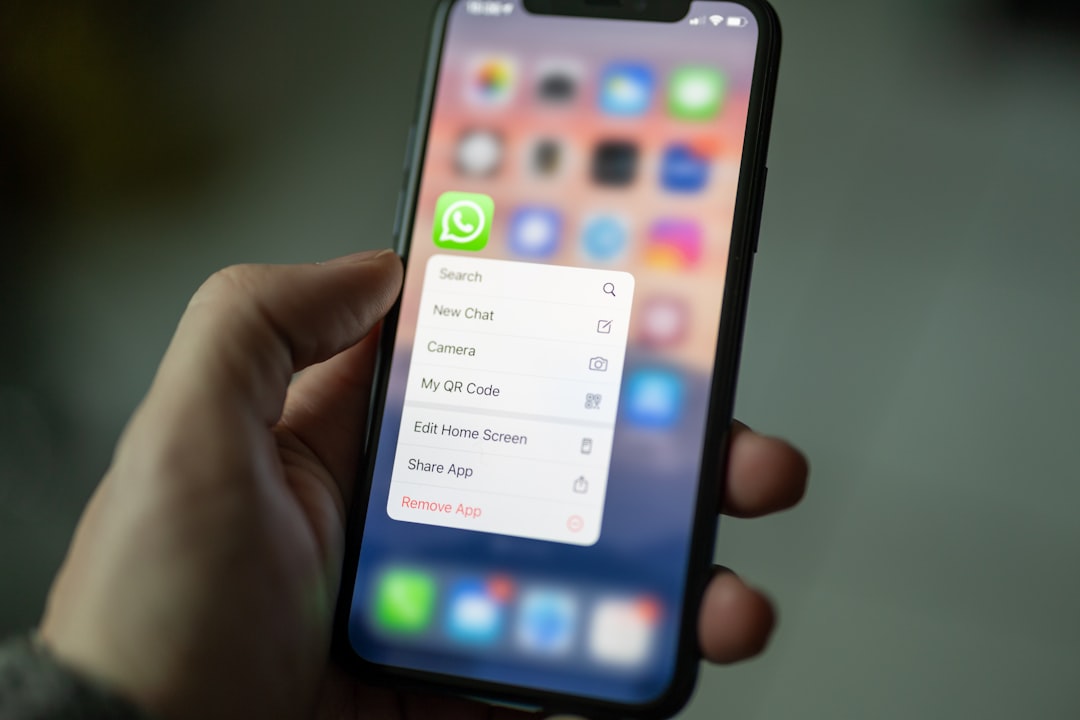
Texas Sues Meta: Is WhatsApp’s End-to-End Encryption Misleading?
The Texas Attorney General has filed a lawsuit against Meta, alleging that WhatsApp misleads consumers by claiming its messaging service provides full end-to-end encryption. According to court filings, the state contends that Meta maintains technical access to user communications, potentially through backup vulnerabilities or key management practices, despite public marketing asserting that not even the company can read private messages.
Why is the Texas Attorney General suing Meta?
The lawsuit alleges that Meta violated state consumer protection laws by misrepresenting the privacy features of WhatsApp. According to the complaint, while the platform uses the Signal protocol for messages in transit, the architecture allows for unauthorized access points. The state points specifically to unencrypted backups on services like iCloud or Google Drive as evidence that “end-to-end” protection is not as comprehensive as advertised. Meta maintains that end-to-end encryption is active by default for all private chats, stating in official responses that it cannot read user content.
Encryption is only as strong as its weakest link. Even if a message is secure in transit, a backup stored in plain text on a cloud server can be accessed by third parties or the service provider itself.
What are the technical risks of “partial” encryption?
Security researchers have long noted that “end-to-end” labels can be deceptive if they do not cover the entire lifecycle of a message. As seen in the recent Dashlane vault breach, even encrypted databases are vulnerable if key management is flawed. The Texas filing suggests that WhatsApp may retain sufficient metadata to reconstruct user communications. This creates a scenario where the promise of privacy is undermined by the practical reality of how data is stored and retrieved across different devices.
How does this lawsuit impact digital privacy standards?
This case creates a potential legal precedent for how technology companies market security features. If the court rules in favor of Texas, companies may be forced to provide more granular disclosures about where encryption ends and company access begins. This mirrors current challenges in AI safety, where security measures can inadvertently expose system weaknesses. For more on how safety features can backfire, see our analysis on AI security paradoxes.
To maximize your privacy on WhatsApp, manually disable cloud backups for your chat history and use the app’s built-in “Chat Lock” feature to add a layer of biometric authentication to sensitive conversations.
Frequently Asked Questions
- Does WhatsApp actually encrypt my messages?
According to Meta, WhatsApp uses the Signal protocol to encrypt messages in transit, meaning the content is protected while moving between devices. - Can Meta read my WhatsApp messages?
Meta claims it cannot read the content of private messages. The Texas lawsuit challenges this, arguing that technical vulnerabilities in backups and key management give the company potential access. - What is the risk of SIM swapping mentioned in the suit?
The state notes that because WhatsApp relies on phone numbers for verification, users remain vulnerable to SIM swapping attacks, which can compromise account access regardless of encryption status.
Privacy in the digital age is a moving target. Have you adjusted your messaging habits due to these concerns? Share your thoughts in the comments below or subscribe to our newsletter for the latest updates on data security litigation.