
The Case for a Low-Stakes Social Life in Adulthood
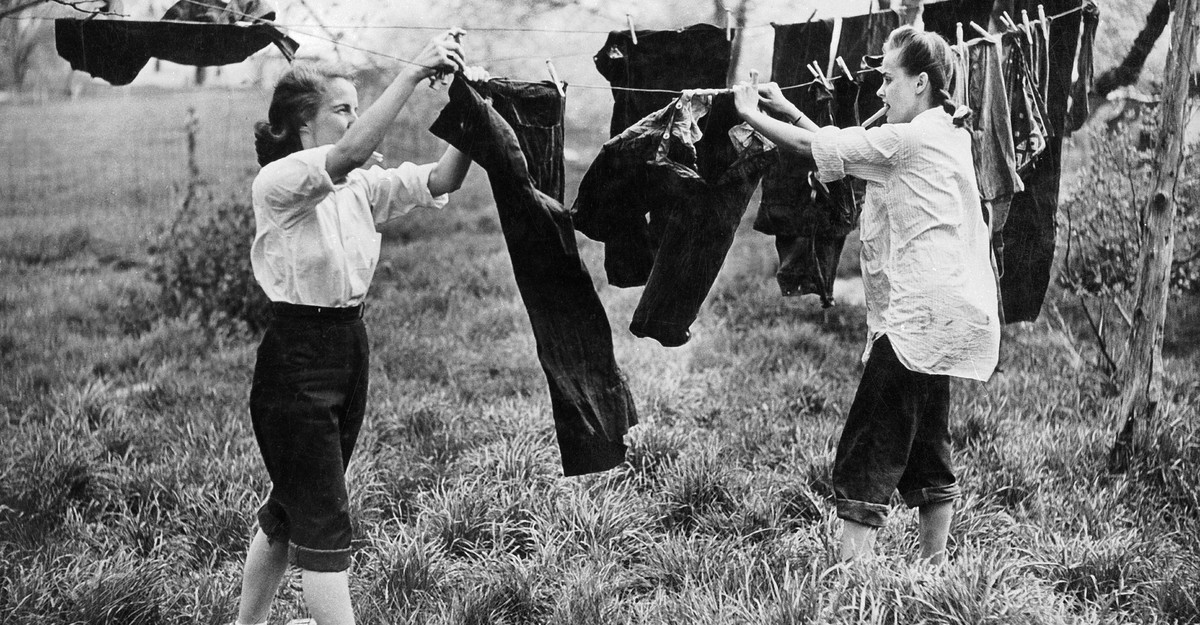
Adult friendships are increasingly defined by a preference for low-stakes, casual interaction over highly organized social commitments, according to recent reports. While traditional socialization often involves elaborate planning—such as advance dinner reservations or scheduled brunch outings—a shift toward integrating friends into the mundane activities of daily life, like folding laundry or packing for trips, is gaining recognition as a vital component of modern connection.
The Shift Toward Low-Stakes Socialization
The transition toward more accessible social interactions is driven by the logistical challenges of adult life, where the effort of organizing events can sometimes overshadow the time spent together. Julie Beck notes that the value of friendship often lies not in the activity itself, but in the willingness to invite others into the ordinary parts of one’s routine. This approach lowers the barrier to entry for social gatherings, allowing for more frequent, less pressured contact between peers.
The current trend toward solitary living is significant enough that it has been described as “the anti-social century,” with Derek Thompson reporting that Americans are spending more time alone now than at any point in the past.
The Impact of Social Isolation
The movement toward more spontaneous, low-stakes socialization emerges against a backdrop of increasing loneliness. According to reporting by Olga Khazan and Derek Thompson, there is a notable “friendship paradox” where individuals express a strong desire for more social time while simultaneously spending more time in isolation. This trend is not merely a lifestyle preference; it has the potential to alter individual personalities, influence political perspectives, and change how people perceive reality.
The shift toward “doing nothing” with friends may be a necessary adaptation to the modern struggle for connection. By reducing the pressure to curate “worthy” occasions, individuals may be able to reclaim social time that would otherwise be lost to the logistical fatigue of complex, high-stakes planning.
What May Happen Next
As awareness of the “friendship paradox” grows, social habits may continue to evolve. It is likely that more individuals will prioritize flexible, informal hangouts to combat the trend of increased isolation. However, researchers such as Jenny Singer point out that the desire for a large “crew” or friend group remains a common goal, even if it is not the statistical norm. Future social patterns may involve a balancing act between the desire for established groups and the practical reality of integrating friends into everyday life.

Frequently Asked Questions
Why is adult friendship often difficult to organize?
Adult friendship can feel like a feat of organization due to the need for advance planning, such as booking dinner reservations weeks in advance or finding mutually compatible times for brunch, according to the source.
What is the “friendship paradox”?
The paradox refers to the phenomenon where individuals express a strong desire for more time with friends, yet are spending more time alone than in previous years, as reported by Olga Khazan.
Is having a large friend group considered normal?
No, according to Jenny Singer, while many people yearn for a “crew,” having one is not actually the norm.
Are you finding it easier to connect with friends when you remove the pressure of a formal plan?