

The Night Sky This Week
The night sky in June 2026 features a super new moon on June 15 and the June solstice on June 21, according to reporting by Jamie Carter for Forbes. These events create a specific window for observing planetary alignments and the Beehive Cluster, though increasing satellite constellations may alter future visibility for amateur astronomers.
Why is the 2026 super new moon significant?
The super new moon occurring June 15, 2026, is the closest of the year. According to Forbes, this alignment results in the darkest skies of the month. This lack of lunar illumination allows observers to see fainter deep-sky objects that are typically washed out by moonlight.

Dark skies are essential for spotting the Beehive Cluster (M44) in the constellation Cancer. While visible to the naked eye in very dark environments, Carter notes that binoculars provide a clearer view of this misty patch of stars.
How does the June solstice change stargazing patterns?
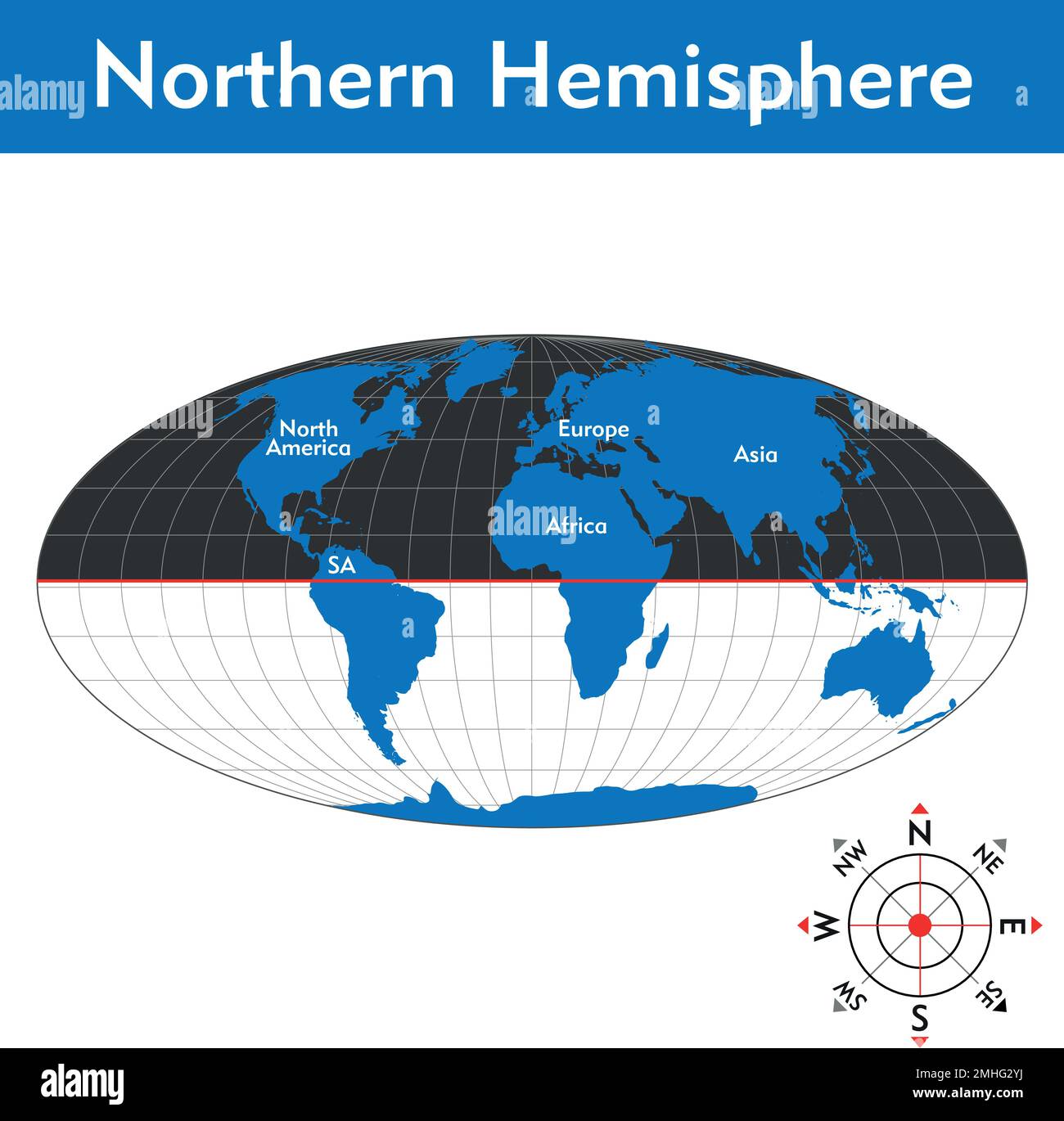
The June solstice arrives on Sunday, June 21, 2026, at 4:24 a.m. EDT. This event marks the longest day in the Northern Hemisphere and the shortest in the Southern Hemisphere. Because the sun barely dips below the horizon in northern latitudes, true darkness often disappears entirely.
Astronomers must pivot their targets during this period. According to the Forbes report, observers should focus on “twilight targets” that remain visible even without total darkness, specifically the moon, bright planets like Venus and Jupiter, and primary stars such as Regulus in Leo.
This celestial timing aligns with urban phenomena like the “Manhattanhenge Effect.” This 44-day period in New York City sees the setting sun align perfectly with the city’s street grid, blending astronomical timing with urban architecture.
Will satellite constellations permanently alter the night sky?
The rise of private space ventures introduces a conflict between technological progress and astronomical preservation. Jamie Carter highlights concerns that the SpaceX IPO and subsequent satellite deployments could “permanently scar” the night sky. This refers to the increasing number of bright satellites crossing the fields of view of both professional and amateur telescopes.
This creates a sharp contrast in the viewing experience. While traditional targets like the Beehive Cluster remain constant, the background of the sky is becoming increasingly crowded with human-made objects. This shift forces astronomers to rely more heavily on precise timing and digital planning tools to find clear windows for observation.
What tools are improving the amateur astronomy experience?
Digital integration is changing how people interact with the sky. English Heritage now utilizes livestreams for events like the solstice gathering at Stonehenge, allowing global audiences to witness celestial alignments in real-time.
Furthermore, the use of binoculars has become a primary recommendation for mid-tier observing. For example, on June 18, 2026, Venus and the Beehive Cluster will be close enough to fit within the same binocular field of view, according to the provided timeline.
Quick Reference: June 2026 Sky Events
| Date | Event | Visibility Note |
|---|---|---|
| June 15 | Super New Moon | Darkest skies of the month |
| June 17 | Moon Occults Venus | Daylight view (North America) |
| June 21 | June Solstice | Longest day (North) |
Frequently Asked Questions
When is the June solstice in 2026?
The solstice occurs on June 21, 2026, at 4:24 a.m. EDT.

What is a super new moon?
It is a new moon that occurs when the moon is at its closest point to Earth in its orbit, as seen on June 15, 2026.
How can I see the Beehive Cluster?
According to Forbes, it is visible as a faint, misty patch in the constellation Cancer. Binoculars are recommended for the best view.
What is Manhattanhenge?
It is a 44-day period when the setting sun aligns with the New York City street grid.
Which celestial event are you most excited to track this year? Let us know in the comments below or subscribe to our newsletter for monthly stargazing guides.