
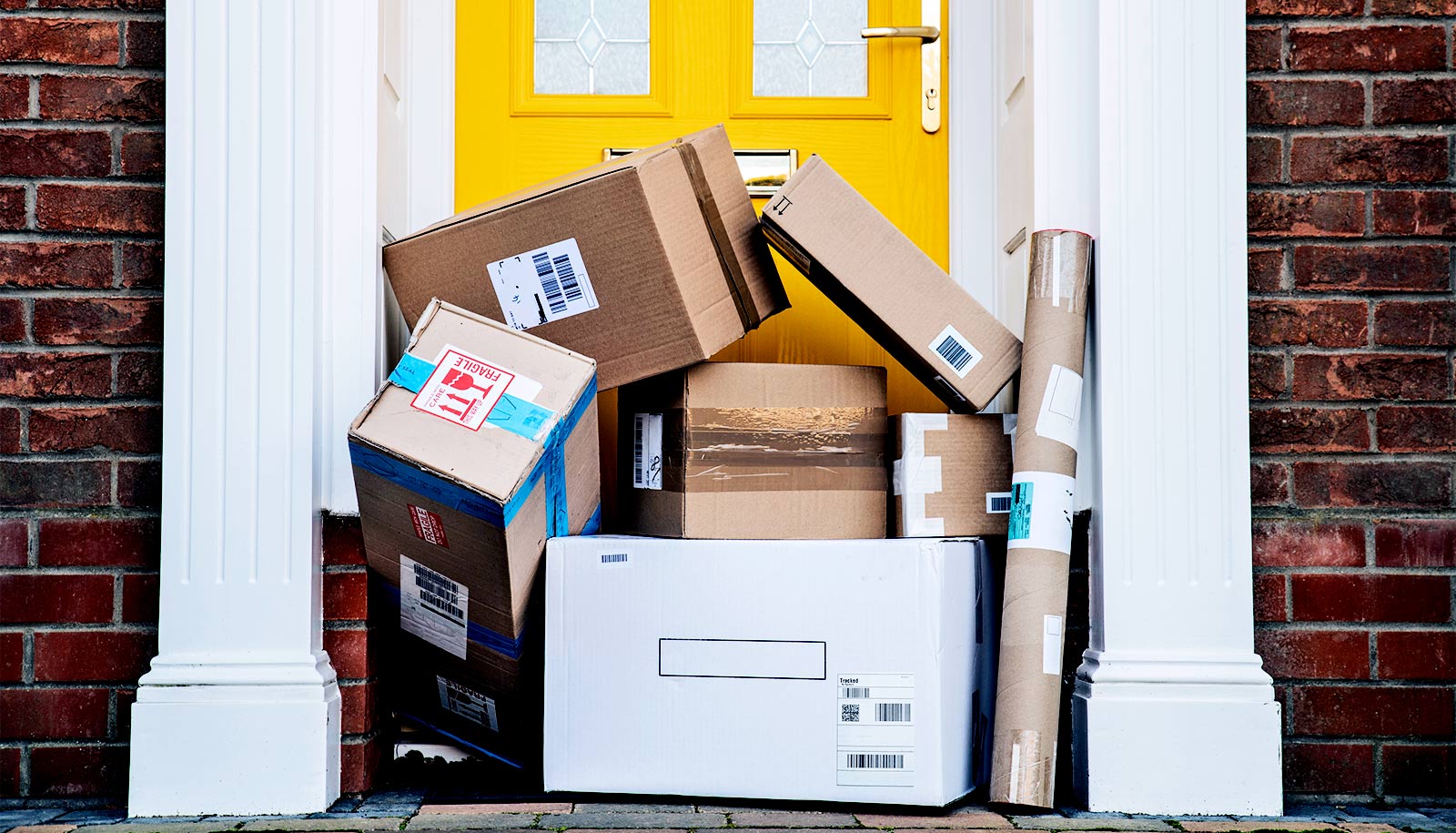
The Urban-Rural Divide in US Last-Mile Delivery Trends
New research highlights a persistent geographic divide in how Americans receive their goods. While the demand for home delivery has evolved significantly over the last decade, a study published in the International Journal of Physical Distribution & Logistics Management reveals that urban and rural consumers continue to rely on different shopping habits.
Researchers analysed millions of shopping transactions spanning 2010 to 2023, utilizing data from approximately 60,000 households. The findings indicate that while home delivery—often referred to as “last-mile fulfillment”—rose in popularity nationwide, the growth was not uniform across all regions.
The Drivers of the Delivery Divide
The disparity between urban and rural shopping patterns is rooted in daily realities. In dense city environments, factors such as traffic congestion and limited parking make traditional errands time-consuming, positioning home delivery as a convenient, time-saving alternative.
higher order volumes in cities allow retailers to offer more efficient, lower-cost delivery options. Conversely, many rural consumers often find that a single trip to town for groceries, prescriptions, and other essentials remains more practical than waiting for multiple separate packages to arrive.
Lasting Changes and Future Implications
The COVID-19 pandemic acted as a major catalyst for change, with online shopping surging across the country. However, the increase in the likelihood of shopping online in cities was twice that of rural areas. Perhaps most significantly, this elevated demand did not recede when lockdowns ended.
Moving forward, these persistent trends are likely to influence the strategic decisions of retailers and logistics firms. Companies will continue to prioritize investments in city-based fulfillment centers, micro-warehouses, and parcel lockers to meet sustained urban demand. Meanwhile, the study suggests that rural areas may continue to rely more heavily on physical stores, as there appear to be limits to how much delivery demand can be stimulated by infrastructure improvements alone.
Frequently Asked Questions
What are “last-mile fulfillment services”?
These services represent the final step in the delivery process, where goods are moved from a warehouse or fulfillment centre directly to a customer’s doorstep.
Did the demand for home delivery return to pre-pandemic levels after 2020?
No. The research found that demand remained elevated through 2023, as many consumers who initially turned to delivery out of necessity adopted it as a lasting preference.
Why do rural areas show slower adoption of home delivery compared to cities?
The research points to several factors, including the practicality of making one trip to town for multiple essentials, as well as differences in infrastructure and daily travel patterns that make traditional retail more viable for rural shoppers.
How has your personal approach to shopping and delivery changed compared to your habits from a few years ago?