
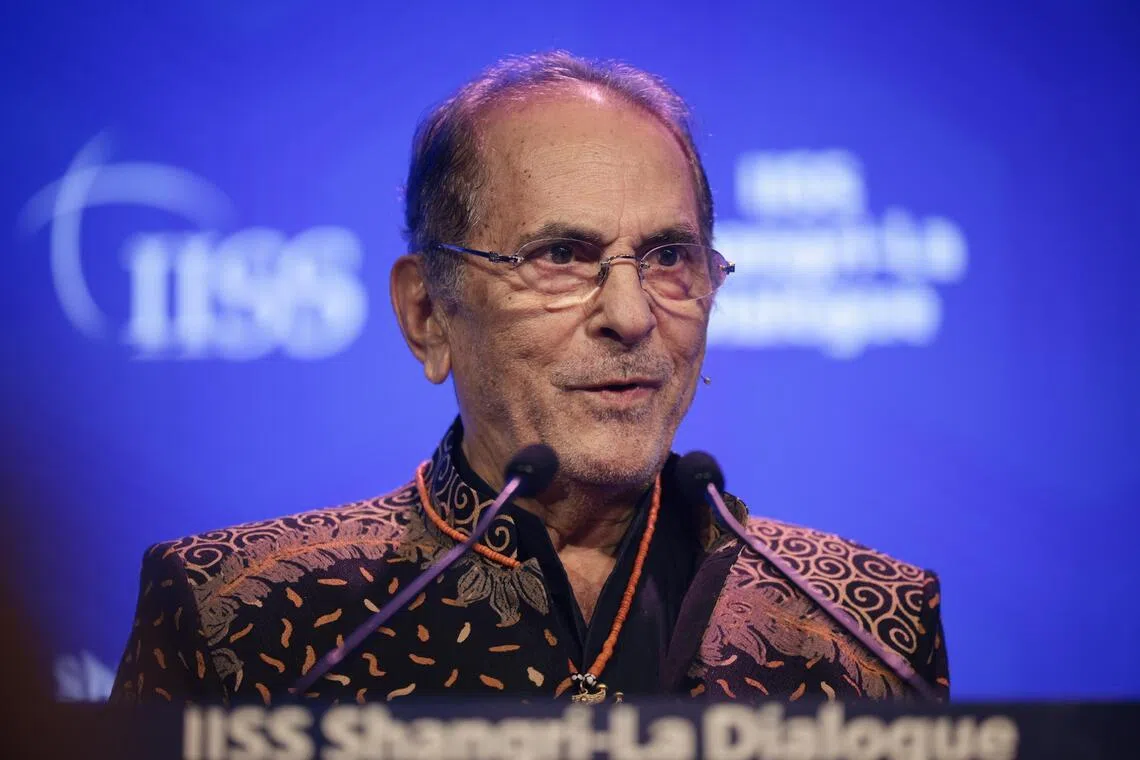
Timor-Leste’s leader floats idea of retired South-east Asia general to guide Myanmar peace talks
The “General” Strategy: Can Military Diplomacy Break the Myanmar Deadlock?
For years, the international community has watched Myanmar’s civil war descend into a cycle of violence that seems immune to traditional diplomacy. While ASEAN’s “Five-Point Consensus” remains the official playbook, progress has stalled, leaving the region searching for a breakthrough. Now, Timor-Leste’s President Jose Ramos-Horta is proposing a radical shift: leveraging the unique, often unspoken language of military-to-military communication.
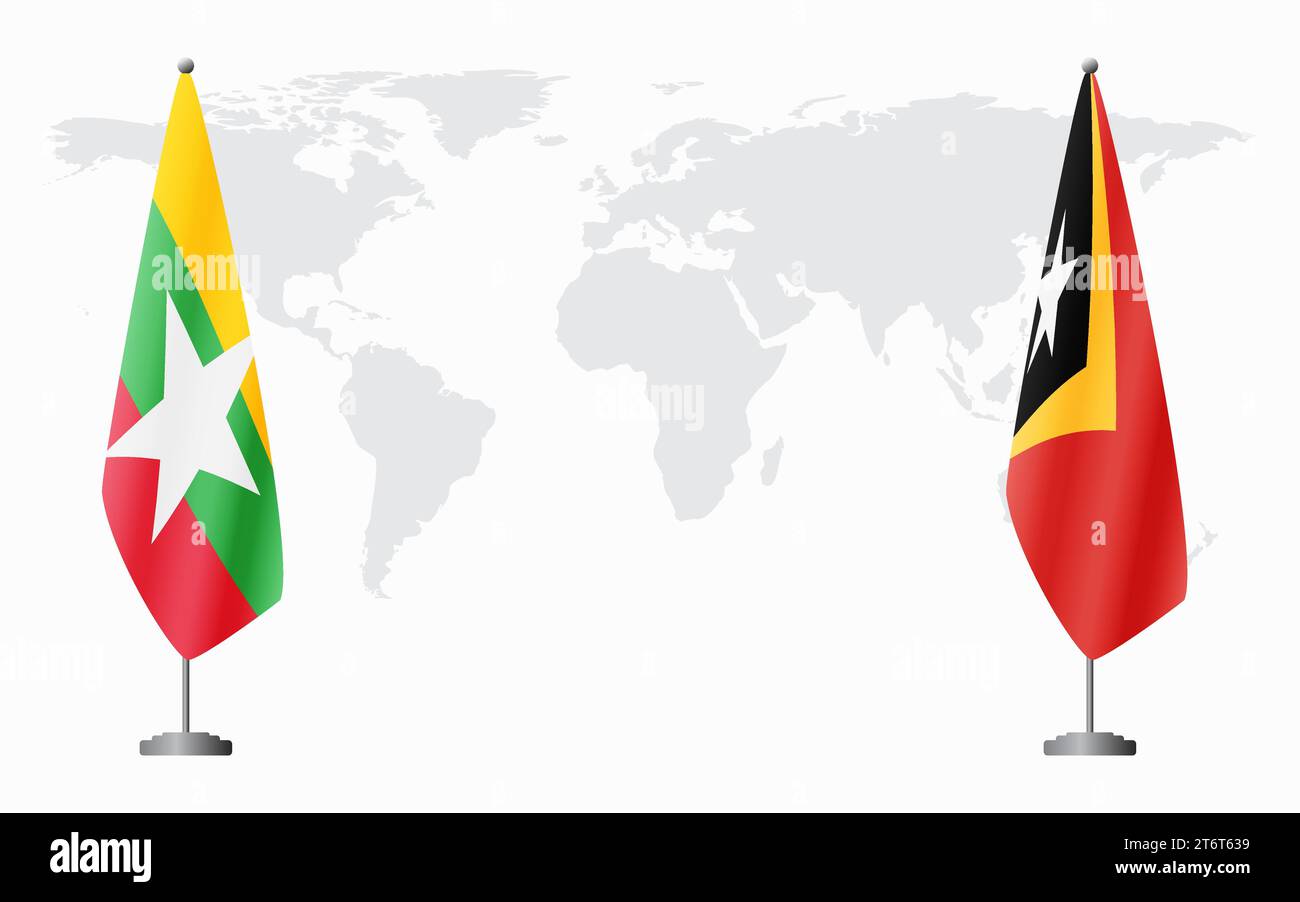
The Nobel laureate suggests that the path to a ceasefire might not be paved by diplomats in suits, but by a retired four-star general capable of speaking directly to the Tatmadaw—Myanmar’s military leadership—on their own terms.
Why the Military-to-Military Approach Matters
The core of the proposal is simple: gather the Tatmadaw, ethnic armed organizations, and democratic opposition “under a tent” with no preconditions. By appointing a retired general as a mediator, the region could tap into a shared professional ethos that transcends political ideology.

This isn’t just theory. Former Thai foreign minister Kasit Piromya has echoed similar sentiments, advocating for a “soldier-to-soldier” engagement. The logic is compelling: military leaders are often more willing to listen to a peer who understands the operational realities of the battlefield than to a politician they view as an ideological adversary.
Drawing Lessons from Guinea-Bissau
President Ramos-Horta draws from his own experience as a UN special representative in West Africa. During his tenure in Guinea-Bissau, he frequently requested the presence of retired US generals to help navigate negotiations with local military factions. The strategy proved effective because it provided a level of trust that civilian mediators simply could not replicate.
The Future of ASEAN Mediation
As ASEAN grapples with the “elephant in the room,” the bloc is likely to face increasing pressure to evolve its mediation strategy. The current reliance on formal envoys has been hampered by restricted access to key figures, including detained leader Aung San Suu Kyi.
Future trends in regional conflict resolution suggest a move toward:
- Multi-Track Diplomacy: Combining traditional ASEAN political dialogue with back-channel military mediation.
- Humanitarian Corridors: Prioritizing “unrestricted access” as a precursor to political talks, rather than a result of them.
- Independent Judiciary Oversight: Utilizing member states with strong legal frameworks to handle international criminal complaints, as seen with the Timor-Leste example.
Frequently Asked Questions
- What is the “Five-Point Consensus”?
- It is the primary ASEAN peace plan for Myanmar, focusing on ending violence, delivering humanitarian aid, and appointing an envoy to facilitate mediation.
- Why would a retired general be an effective mediator?
- Military officers often share a common professional vocabulary and respect for hierarchy, which can lower barriers to communication with entrenched regimes like the Tatmadaw.
- Is this a permanent solution?
- No, This represents intended as a confidence-building measure to stop the immediate humanitarian crisis and open doors for formal political negotiations.
Moving Beyond the Status Quo
The conflict in Myanmar is not just a national crisis; it is a regional test of ASEAN’s relevance. As the situation remains fluid, the willingness of leaders like President Ramos-Horta to challenge conventional diplomatic norms may be the catalyst the region needs.
Whether this “tent approach” becomes official policy remains to be seen, but the message is clear: when traditional methods fail, the solution may lie in unconventional, pragmatic leadership.
What do you think? Is military-to-military diplomacy a viable path forward for Myanmar, or does it risk legitimizing the current regime? Share your thoughts in the comments below or subscribe to our newsletter for deep dives into Southeast Asian geopolitics.