
Tropical Storm Cristina Threatens Nicaragua With Heavy Rain
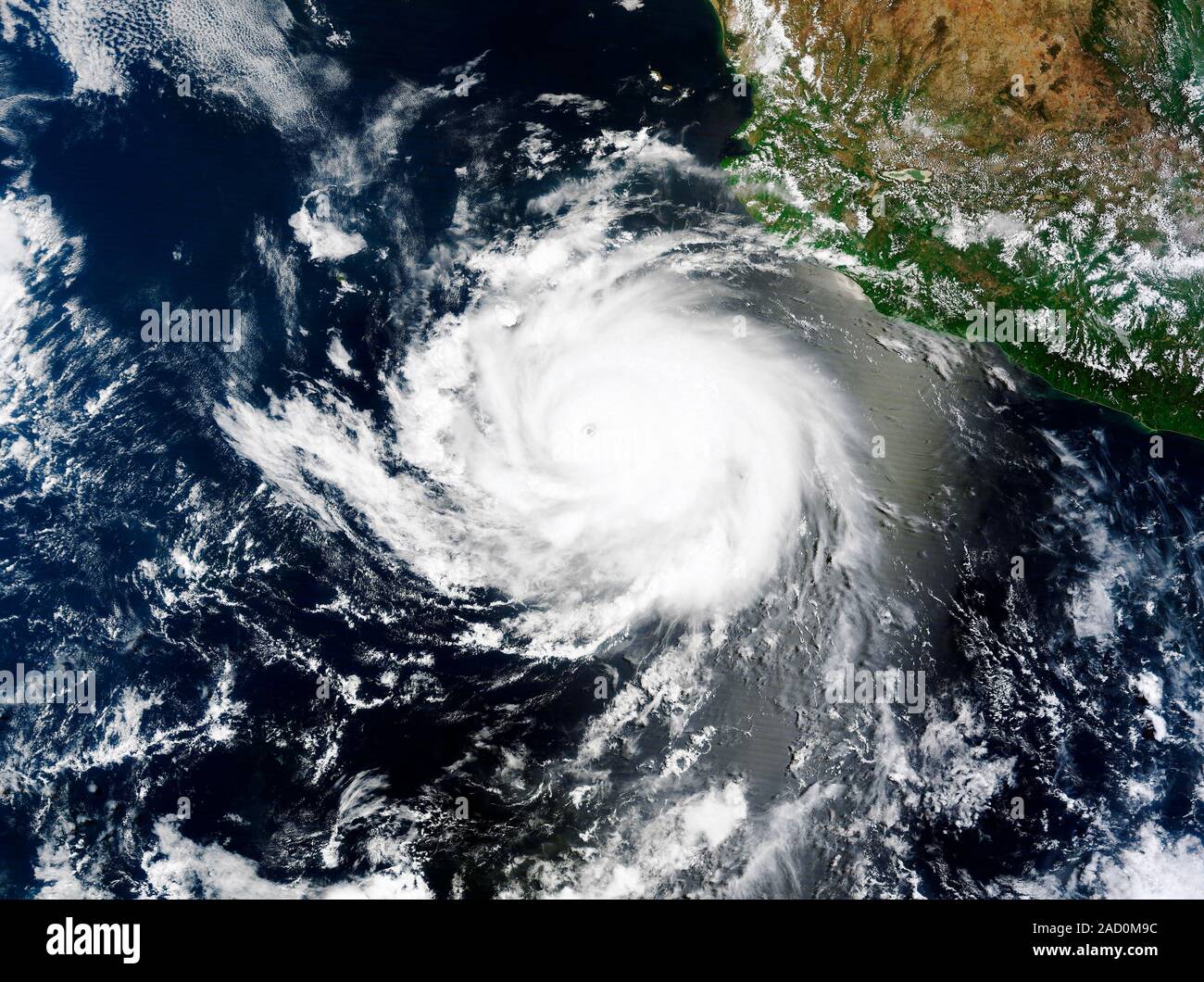
Tropical Storm Cristina has formed in the eastern Pacific, marking the third named system of the season in less than ten days. According to meteorological data from June 2026, the storm poses a significant threat to Central America, with forecasts predicting up to 300 mm of rainfall and potential life-threatening flooding for regions including Nicaragua. This rapid formation reflects a season running approximately one month ahead of historical averages.
Why is this tropical season considered hyperactive?
The 2026 Pacific hurricane season is tracking significantly ahead of schedule, with three named storms—Amanda, Boris, and Cristina—forming within a ten-day window in early June. Meteorologists note that the third named storm typically does not appear until July 6. According to climate records, the first system in the eastern Pacific usually develops around June 10, meaning this year’s activity has arrived well ahead of the standard climatological baseline.
The average date for the first named storm in the eastern Pacific is June 10, while the first hurricane typically develops around June 26. This year’s early activity is significantly outpacing those historical milestones.
What are the primary risks associated with Tropical Storm Cristina?
While Cristina is packing sustained winds of 65 km/h, the primary threat to life and property is heavy precipitation. Meteorologist Bissem Boujnane warns that the water, rather than the wind, will likely cause the most significant damage. Infrastructure in areas like Managua, Nicaragua, faces risks of flash flooding and landslides as rainfall totals could reach between 200 mm and 300 mm. Additionally, coastal areas are under alert for storm-driven waves exceeding 4 meters in height.
How does El Niño influence hurricane development?
The intensity of the 2026 season is heavily influenced by the El Niño climate pattern. According to seasonal outlooks, El Niño typically fosters active conditions in the eastern Pacific basin, leading to earlier and more frequent storm development. Conversely, this same phenomenon often creates unfavorable wind shear and atmospheric conditions that suppress storm formation in the Atlantic basin. While the Pacific is currently experiencing an early start, the Atlantic remains relatively quiet, as it typically sees its first named system around June 20 and its first hurricane near August 11.
Comparison of Basin Activity Trends
| Metric | Eastern Pacific | Atlantic |
|---|---|---|
| Avg. 1st Named Storm | June 10 | June 20 |
| Avg. 1st Hurricane | June 26 | August 11 |
Residents in high-risk zones should monitor local government flood alerts and ensure emergency kits are accessible, as rapid rainfall accumulation can lead to sudden, localized flooding even when wind speeds remain low.
Frequently Asked Questions
- Why is it raining so much during Tropical Storm Cristina? The storm is drawing significant moisture toward the coast, with localized totals expected to hit 300 mm, creating a high risk for landslides.
- Is this season normal compared to previous years? No, this season is considered hyperactive, with the third named storm arriving nearly a month earlier than the historical average.
- What role does El Niño play in these storms? El Niño provides warmer water temperatures and atmospheric conditions that favor storm development in the Pacific while hindering it in the Atlantic.
Stay informed on the latest weather developments by subscribing to our severe weather newsletter. Do you have questions about how these climate patterns affect your region? Share your thoughts in the comments below.