
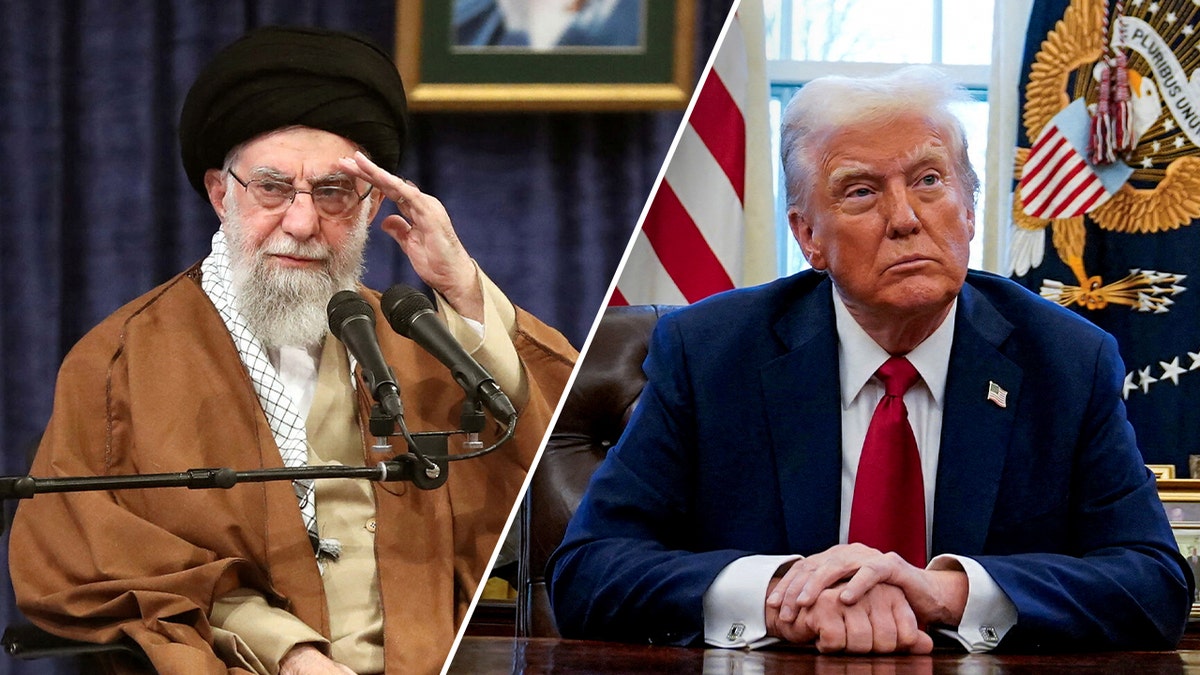
Trump and Iran Clash Over Nuclear Inspection Claims
President Trump reported that Iran agreed to “highest level” inspections, though an Iranian official countered that no detailed nuclear discussions took place. This contradiction underscores the diplomatic friction between the two nations, where opposing narratives often mask the actual progress—or lack thereof—regarding nuclear verification and monitoring.
Why do the US and Iran report different outcomes of nuclear talks?
The discrepancy stems from a fundamental disagreement over what constitutes a “discussion” and what constitutes an “agreement.” President Trump stated that Iran committed to the “highest level” of inspections, implying a breakthrough in transparency. Conversely, an Iranian official claimed there were “no detailed discussions on the nuclear issue,” suggesting the talks didn’t even reach the stage of technical negotiation.
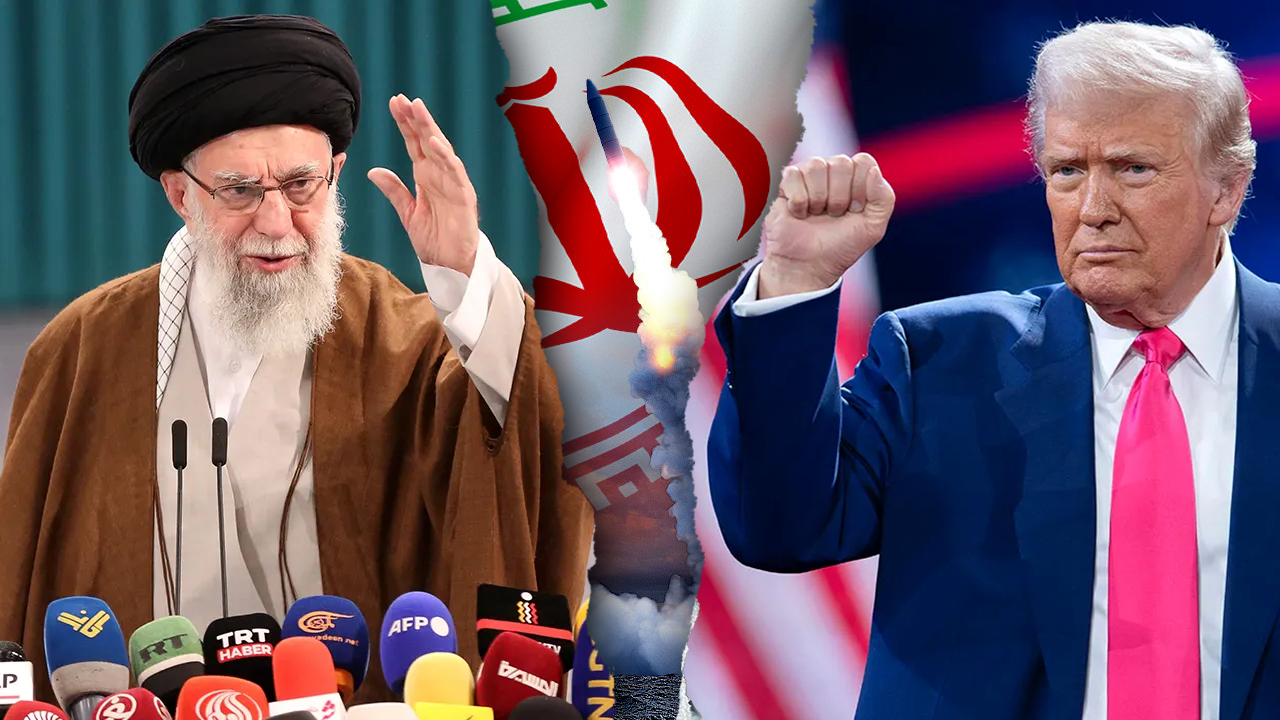
This pattern of divergent storytelling isn’t new. It’s a diplomatic tactic used by both sides to signal strength to their domestic audiences. By claiming a win, the U.S. suggests leverage; by denying progress, Iran avoids appearing to have conceded under pressure.
What happens if “highest level” inspections are implemented?
If the U.S. narrative holds and high-level inspections occur, the focus shifts to the International Atomic Energy Agency (IAEA). The agency would need to verify uranium enrichment levels and ensure no clandestine stockpiling is happening. This would likely lead to a phased reduction in economic sanctions, as the U.S. typically ties sanctions relief to verifiable transparency.
.jpg/560px-International_Durastar_4400_(16279366960).jpg "What happens if \"highest level\" inspections are implemented?")
However, if the Iranian official’s account is accurate, the trend points toward a stalemate. Without “detailed discussions,” there’s no roadmap for technical compliance. This leaves the region in a state of managed tension, where the risk of miscalculation increases as both sides maintain public contradictions.
The risk of “Narrative Collapse”
When two superpowers present opposite versions of a meeting, it creates a “narrative collapse.” Investors and regional allies can’t rely on official statements, leading them to watch concrete actions—like the movement of centrifuges or the lifting of shipping bans—rather than press releases. It’s a shift from diplomatic trust to raw data verification.
How does this conflict mirror previous nuclear disputes?
This clash mirrors the friction seen during the original Joint Comprehensive Plan of Action (JCPOA) negotiations. Back then, the primary sticking point wasn’t just if inspections would happen, but how they would be triggered. The current disagreement over whether discussions even occurred is a regression to an earlier stage of diplomatic hostility.
Compare the two narratives side-by-side:
| U.S. Position (Trump) | Iranian Official Position |
|---|---|
| Agreement reached on “highest level” inspections. | No detailed nuclear discussions occurred. |
| Implies a breakthrough in verification. | Implies no technical progress was made. |
Future Trends: What to watch for next
Expect a trend of “incremental verification.” Instead of one grand deal, the two sides may move toward small, verifiable wins. This could include a temporary freeze on specific enrichment levels in exchange for limited sanctions waivers.
Another trend is the increasing role of third-party mediators. Since the U.S. and Iran can’t agree on what they said in the same room, they’ll likely rely more on European intermediaries to vet the terms of any future agreement before they go public.
Frequently Asked Questions
What are “highest level” inspections?
They are intrusive monitoring processes, often via the IAEA, that allow inspectors to visit undeclared sites to ensure no secret nuclear weapons programs exist.
Why is there a contradiction in the reports?
Both sides use public statements to signal strength and manage expectations for their own domestic and international audiences.
Who verifies these agreements?
The International Atomic Energy Agency (IAEA) is the global watchdog responsible for verifying that nuclear programs remain peaceful.
What do you think? Is the gap between these two narratives a sign of a secret deal or a total diplomatic failure? Let us know in the comments below, or subscribe to our newsletter for more deep dives into global security trends.