

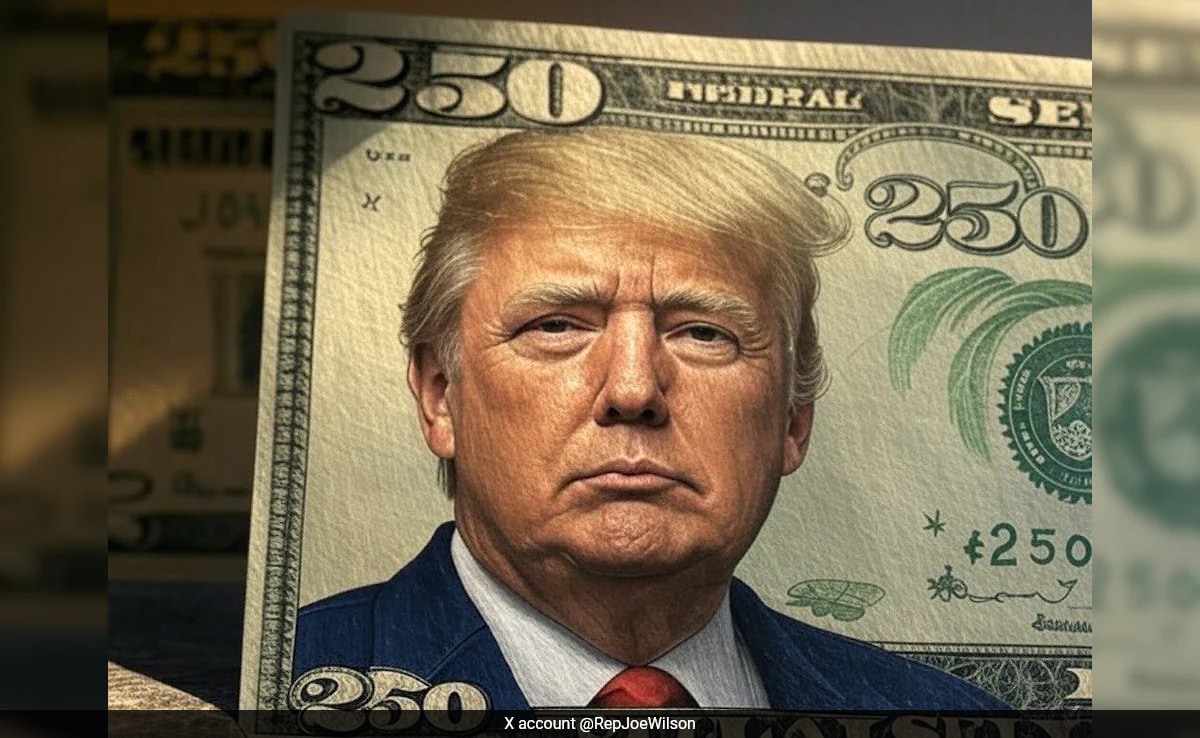
Trump Pushes for New $250 Bill Featuring His Portrait
The Trump administration is reportedly pressuring U.S. Currency officials to design a new 250-dollar bill. This proposed banknote would feature the portrait of the sitting president, Donald Trump.
The move has sparked significant internal conflict within the agency responsible for printing the nation’s money. Tensions escalated as the administration demanded prototypes for the new denomination.
Institutional Resistance and Leadership Changes
Patricia Solimene, a prominent director at the mint, reportedly opposed the project, citing substantial legal and practical obstacles. Shortly after refusing to comply with these demands, Solimene was abruptly removed from her position.
“The bill stopped here,” Solimene stated in an internal email to colleagues, asserting that she never sacrificed her values or those of the organization.
Legal Barriers and Legislative Hurdles
Legal experts warn that depicting a living person on U.S. Currency would directly violate existing law. Since 1866, federal regulations have strictly prohibited the use of living individuals on banknotes, reserving such honors for the deceased.
For example, Abraham Lincoln is featured on the currency because he passed away in 1865. To make a “Trump bill” a reality, Congress would need to pass a specific resolution to change this historical law.
Economic Criticism and Implementation Timelines
The proposal has also drawn sharp criticism from political opponents. Former Secretary of State Hillary Clinton used social media to argue that Trump’s economic policies would eventually render the bill’s value negligible.
Clinton suggested that by the end of the president’s term, a 250-dollar bill might only be sufficient to purchase a carton of eggs and a few liters of gasoline.
The Path Forward
While Republicans have already introduced a bill to address the issue, the legislation has currently stalled in committee work. Even if approved, the process of implementation is extensive.
Sources within the mint indicate that the full process of approval, design, and implementing anti-counterfeiting measures typically takes between six and ten years. The bill may not be realised within the current administration’s timeframe.
Frequently Asked Questions
Is it legal to put a living person on a U.S. Bill?
No. Since 1866, it has been strictly forbidden to depict living persons on U.S. Currency; only deceased persons may be featured.
Who opposed the 250-dollar bill internally?
Patricia Solimene, a director at the mint, opposed the bill due to legal and practical hurdles and was subsequently removed from her post.
How long does it take to create a new dollar bill?
According to mint sources, the process of approving, designing, and securing a new bill against counterfeiting usually takes six to ten years.
Do you believe the U.S. Currency should be updated to reflect current political figures, or should historical laws remain unchanged?