

UEFA Champions League Final: UK Paywall Drives Massive Piracy and Lower Viewership
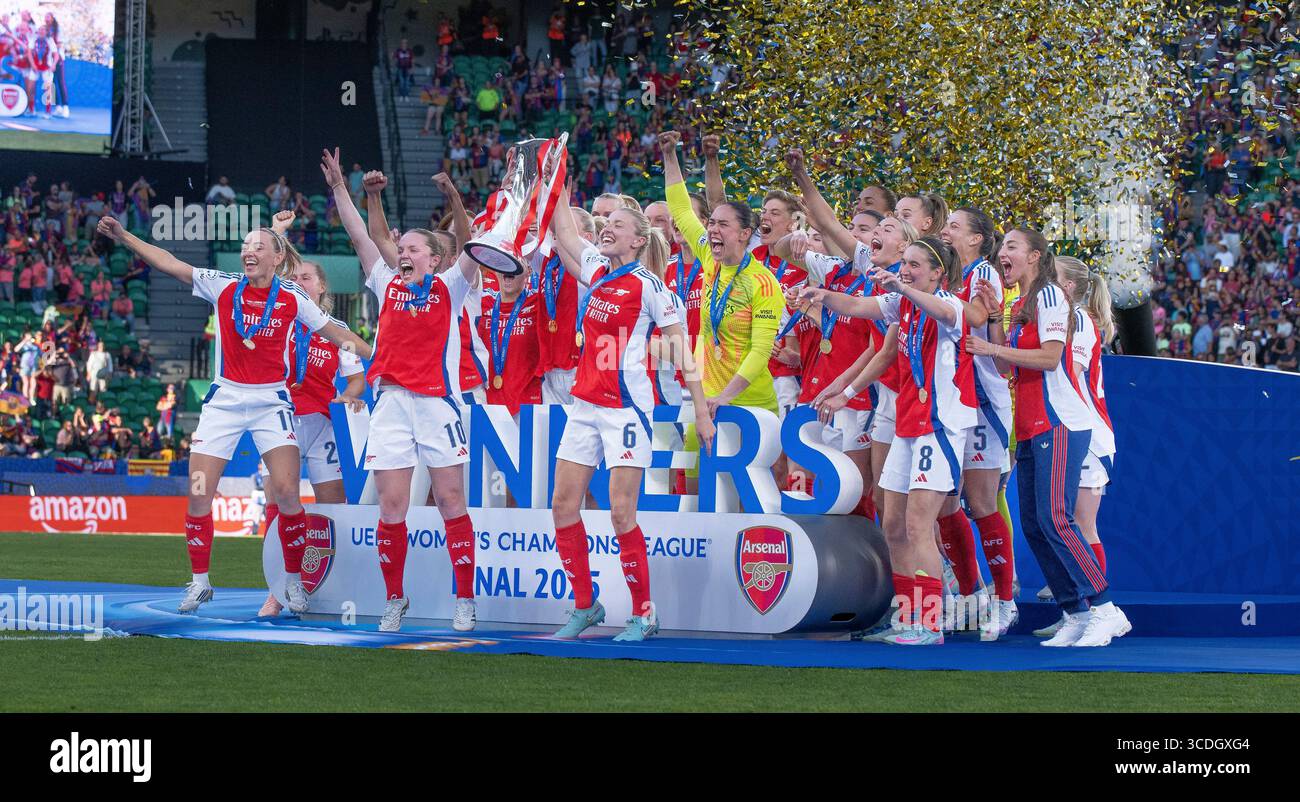
The 2026 Uefa Champions League final between Arsenal and Paris St Germain marked a significant shift in broadcasting strategy, as the match was held exclusively behind a paywall in the UK for the first time. Warner Bros Discovery (WBD), the parent company of TNT Sports, opted against offering free-to-air (FTA) coverage, a departure from the practices of previous years where the final was accessible via mobile apps, YouTube, or dedicated FTA channels.
While the broadcaster reported seven million viewers and a 25.6 per cent audience share, the decision faced criticism from the UK government and unease from Uefa. The move was intended to drive subscriptions to the newly launched HBO Max in the UK, leveraging the high interest surrounding Arsenal’s first final appearance since 2006.
The Growing Shadow of Digital Piracy
The decision to forgo FTA coverage appears to have had a measurable impact on illegal viewership. Data from The Guardian and Gaming Compliance International indicates that 16.2 million views of illegal streams occurred in the UK, linked to 3.7 million unique IP addresses. This figure represents more than half of the total legal audience, highlighting a mounting challenge for rights holders.
By contrast, the French market saw a combined audience of 12.9 million viewers, with 9.8 million tuning in via the FTA network M6. This disparity underscores the potential reach lost when premium sports content is restricted solely to pay-TV platforms.
Future Implications for Uefa Rights
As TNT Sports nears the end of its contract in 2027, the broadcasting landscape is poised for change. Paramount+ has secured the rights for the 2027–2031 cycle, and there is a possibility that the Champions League could return to free-to-air platforms through its parent company, which owns the commercial network Channel 5.
Meanwhile, Uefa continues to aggressively expand its commercial portfolio. Following a deal with Alibaba for AI, cloud, and ecommerce services, the governing body is also in exclusive negotiations to secure a new partner in the sports betting category. With major sponsors like PepsiCo expected to renew at significantly higher valuations, the financial trajectory for Uefa’s club competitions remains on an upward curve, even as the methods of content distribution remain under intense scrutiny.
Frequently Asked Questions
Why was the 2026 Champions League final not on free-to-air television in the UK?
Warner Bros Discovery elected to keep the match behind a paywall to drive subscriptions to its new HBO Max service in the UK, as there was no contractual or legal obligation to provide the final for free.
How did piracy affect the viewership of the final?
Illegal streaming reached 16.2 million views across 3.7 million unique IP addresses in the UK, a figure representing more than half of the legal viewership, which suggests a growing risk to the value of premium sports rights.
What changes are expected for Champions League broadcasting after 2027?
Paramount+ will take over the majority of match rights for the 2027–2031 cycle. Because its parent company owns the commercial network Channel 5, the final could return to free-to-air television in some capacity.
Do you believe that major sporting finals should be legally protected as free-to-air events regardless of broadcasting rights agreements?