

Ukraine Strikes Russian Weapons Plant Protected by Anti-Drone Cages
Ukraine has expanded its long-range strike capabilities using the FP-5 Flamingo cruise missile to target the VNIIR Progress plant, a key Russian producer of navigation equipment for Kalibr and Iskander missiles. This shift toward heavy, indigenous missiles renders traditional Russian drone defenses, such as building-mounted “cages,” ineffective against large-scale warheads, according to reports from Business Insider.
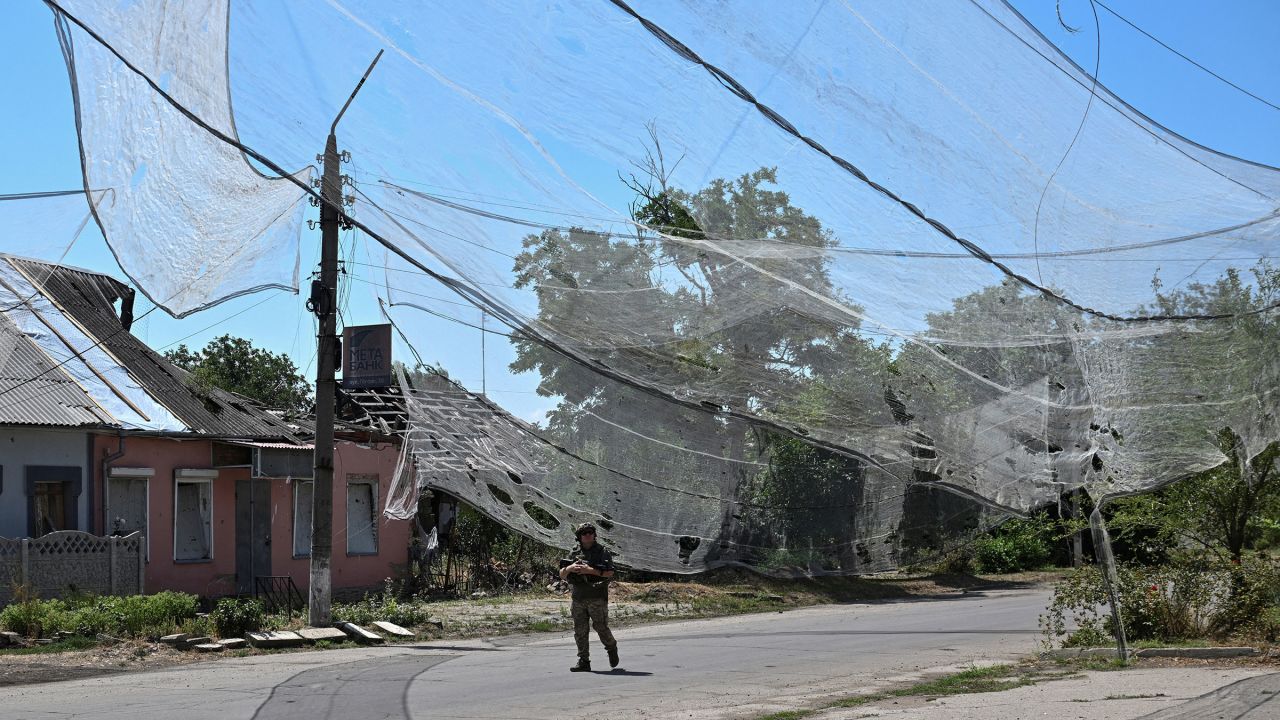
Why is Russia putting drone cages on buildings?
Russia has begun installing metal “cage” armor around industrial buildings to thwart drone attacks, a tactic previously reserved for tanks and armored vehicles. Satellite imagery analyzed by Vantor shows these cages have been in place at some sites for at least a year. While these nets protect against small FPV (first-person view) drones by detonating them before they hit the main structure, they offer little protection against heavy ordnance.
According to Business Insider, these defenses are becoming more common at energy facilities and supply routes. However, the application of this armor to a permanent building is unusual. It signals a growing Russian concern over the precision and frequency of Ukrainian deep-strike drone operations.
How the FP-5 Flamingo changes long-range strikes
The recent strike on the VNIIR Progress plant revealed the use of the FP-5 Flamingo, a 12-meter cruise missile produced by the Ukrainian company Fire Point. This weapon represents a significant jump in firepower compared to the drones Ukraine has used for deep strikes in the past.

The Flamingo boasts a reported range of over 2,900 kilometers and carries a warhead weighing 1,024 kilograms. This payload is designed for structural destruction, not just attrition. While a drone might be stopped by a metal mesh, a one-ton warhead renders such “cage” defenses irrelevant.
Comparing Drone Strikes vs. Cruise Missiles
- Long-range Drones: Low cost, slower speed, smaller payloads, often stopped by electronic warfare or physical nets.
- FP-5 Flamingo: High speed, massive 1,024kg warhead, capable of destroying reinforced industrial hubs from thousands of kilometers away.
For more on the evolution of these weapons, see our analysis on modern cruise missile technology.
What is the strategic impact of targeting VNIIR Progress?
The Ukrainian military identified the VNIIR Progress plant as a critical hub for the Russian Federation’s high-precision weapons. The facility produces satellite navigation receivers and antennas used in several key weapon systems, including:
- Shahed drones (navigation components)
- Kalibr cruise missiles
- Iskander ballistic missiles
- Glide bombs
By hitting the “brain” of these weapons—the navigation equipment—Ukraine aims to cripple the accuracy of Russian missiles. President Volodymyr Zelensky described these operations as “Ukrainian sanctions for long-range” against military and petroleum infrastructure. This strategy targets the supply chain rather than just the finished product.
What happens next for Russian industrial defense?
The Institute for the Study of War (ISW) stated that the strike on VNIIR Progress, following a similar hit in early May, demonstrates Ukraine’s growing ability to sustain long-range attacks. Russia’s reliance on passive defenses like cages suggests a gap in their active air defense coverage for industrial zones.
Future trends indicate a shift toward “systemic degradation.” Ukraine also targeted a petroleum refinery in the Samara region during the same wave of attacks. This dual-track approach—hitting the navigation tech for missiles while simultaneously attacking fuel supplies—forces Russia to spread its air defenses thin across a massive geographic area.
According to ISW, the ability to maintain these strikes suggests that Ukraine is building a permanent, indigenous arsenal of long-range weapons that does not rely solely on foreign approvals for target selection.
Frequently Asked Questions
What is a drone cage?
A drone cage is a metal screen or mesh installed over a vehicle or building to trigger a drone’s fuse before it makes contact with the primary target.

How far can the FP-5 Flamingo travel?
According to reports, the FP-5 Flamingo has a range exceeding 2,900 kilometers.
Why is VNIIR Progress a high-value target?
It produces the navigation equipment essential for the accuracy of Russia’s most dangerous missiles, including the Iskander and Kalibr.
What do you think about the shift toward indigenous long-range missiles in modern warfare? Share your thoughts in the comments below or subscribe to our newsletter for deeper defense analysis.