
Ukraine War: Latest Updates on Drone Attacks, Baltic Interceptions and US Intelligence Reports
The conflict in Ukraine is intensifying on multiple fronts, marked by a record-high civilian casualty toll, increased drone warfare targeting Russian infrastructure, and rising regional tensions in the Baltic Sea. According to the United Nations Human Rights Mission, May 2026 saw at least 274 civilians killed and 1,763 injured, the highest monthly figure in four years. Simultaneously, Sweden and NATO have increased aerial patrols to intercept Russian military aircraft, while U.S. intelligence officials have raised concerns regarding the security of biological research facilities in the region.
Why are civilian casualties in Ukraine reaching record levels?
The United Nations reports that the surge in civilian casualties is primarily driven by the Russian military’s increased use of heavy weaponry in urban environments. UN spokesperson Stephane Dujarric confirmed that the May 2026 death and injury toll represents a four-year peak. This escalation highlights the growing danger to non-combatants as the conflict shifts deeper into populated residential and infrastructure zones. UNICEF has corroborated the severity of the situation, noting that more than 25 children were injured in a single week during June 2026.
Beyond physical infrastructure, the cultural landscape of the conflict is shifting. The Ukrainian parliament recently passed legislation revoking the “protected status” of the Russian language, a move officials argue is necessary for national security, though it remains a point of significant socio-political contention.
How is the conflict impacting regional security in the Baltic?
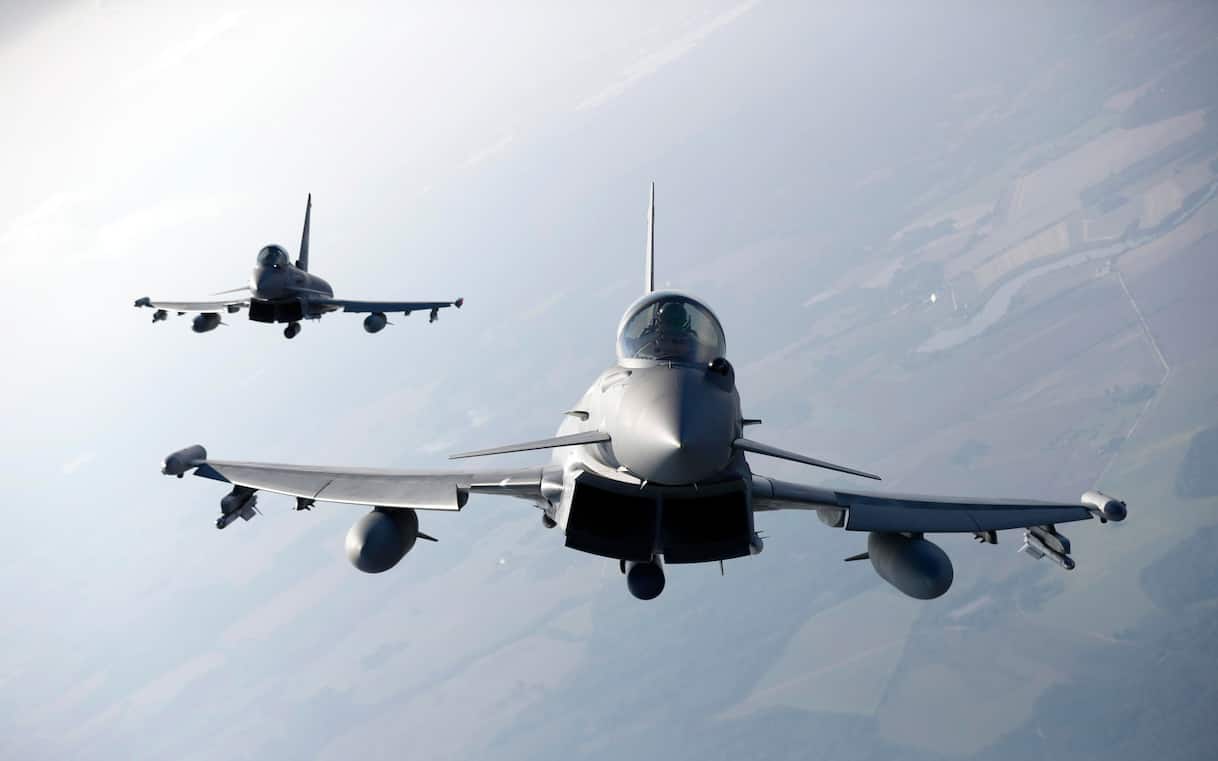
Tensions in the Baltic Sea have prompted urgent responses from the Swedish military and NATO forces. On June 12, 2026, the Swedish Armed Forces scrambled JAS 39 Gripen fighters to intercept two Russian combat aircraft operating near the Swedish border. While Vice Admiral Ewa Skoog Haslum confirmed that no Russian planes violated Swedish airspace, she characterized the maneuvers as a “recurrent behavior” that threatens regional integrity. This follows Sweden’s formal accession to NATO in March 2024, which has fundamentally altered the security architecture of the Baltic region.
What are the risks surrounding biological laboratories in the region?
A report published by the U.S. Office of the Director of National Intelligence (DNI), signed by outgoing director Tulsi Gabbard, identifies potential vulnerabilities in biological research facilities. The document cites evidence of long-term U.S. funding for over 120 labs across 30 countries, including more than 40 in Ukraine. The DNI warns that these facilities, which may house dangerous pathogens, are currently at risk of contamination or compromise due to the ongoing war. The report specifically mentions concerns regarding potential exposure to agents like brucella or antrace.
What is the current status of drone and missile warfare?
The conflict is increasingly defined by long-range strikes. On June 13, 2026, a Ukrainian drone attack hit a maritime terminal in Temryuk, within Russia’s Krasnodar region, resulting in one death and three injuries. Governor Veniamin Kondratyev reported that nearly 100 personnel were deployed to contain the resulting fire. This strike coincides with the reported deployment of the new FP-5 Flamingo missiles by Kyiv. These weapons are designed to fly at low altitudes—between 20 meters and 10 kilometers—and possess a range of up to 3,000 kilometers, allowing for strikes deep within Russian territory.
Comparison: Energy Infrastructure Strikes
| Target Type | Reported Impact |
|---|---|
| Temryuk Terminal (Krasnodar) | Port fire, 1 dead, 3 injured. |
| Volgograd Facility | Ukrainian military claims strike on oil infrastructure. |
Frequently Asked Questions
- Did Russian planes enter Swedish airspace? No. According to the Swedish Armed Forces, despite the interception by Gripen fighters, no violation of national airspace occurred.
- How many Ukrainian labs are monitored by the U.S.? The DNI report identifies over 40 laboratories in Ukraine that have received U.S. support or construction funding.
- What is the new Flamingo missile? It is an Ukrainian-developed weapon system capable of reaching targets up to 3,000 kilometers away while maintaining a low-altitude flight path.
The situation remains fluid. For ongoing updates on the conflict, consider subscribing to our geopolitical newsletter or exploring our archives on European security developments. Have thoughts on the implications of these recent events? Leave a comment below.