

Ukrainian Drone Attacks Hit St. Petersburg, Leaving Several Injured
The Escalating Drone War: How Autonomous Tech is Reshaping Global Conflict
The recent, coordinated drone strikes targeting critical infrastructure in St. Petersburg and the tragic civilian casualties in the Donetsk region mark a significant shift in the nature of modern warfare. As we witness the deployment of swarms numbering in the dozens, the battlefield has moved from isolated frontlines to the heart of major economic hubs.
This surge in aerial asymmetric warfare highlights a critical trend: the democratization of high-end drone technology. What was once the domain of state-sponsored military precision is now being utilized in high-volume, low-cost operations that challenge even the most sophisticated air defense systems.
The Rise of “Economic Warfare” via Drones
The timing of the St. Petersburg attacks—coinciding with the St. Petersburg International Economic Forum (SPIEF)—is no coincidence. By targeting cities during major geopolitical or economic events, combatants are moving beyond purely tactical military goals to psychological and economic disruption.
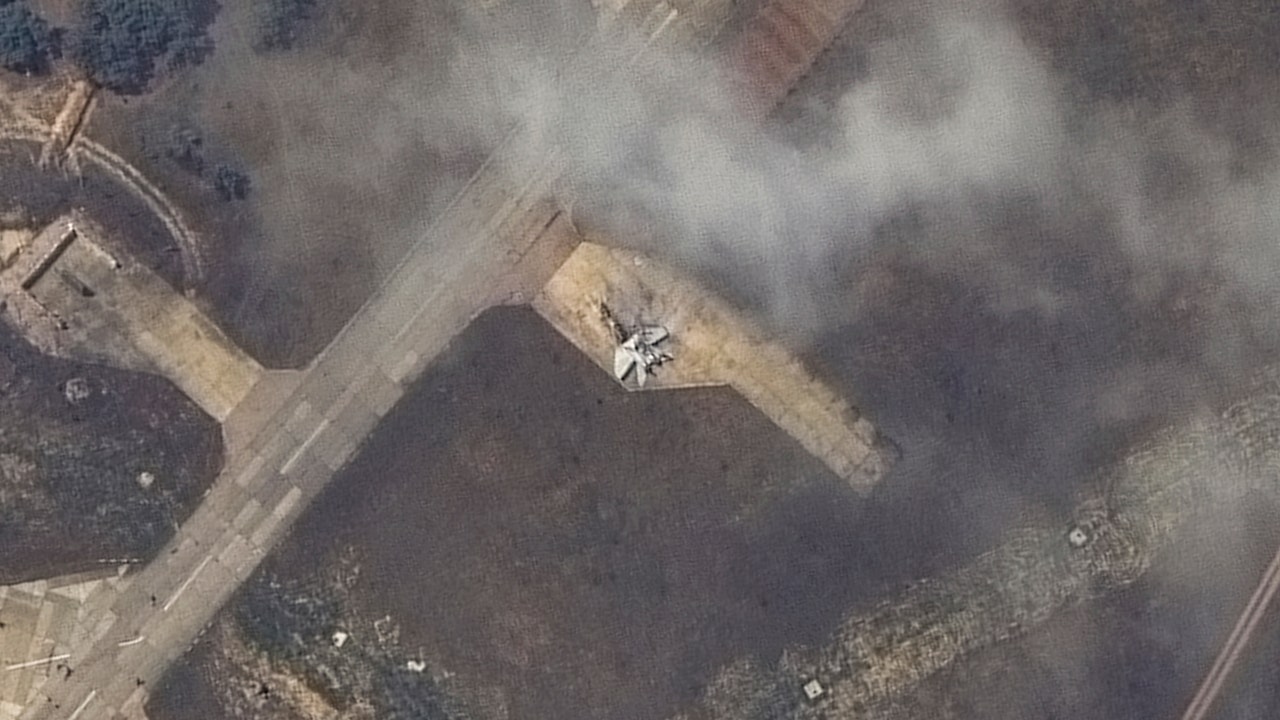
Key trends to watch:
- Swarm Tactics: The use of 60+ drones in a single wave forces air defense networks to exhaust their expensive interceptor missiles on relatively cheap targets.
- Infrastructure Vulnerability: Oil refineries and energy grids are becoming primary targets, as these strikes directly impact the national economy and domestic morale.
- Communications Blackouts: As noted by regional authorities, mobile internet disruption is becoming a standard side effect of active air defense, further isolating urban centers during attacks.
The Future of Urban Air Defense
As drone technology continues to evolve, cities worldwide will need to rethink their security architecture. Traditional radar systems, designed to detect large, fast-moving aircraft, are often ill-equipped to track swarms of slow, low-flying, and radar-absorbent small drones.
Future urban defense will likely rely on Directed Energy Weapons (DEWs)—such as high-powered lasers or microwave emitters—that can neutralize drone swarms at a fraction of the cost of traditional missiles. However, the deployment of these technologies in densely populated areas remains a significant regulatory and safety challenge.
Did you know?
The cost of a modern military-grade interceptor missile can reach millions of dollars, while a mass-produced, long-range surveillance or kamikaze drone can cost as little as a few thousand dollars. This 1000:1 cost ratio is the primary driver behind the current surge in drone-based attacks.
Geopolitical Implications of “Putins Davos”
The participation of international delegations in forums like SPIEF, despite the ongoing security volatility, suggests that global powers are attempting to maintain diplomatic and economic channels even amidst intense conflict. However, the reality on the ground—characterized by civilian casualties and widespread infrastructure threats—makes the prospect of long-term stability increasingly fragile.
Frequently Asked Questions (FAQ)
- Why are drones so effective against modern air defense?
- Drones fly low, have a small radar signature, and are inexpensive. When deployed in swarms, they overwhelm the tracking and processing capabilities of traditional air defense systems.
- How do drone attacks impact civilian life?
- Beyond direct physical danger, these attacks cause infrastructure strain, including internet outages, power grid fluctuations, and psychological stress, which are key components of modern hybrid warfare.
- What is the next phase of drone technology?
- The integration of AI for autonomous target recognition and swarm coordination without human intervention is the next frontier, significantly increasing the speed and complexity of defensive responses.
Stay informed on the shifting geopolitical landscape. Subscribe to our weekly newsletter for deep-dive analysis on global security trends and emerging defense technologies. Have thoughts on how drone warfare will change the next decade? Share your perspective in the comments below.